Creative work: collaborative portraits
The below online galleries share work made by the group, Wellcome Collection project staff, and myself during our time together on LGBTQ+ Gynae Stories between 2024 and 2026. The work is powerful: the aim is to raise awareness of the group members’ own lived experiences and what we’ve been discussing over the last two years of this project.
Content advisory. Please note that the following work and words include references to:
discussions of menopause symptoms with clinicians
surgery (various, including transition, hysterectomy, debulking)
loneliness
sexual pleasure
post-operative scaring
gynaecological cancer
themes of personal identity, vulnerability, mistreatment, NHS (and other individual and organisational) judgemental attitudes.
Bringing my creative practice into the project and taking inspiration from portraits of our Queer Gynae Pioneers, I wanted to create a series of new portraits with our group members. As the below examples show, we’re currently in the process of editing these and making decisions about how to present them. These are powerful images that sit alongside the group member’s own work and reflects their presence within the project. I worked collaboratively with each group member to make sure we conveyed their individuality and lived experience in each image. We’ll share the final versions of these portraits on this page later in the year.
In case you’d like to understand more about why this project is so important, read our piece about LGBTQ+ gynae inequities.
Below photography credit: Marge
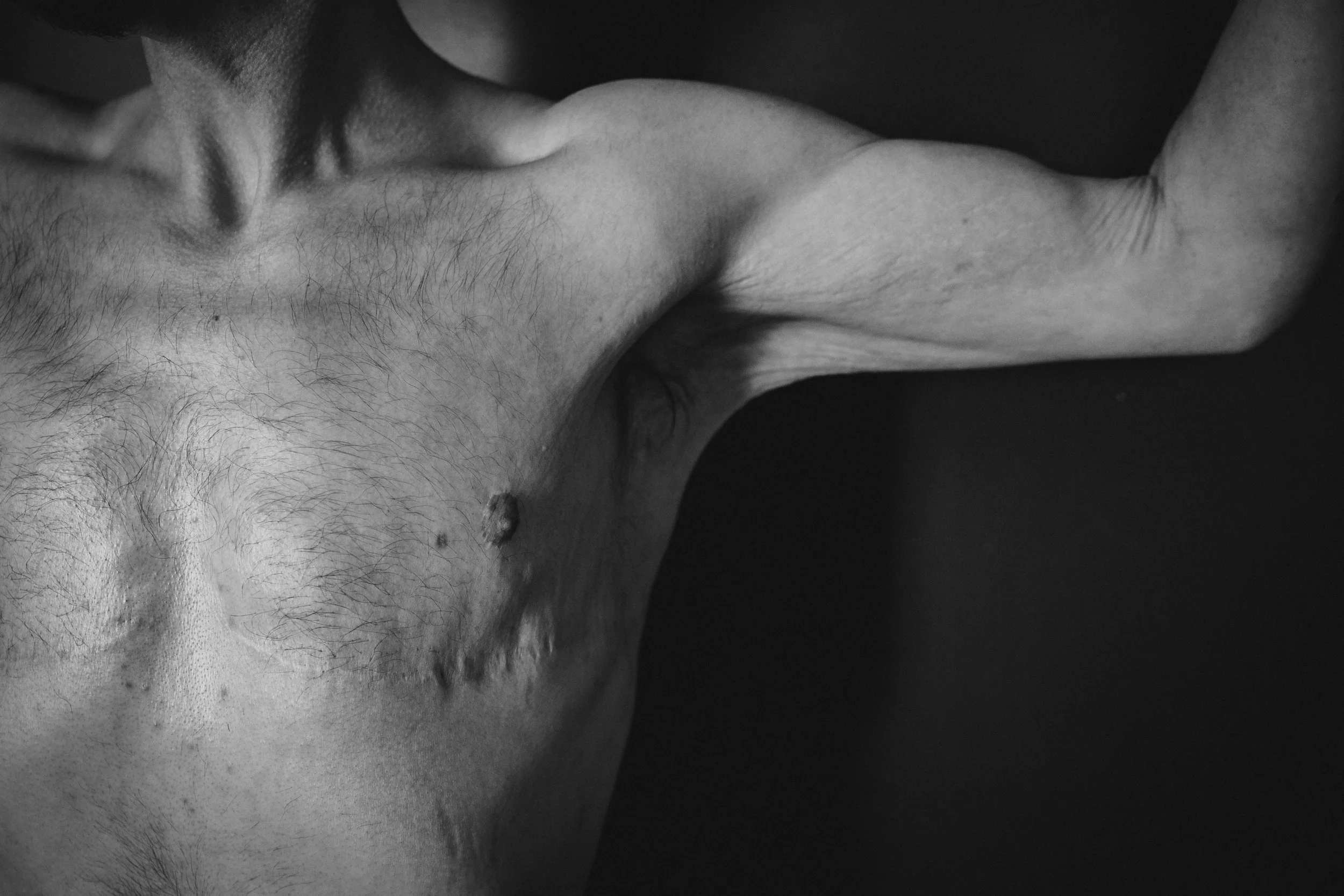
Portrait of Alex by Marge
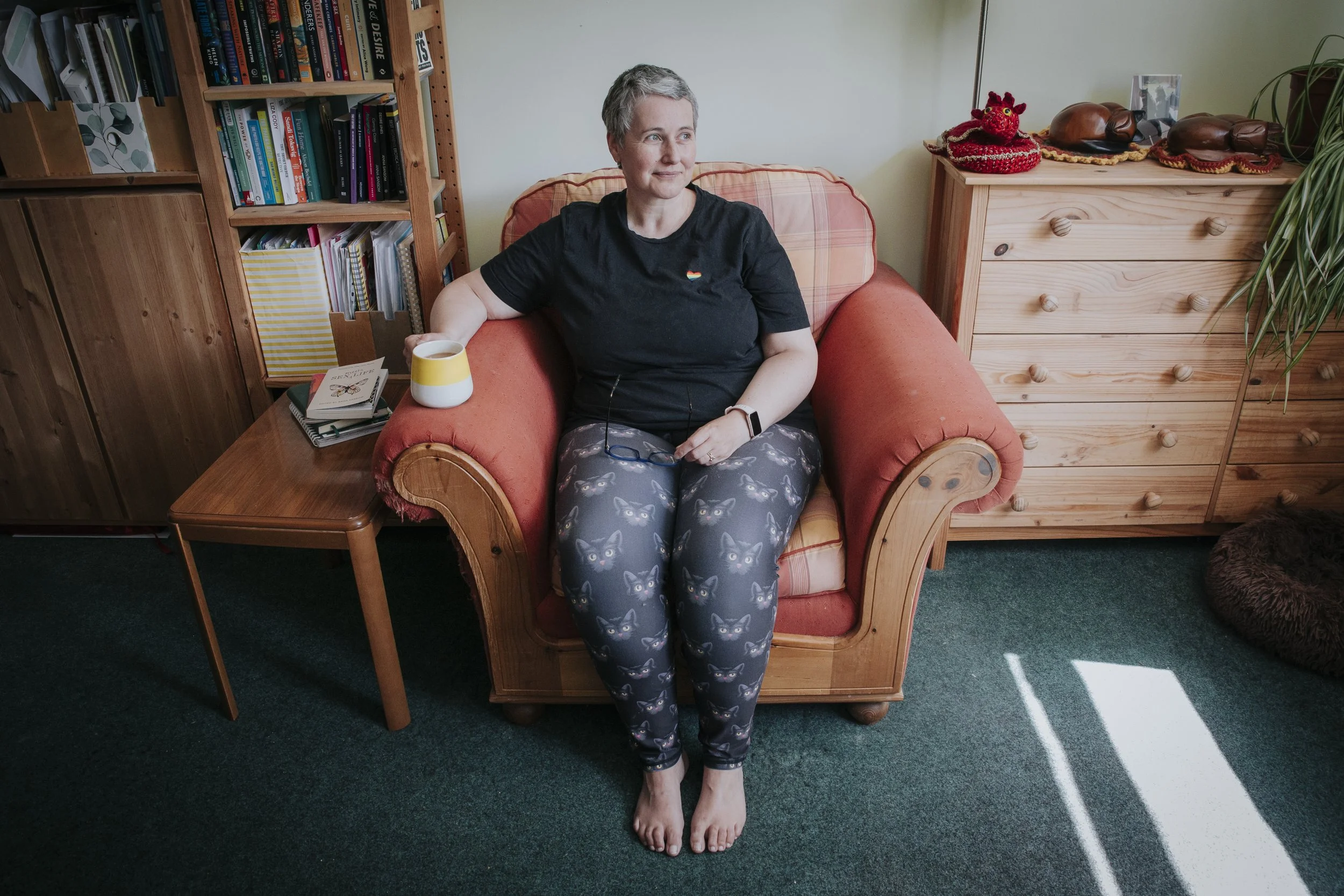
Portrait of Anna Sansom by Marge
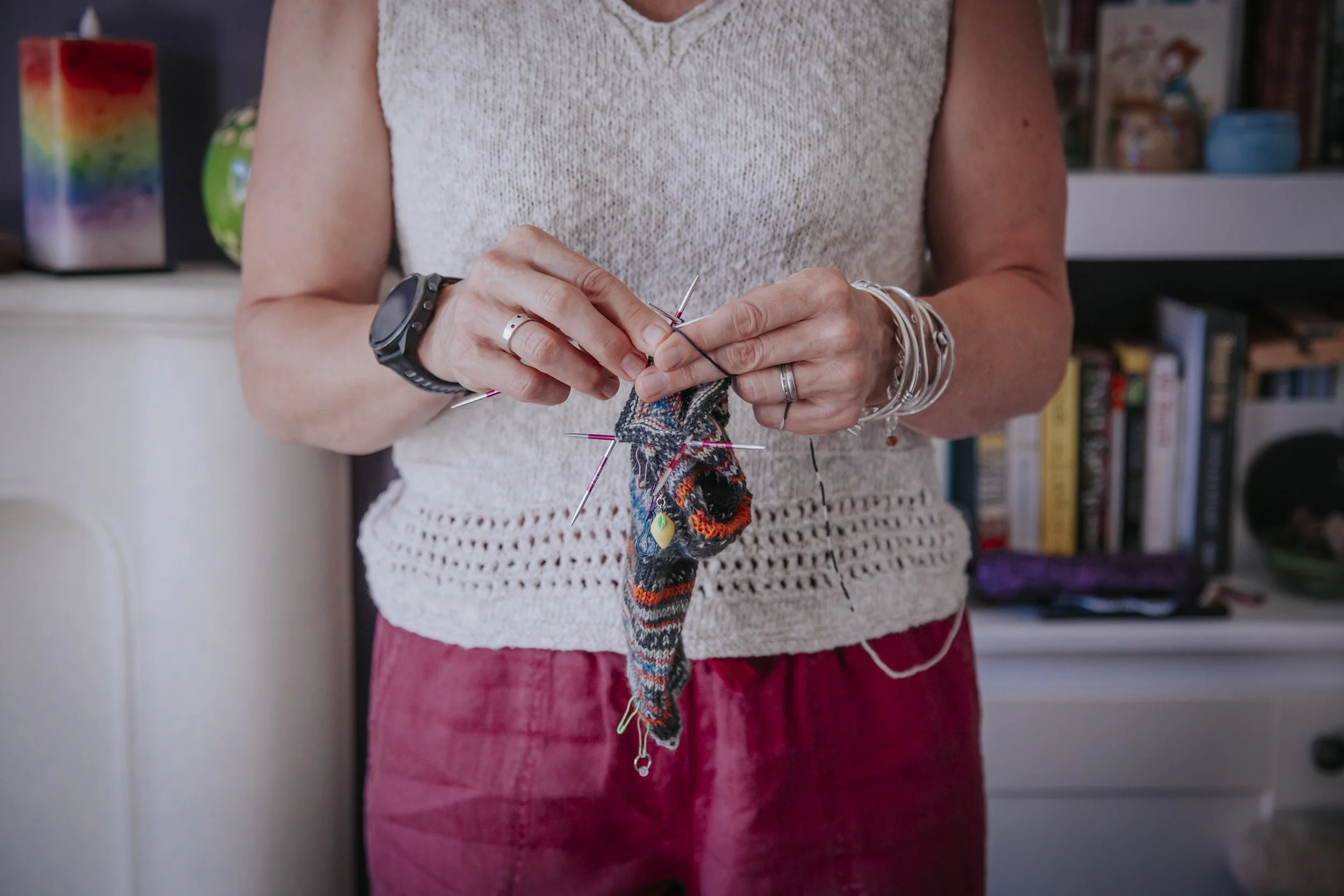
Portrait of Sarah Martin by Marge
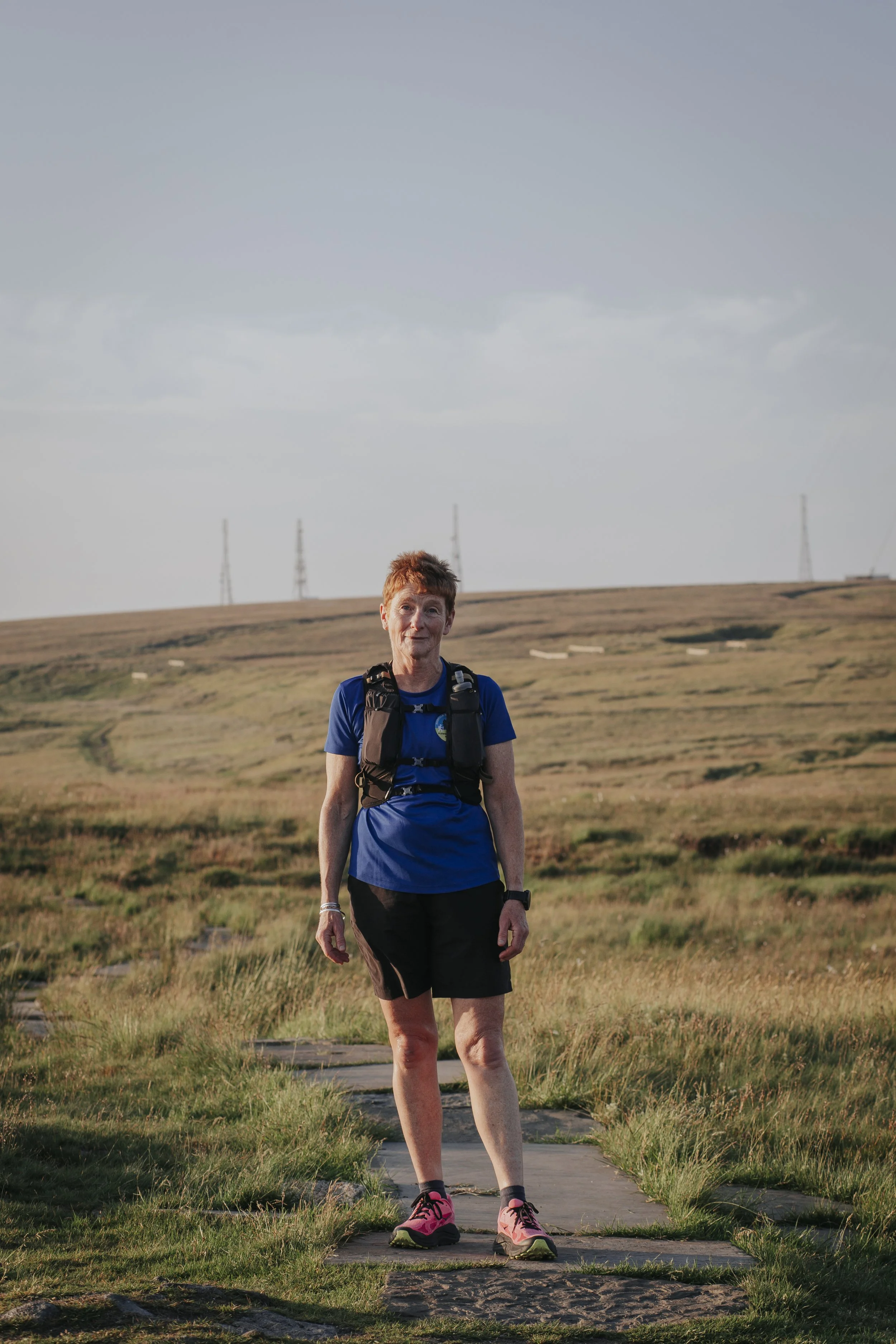
Portrait of Paula Dalziel by Marge
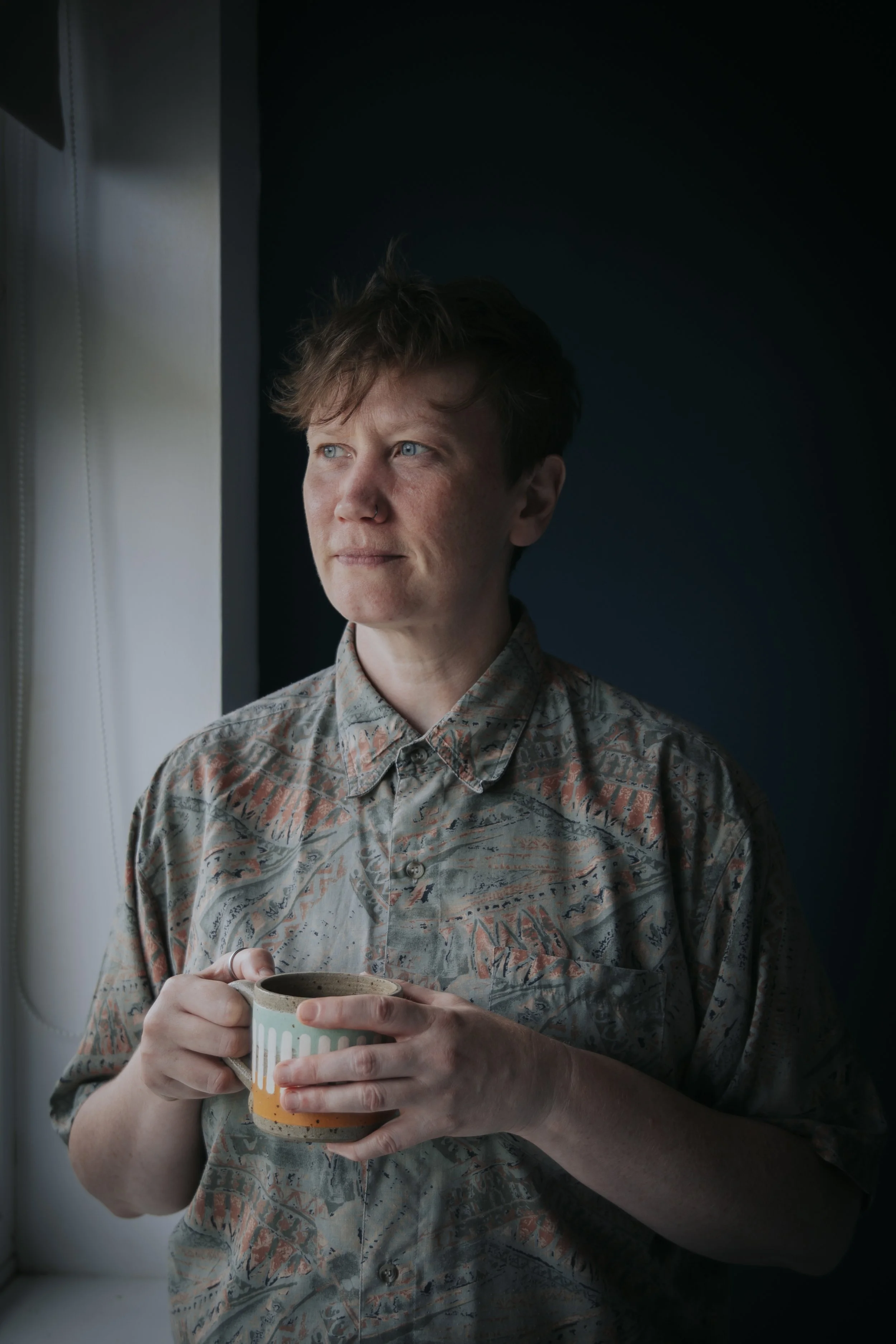
Portrait of Kate Hardy by Marge
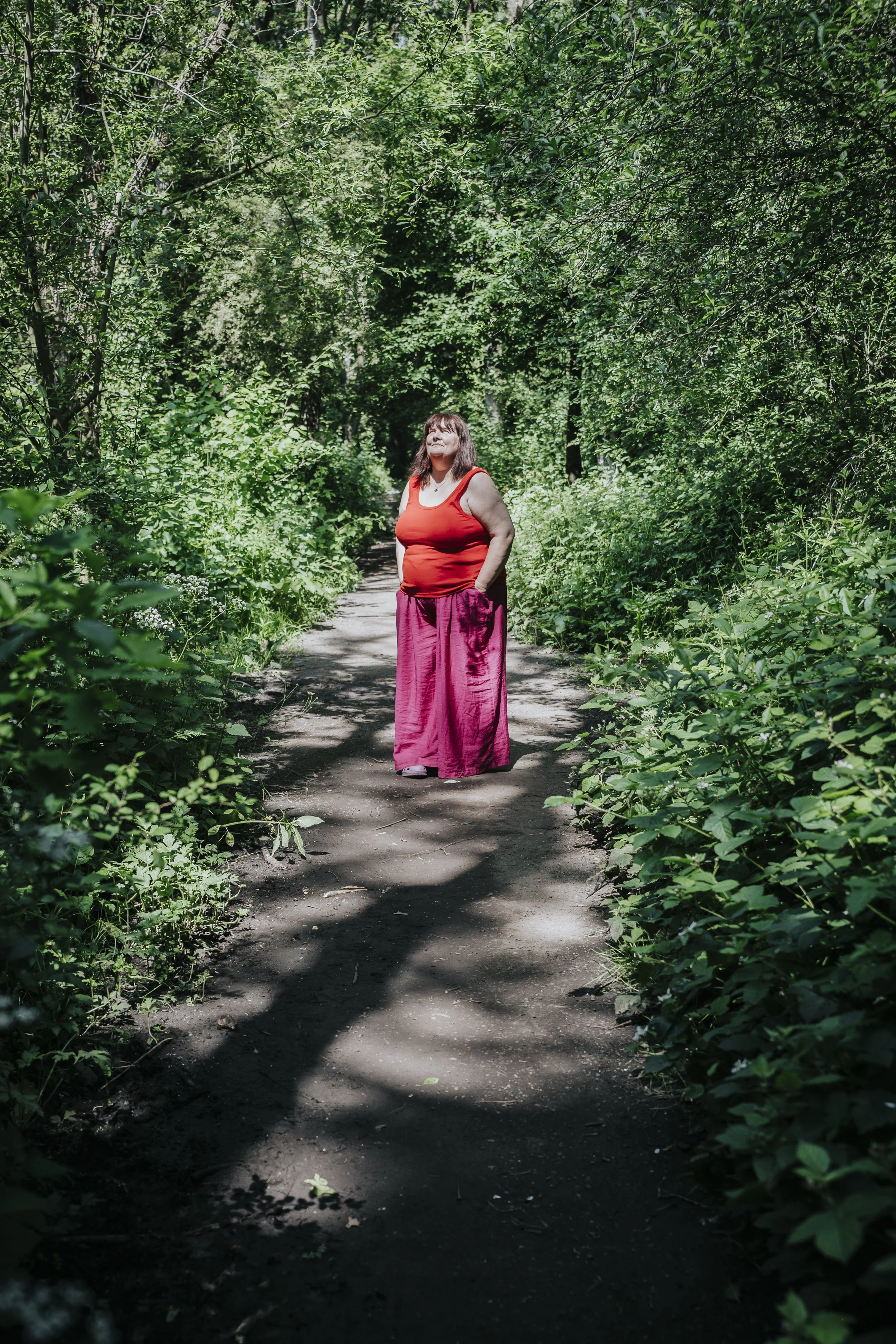
Portrait of Anastasia Hesketh by Marge
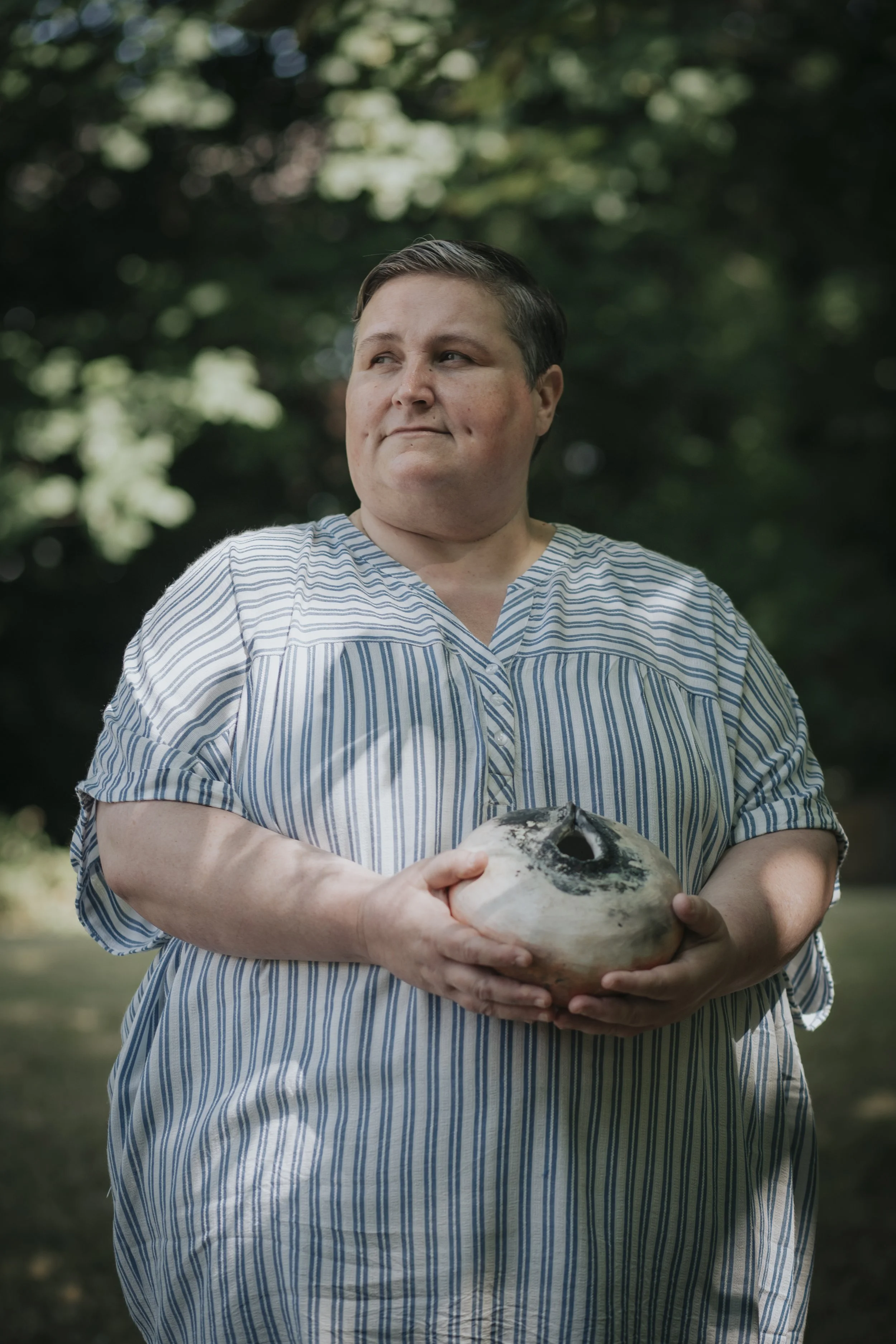
Portrait of Sarah-Jane by Marge
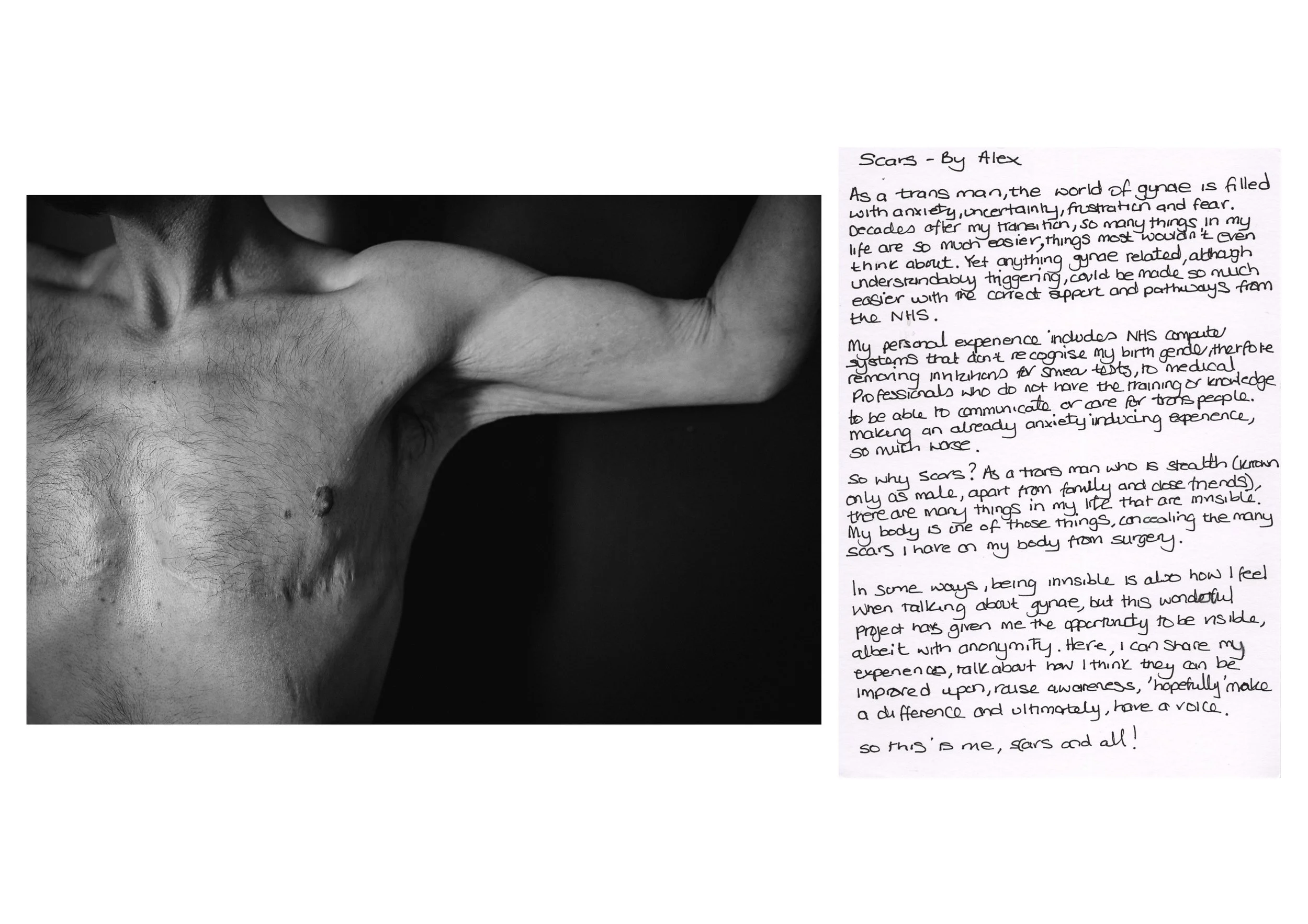
Portrait of Alex by Marge, along with Alex's words
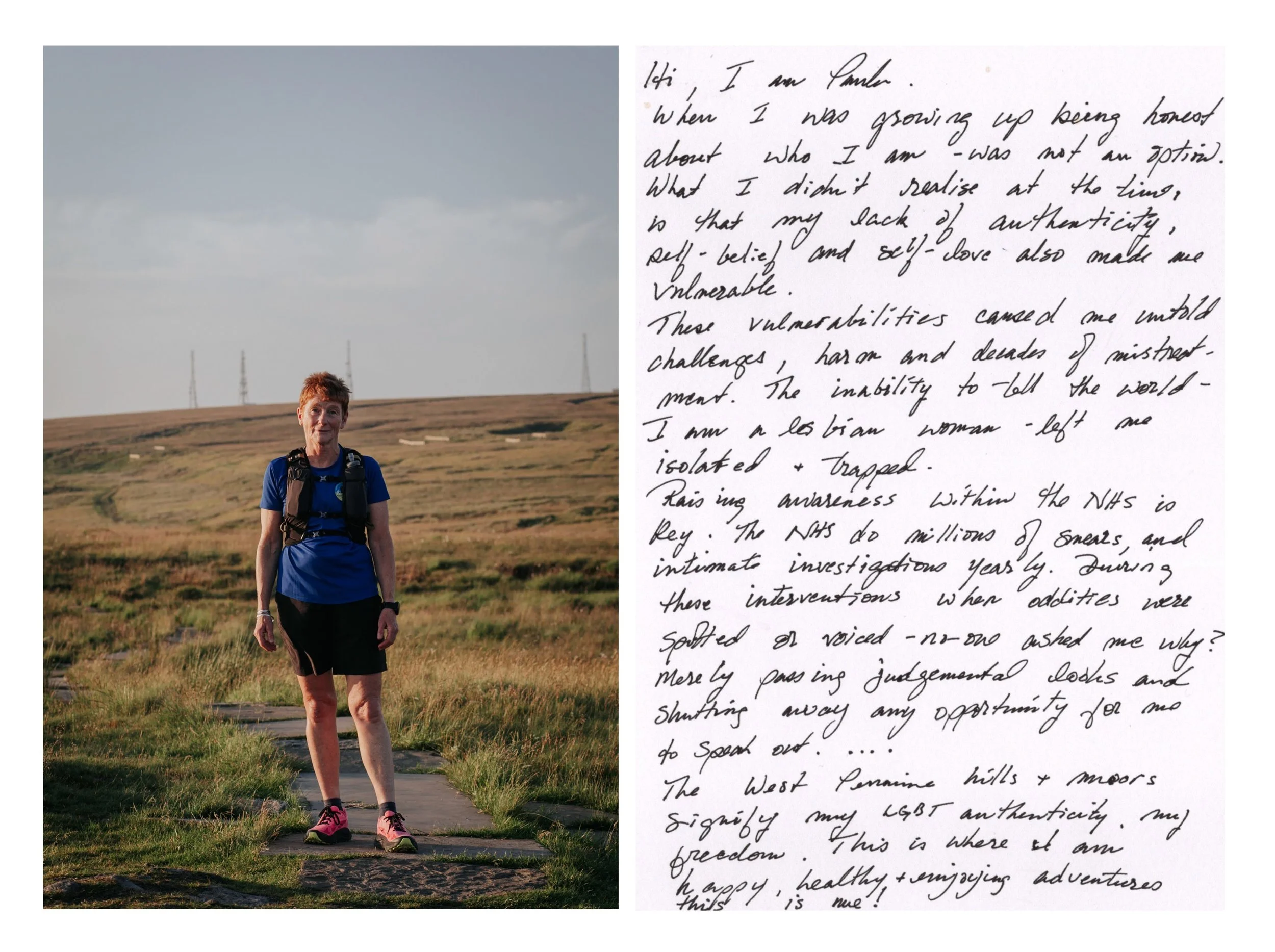
Portrait of Paula Dalziel by Marge, along with Paula's words
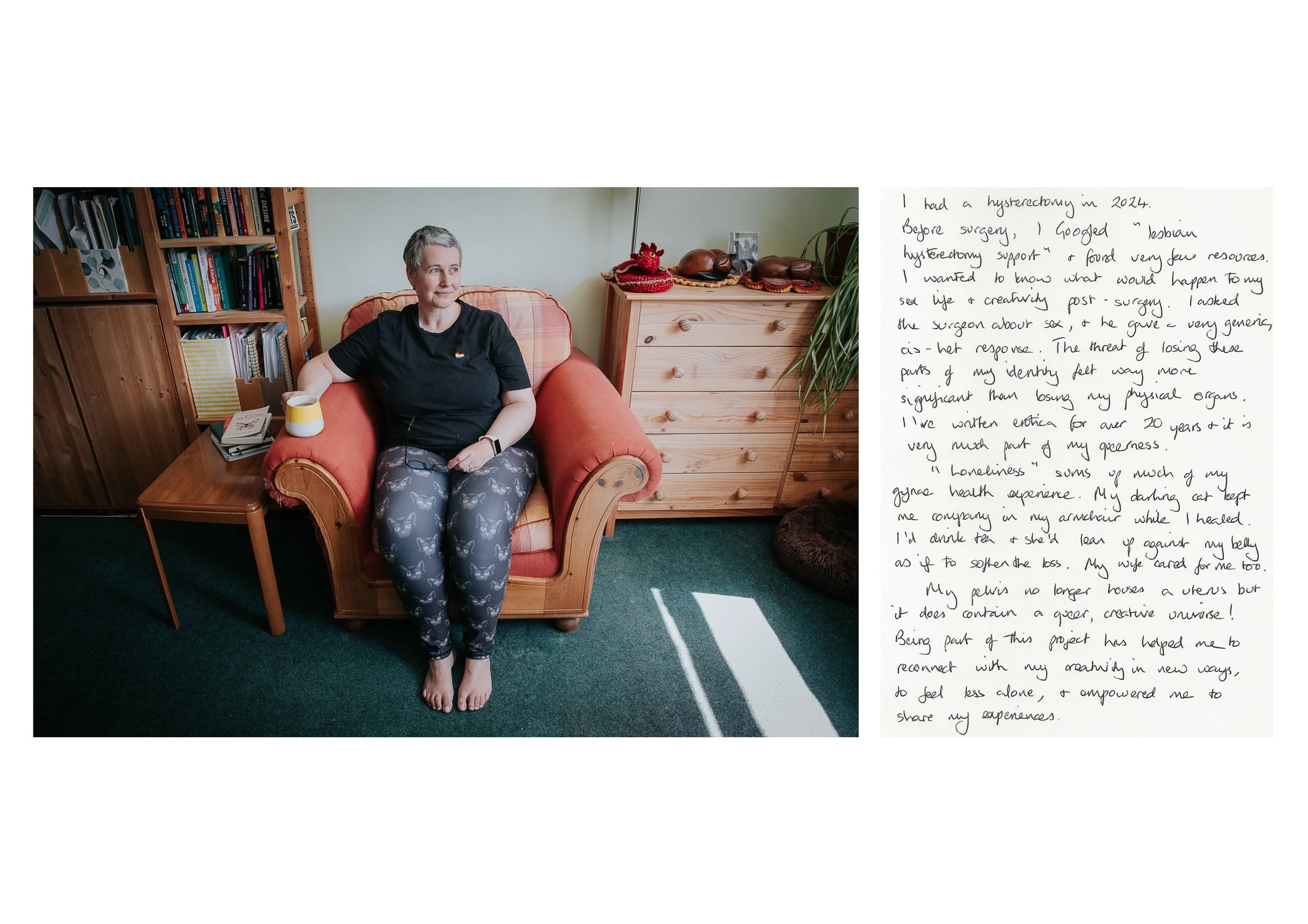
Portrait of Anna Sansom by Marge, along with Anna's words
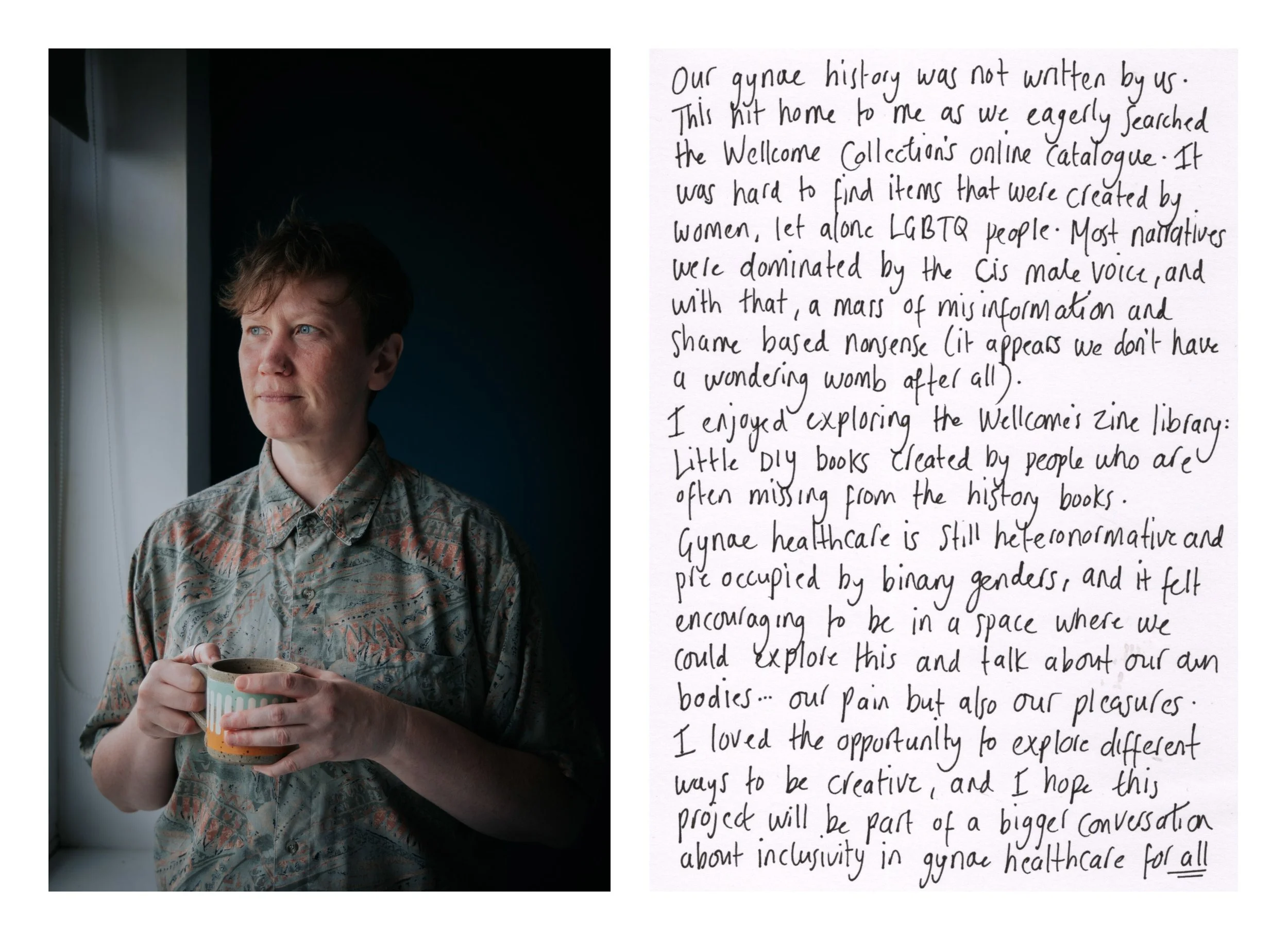
Portrait of Kate Hardy by Marge, along with Kate's words
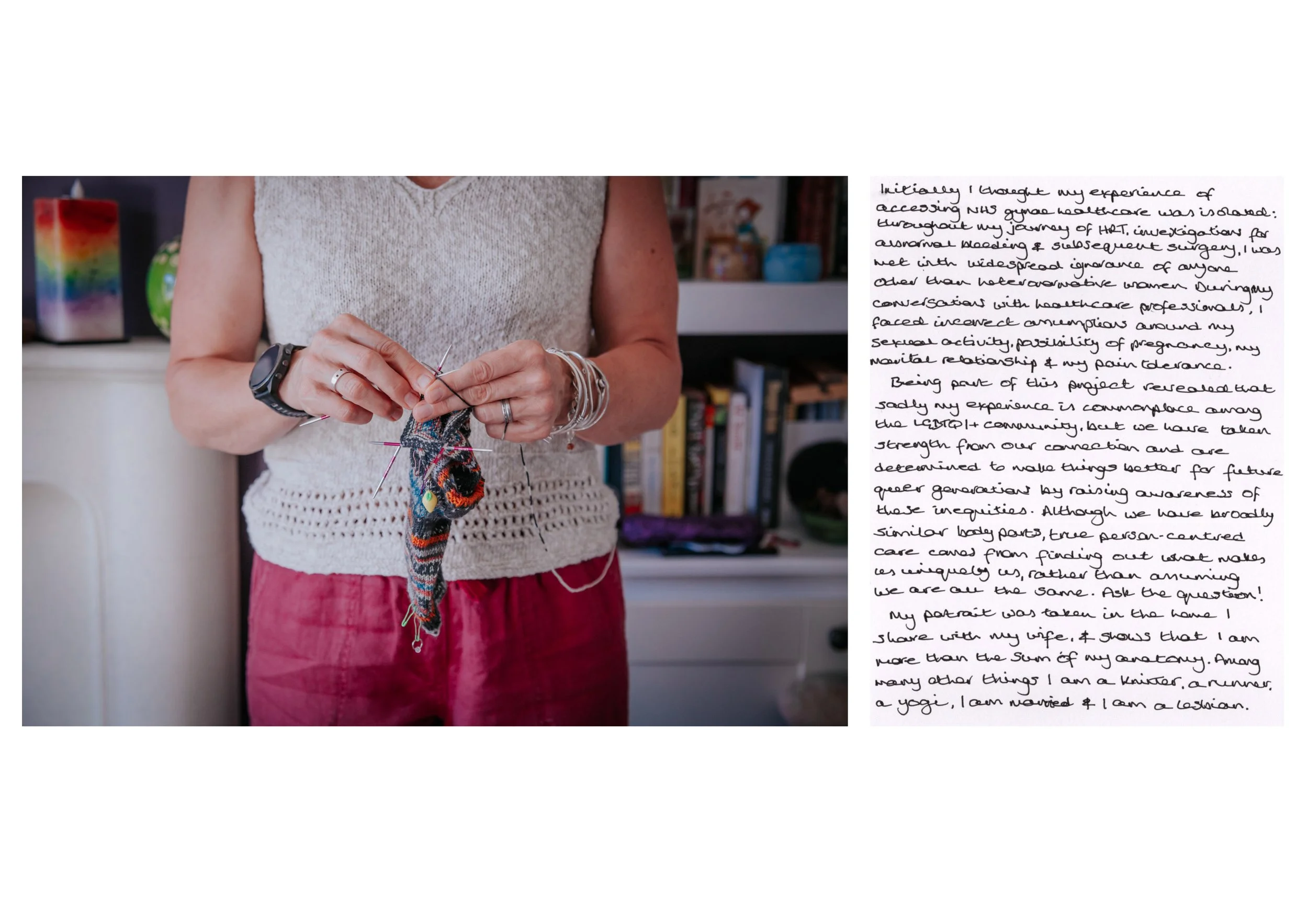
Portrait of Sarah Martin by Marge, along with Sarah's words
Creative work: votives, led by associate ceramicist Bev Meyer
Inspired by our research into the Wellcome Collection’s votives, we created our own votive pieces under the tuition of ceramicist Bev Meyer. Throughout this project I’ve become increasingly interested in how images and mark making can inclusively share stories, and so it felt fitting to bring Bev into the project with her experience (see project blogs one and two for more about the process).
Drawing on the group member’s lived experience, what LGBTQ+ gynae health means to them individually, and the conversations we’ve had whilst exploring the Wellcome Collection, everyone designed and made their own votives. Although we all made something different, the initial idea was to make our pieces roughly the same size - so that they could be collectively displayed as one coherent piece. Sarah-Jane made palm-sized votives but also wanted to produce something different. So she worked with Bev over several extra sessions to realise her idea of creating a series of ‘Giant Endometrioid Epithelial Ovarian Carcinoma’ votives. You can see some of her votives below, and read the background to the pieces in this artwork in focus blog piece.
I wanted to work with Bev as she takes a sustatinable approach to her practice. This was important to me and aligned with my commitment to green freelancing and the climate emergency.
“Sustainability is a key consideration in every project I undertake, and I always aim to make my ceramic practice as environmentally responsible as possible. Within ceramics, this can take many forms, including firing at lower temperatures, exploring unfired work, sourcing locally available natural materials such as clay and wood ash for glazes, recycling unused clay, minimising water use during making, and using renewable energy wherever possible. My studio is powered in part by solar panels, which contribute to the electricity used to fire my kiln, helping to reduce the environmental impact of the firing process. This project was no exception. My initial intention was to source clay locally. However, the naturally occurring clay around Manchester is predominantly terracotta, which is not well suited to raku firing and does not showcase the rich colours and tonal variations created by metal oxides in saggar firing. It also matures at a lower temperature, making it less suitable for the firing methods used in this project, and I was concerned that it would be more prone to cracking during firing. Saggar firing was chosen because it aligns well with my sustainable approach. The work is first bisque fired at a relatively low temperature before being wrapped in natural combustible materials such as dried plants and fruit skins, with small amounts of powdered metal oxides added to create surface effects. This process avoids the need for conventional glazes, many of which contain significant quantities of processed or heavy metal materials. The wrapped pieces are then fired in a barrel using sustainably sourced wood, allowing the natural materials to create distinctive markings and colours on the ceramic surface. Alongside the saggar-fired work, we also explored raku firing. Like saggar firing, raku is a relatively low-temperature, rapid-firing process, helping to reduce overall energy use compared with higher-temperature ceramic techniques. At the end of the workshop, all remaining materials were either reused, recycled, or repurposed, ensuring that waste was kept to a minimum throughout the project.” (Bev Meyer)
Below photography credits: All photographs by Marge (with the exception of Vulva Shrines taken by Bev Meyer)
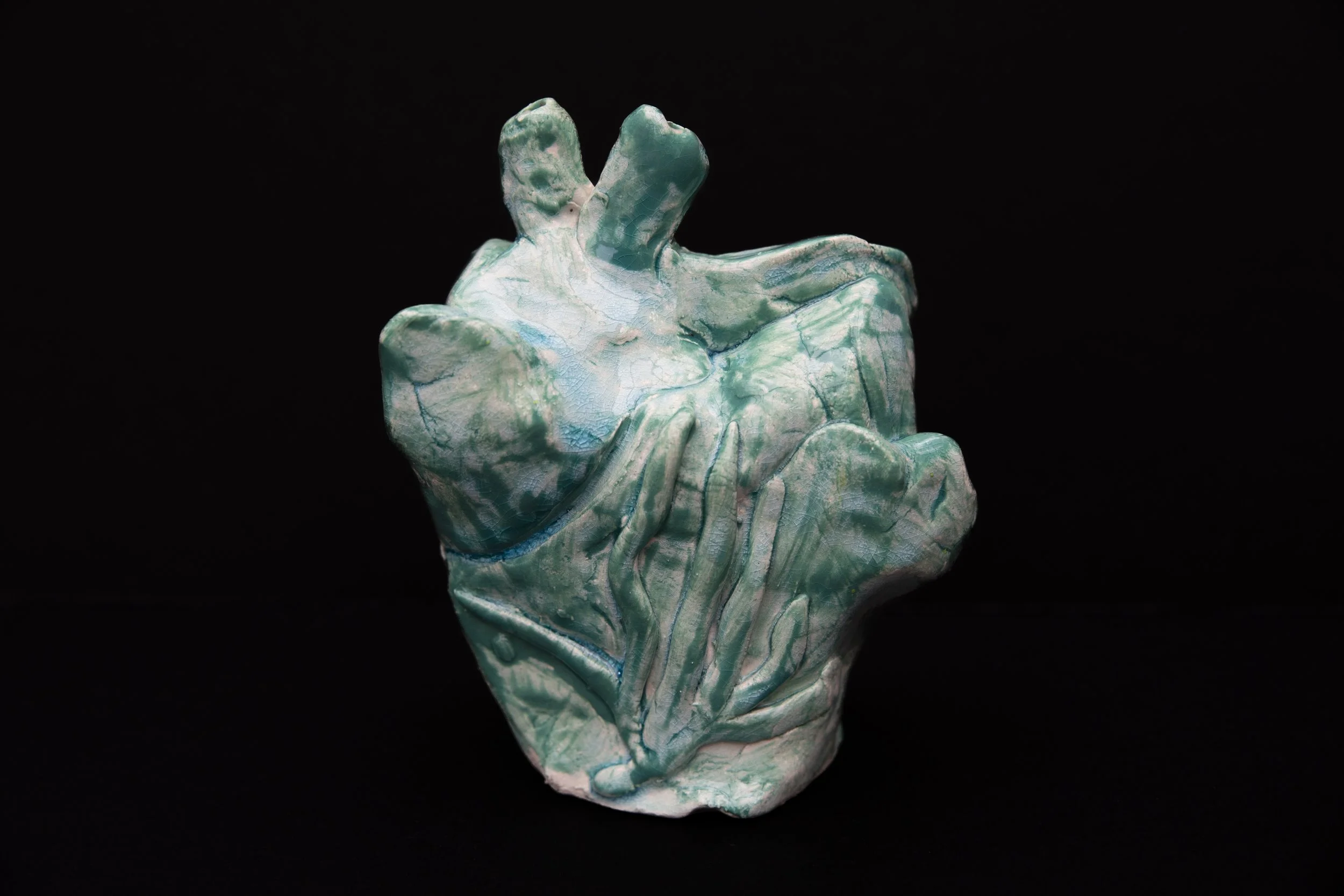
Work by Eris
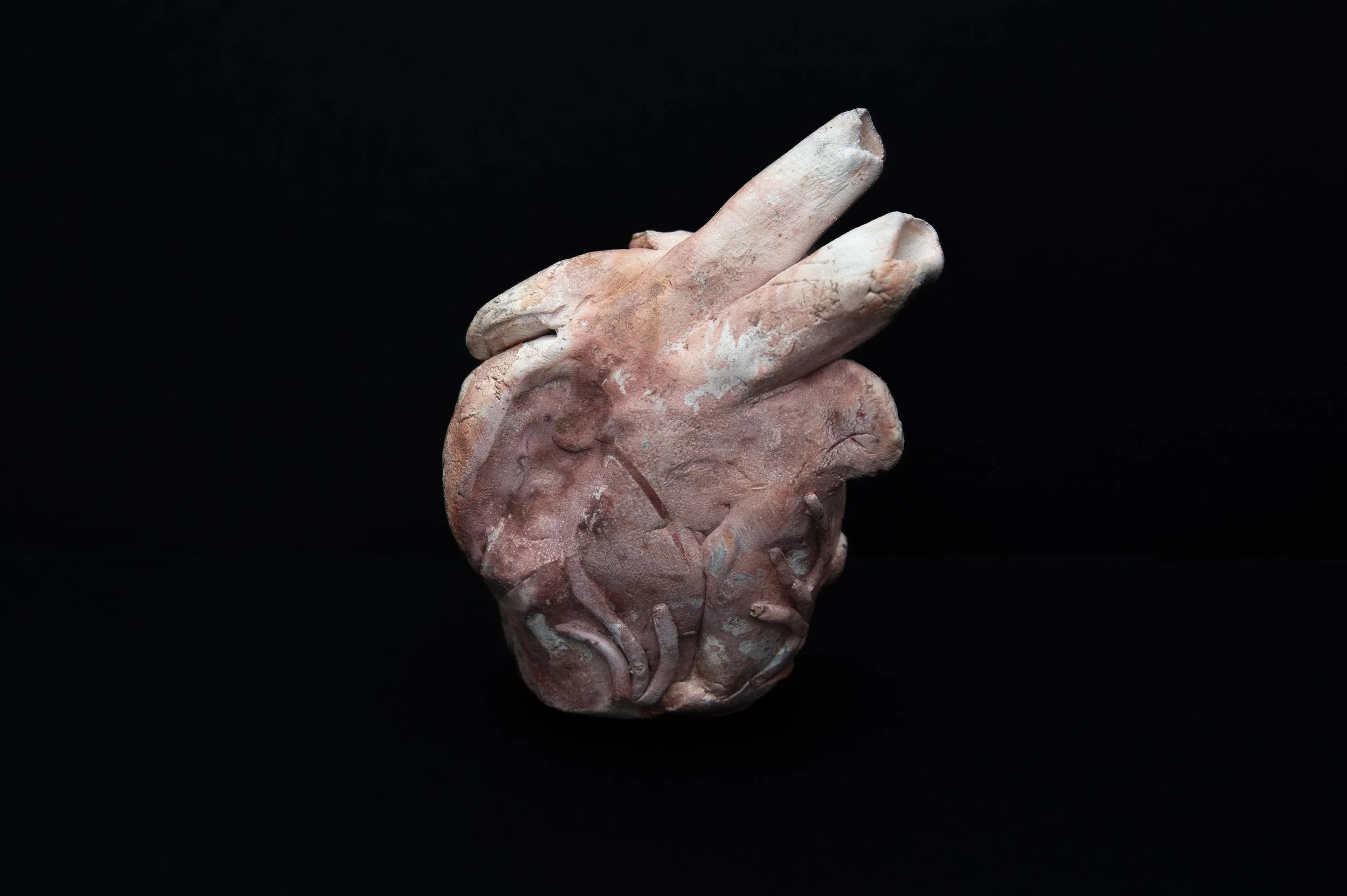
Work by Eris
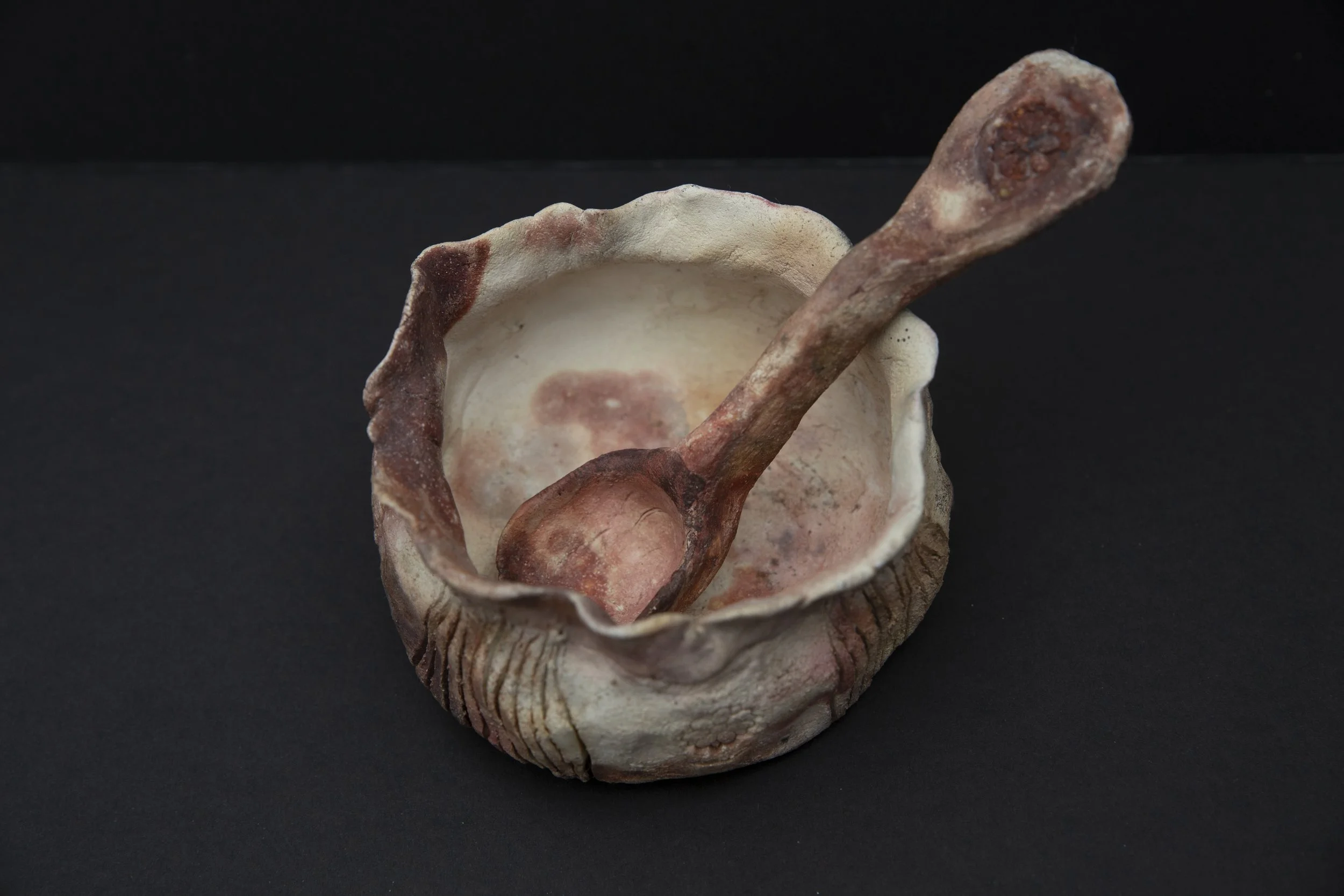
Work by Julia
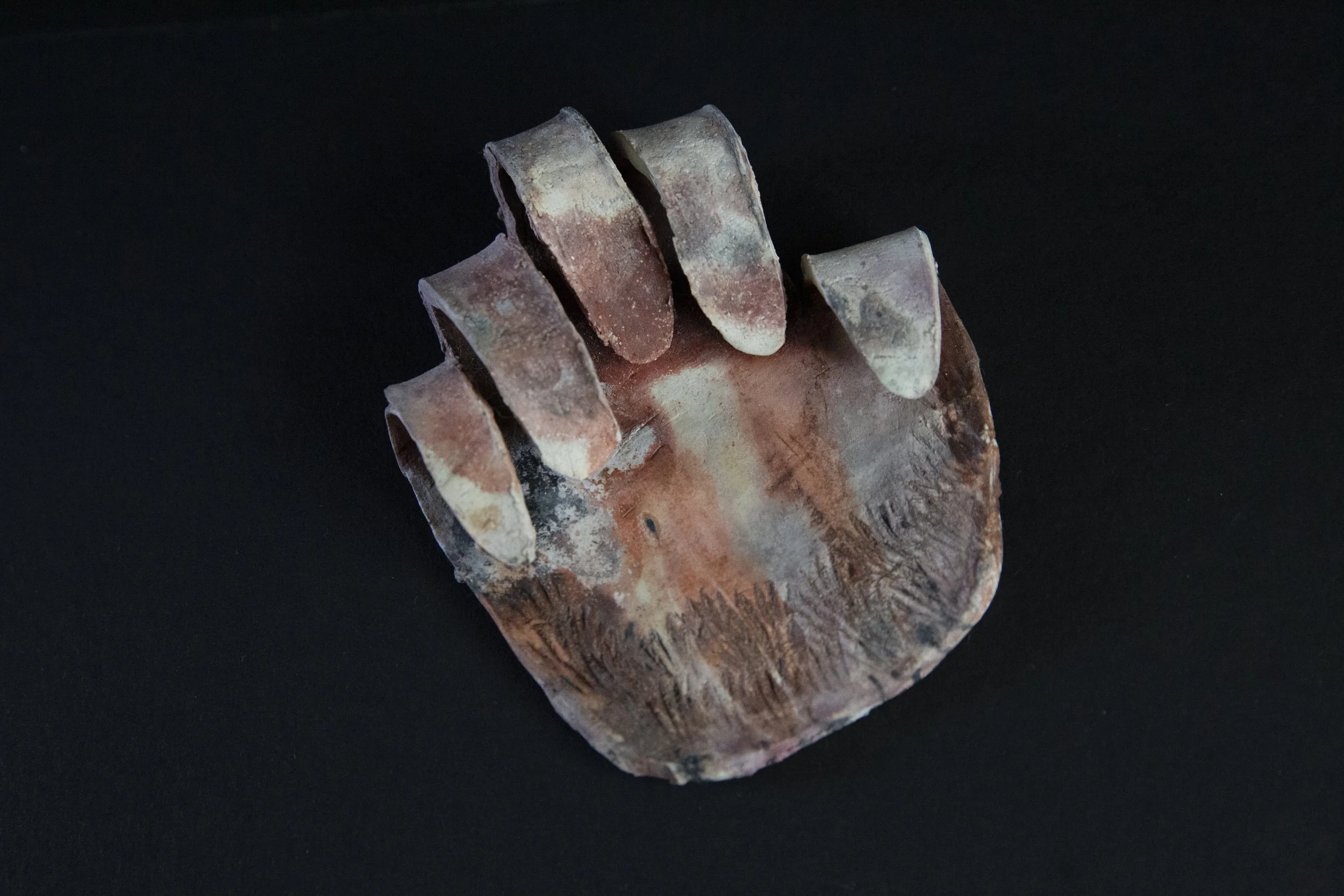
Work by Alex
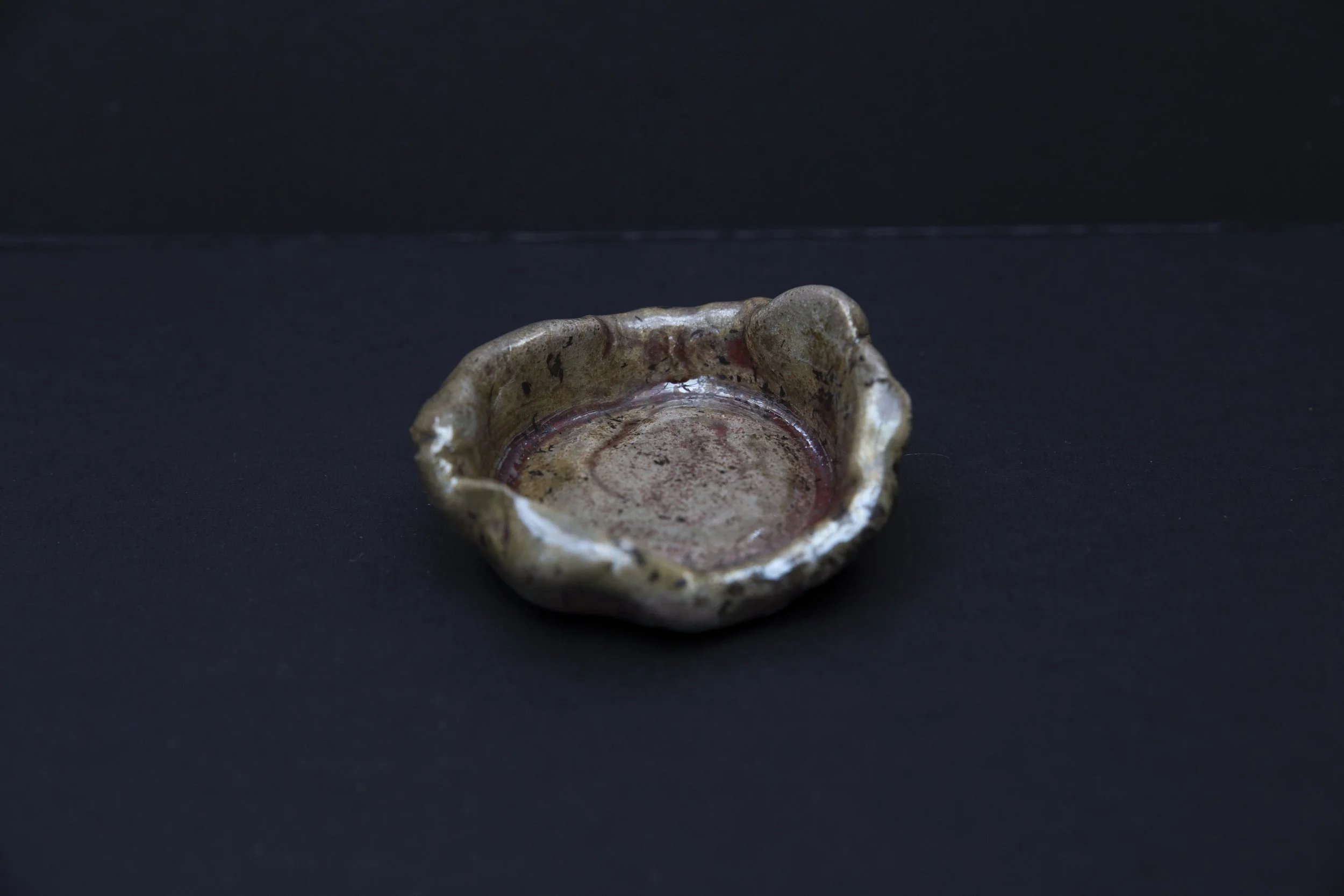
Work by Eris
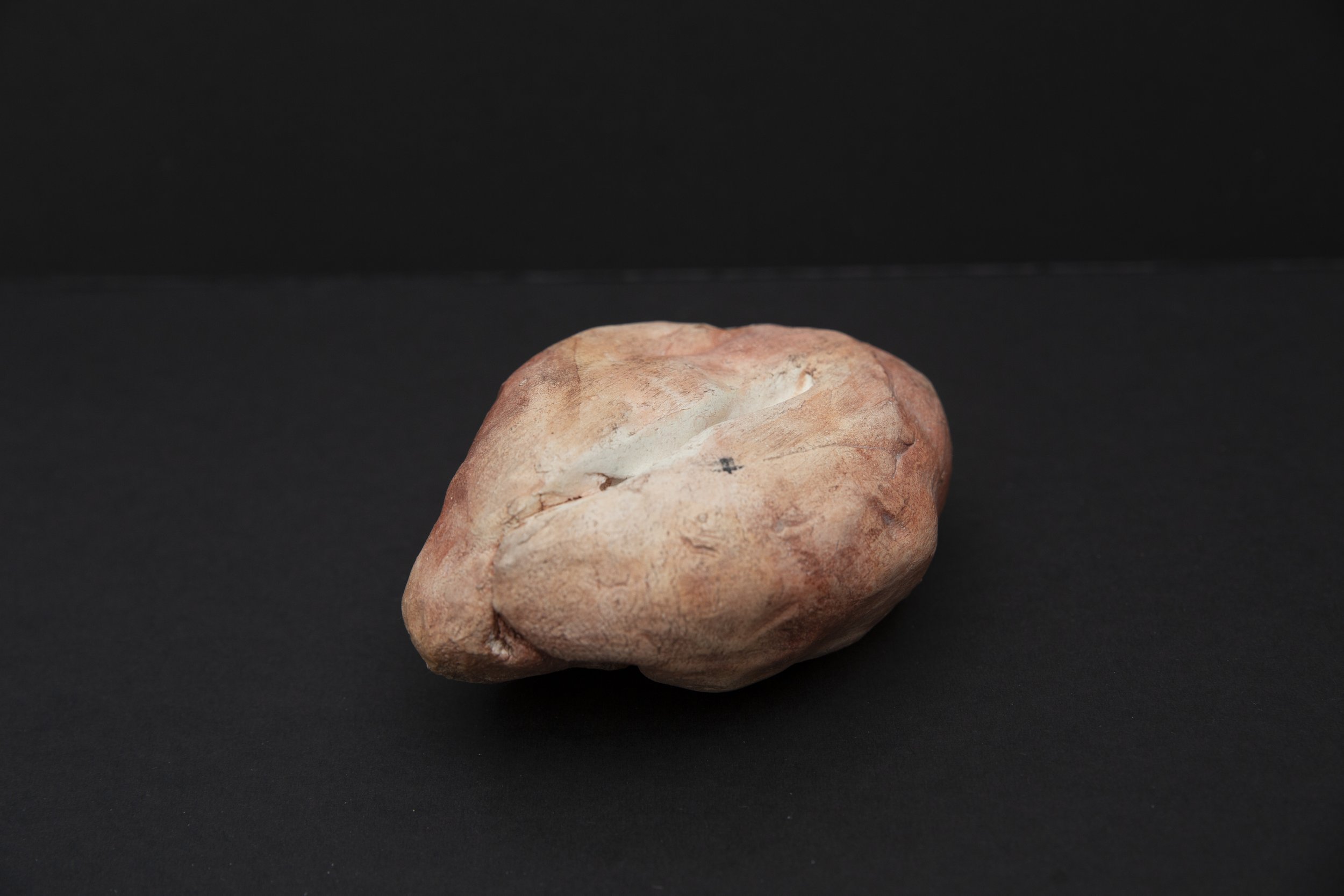
Work by Eris
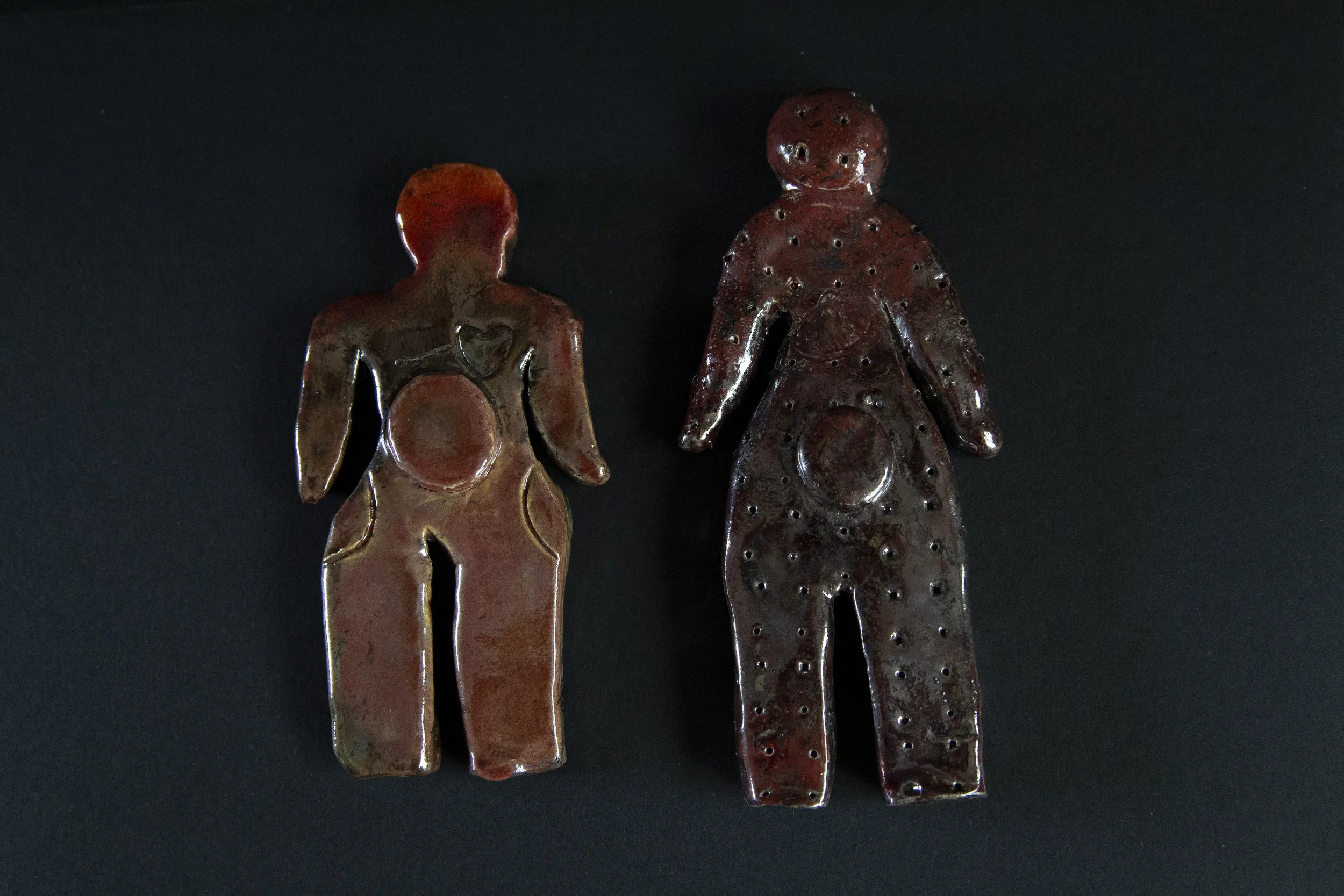
Work by Sarah Martin
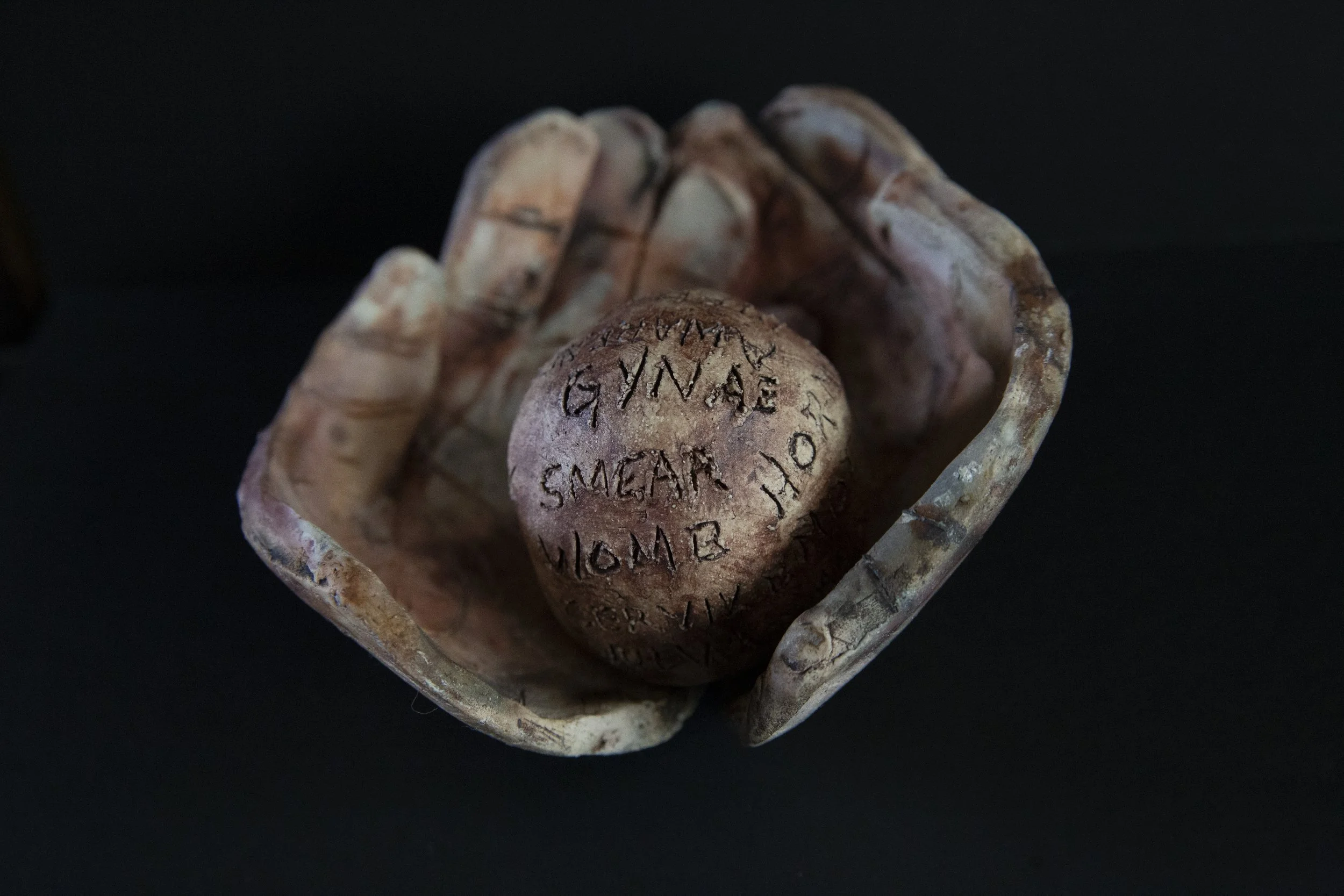
Work by Paula Dalziel
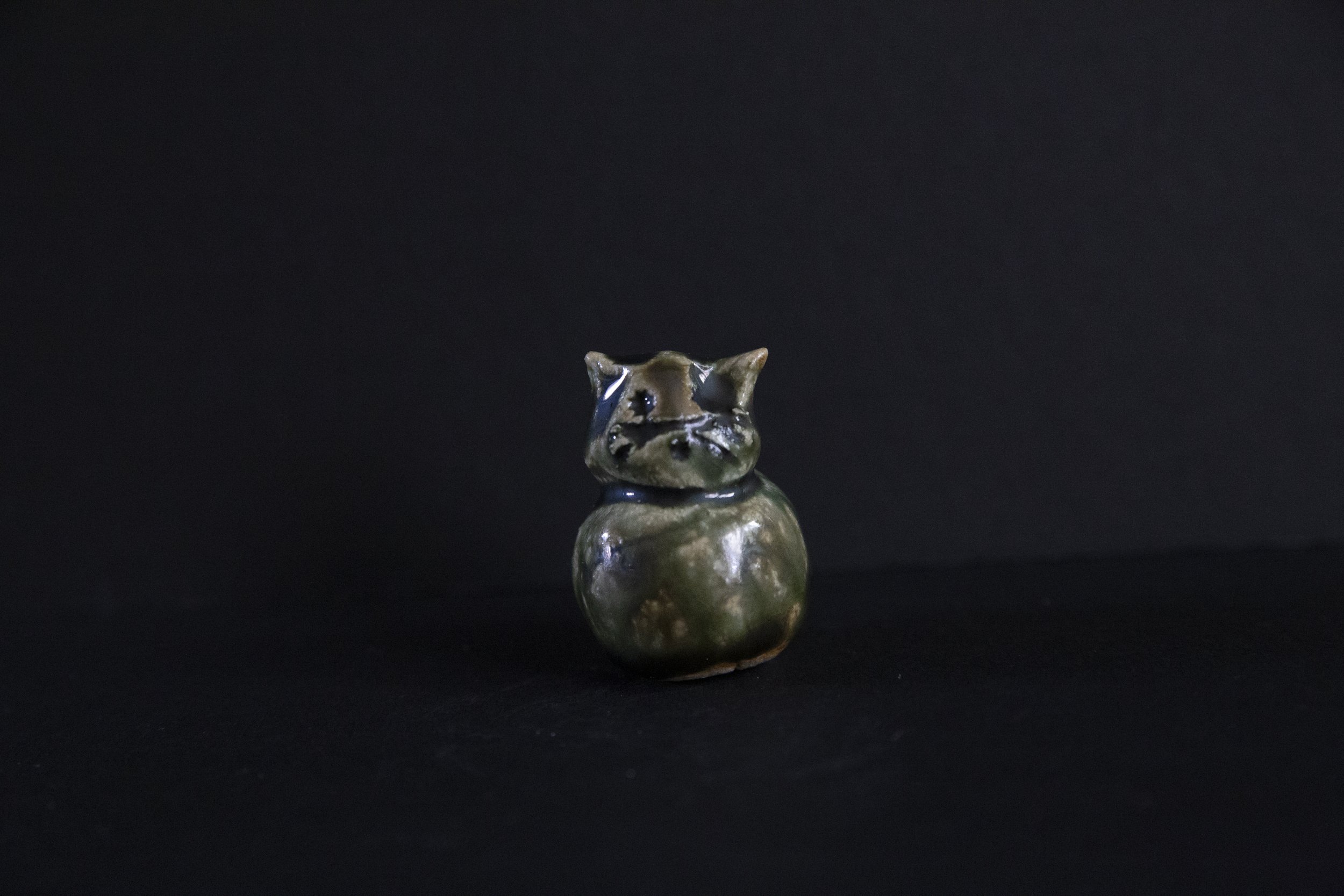
Work by Sarah Martin
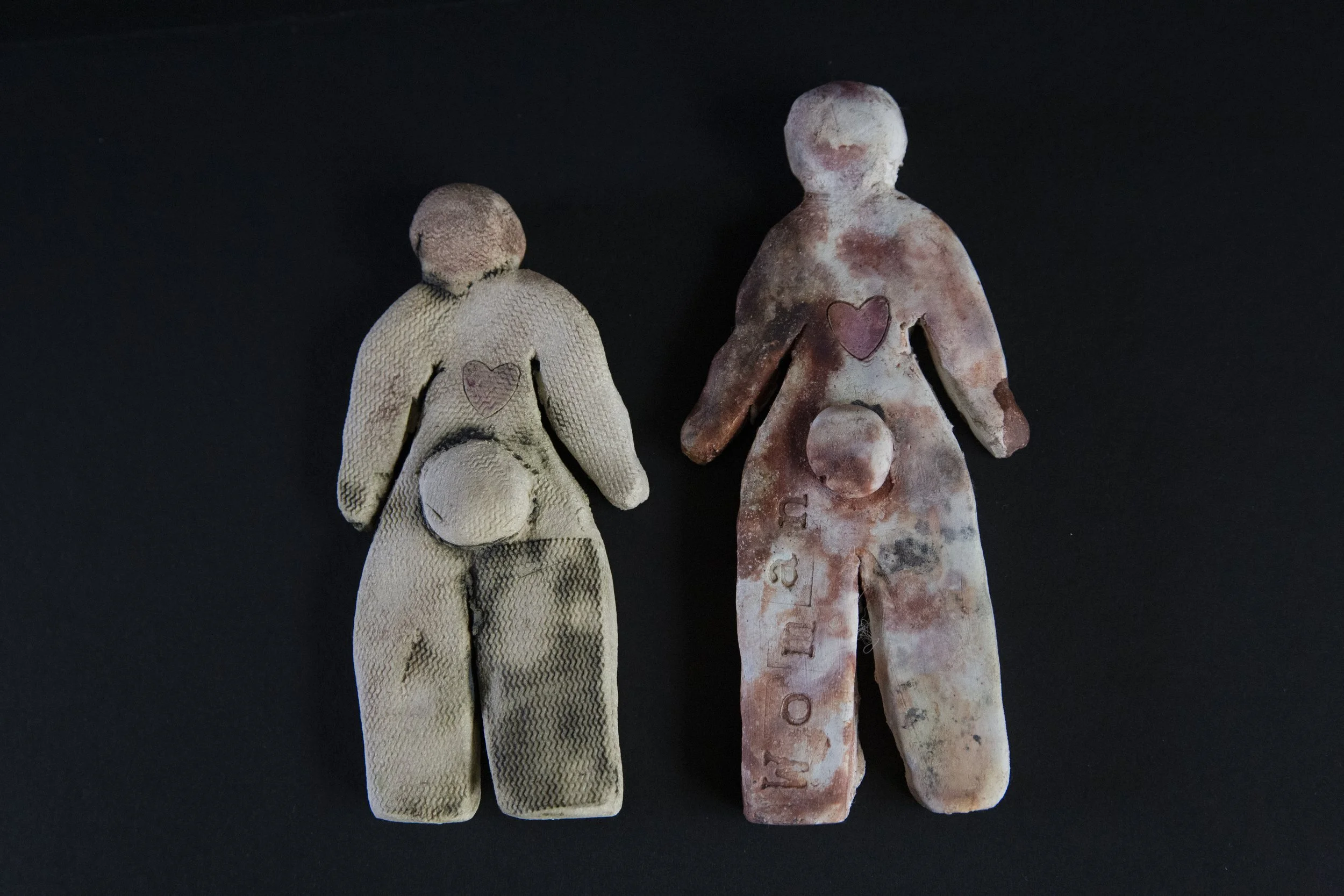
Work by Sarah Martin
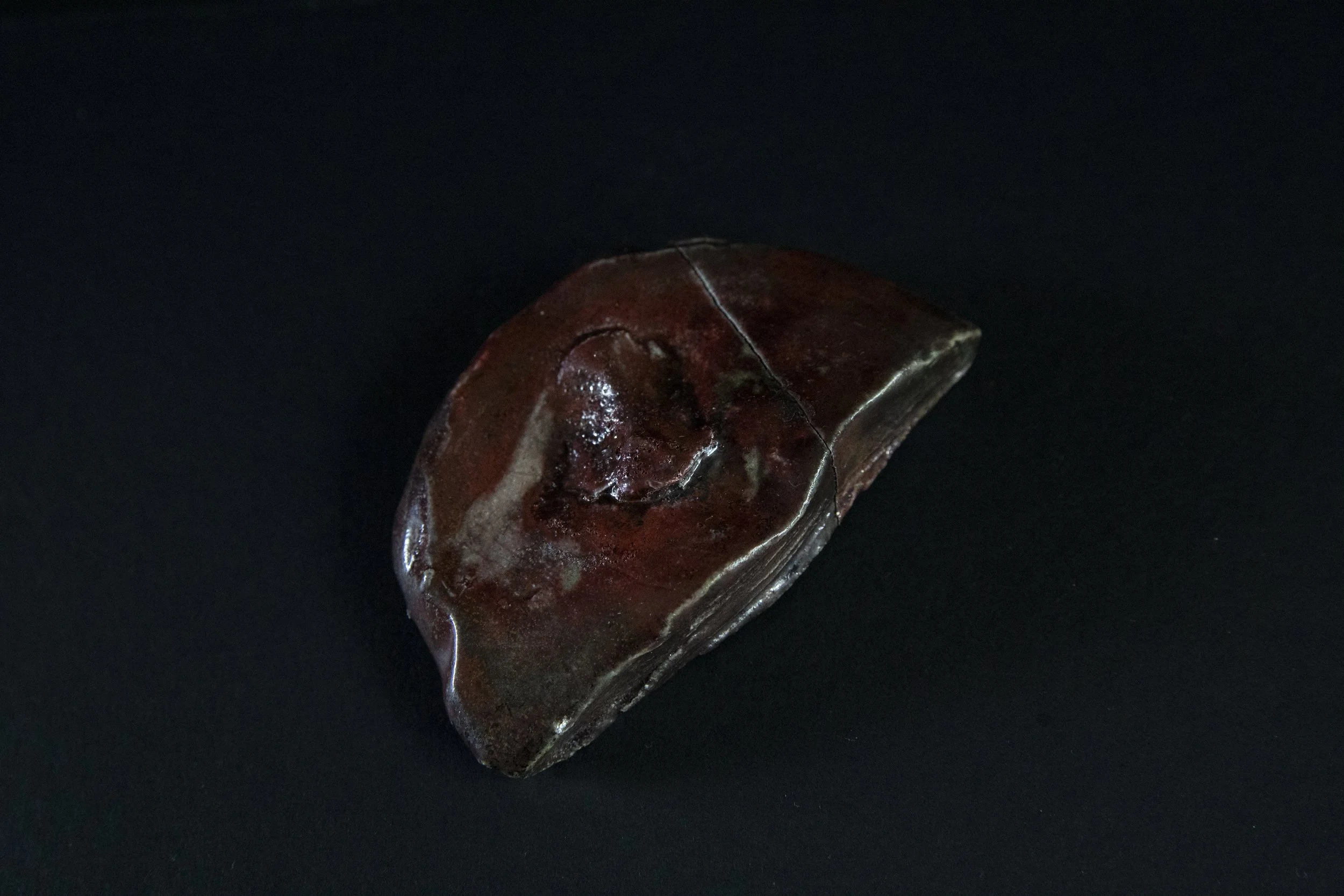
Work by Anastasia Hesketh
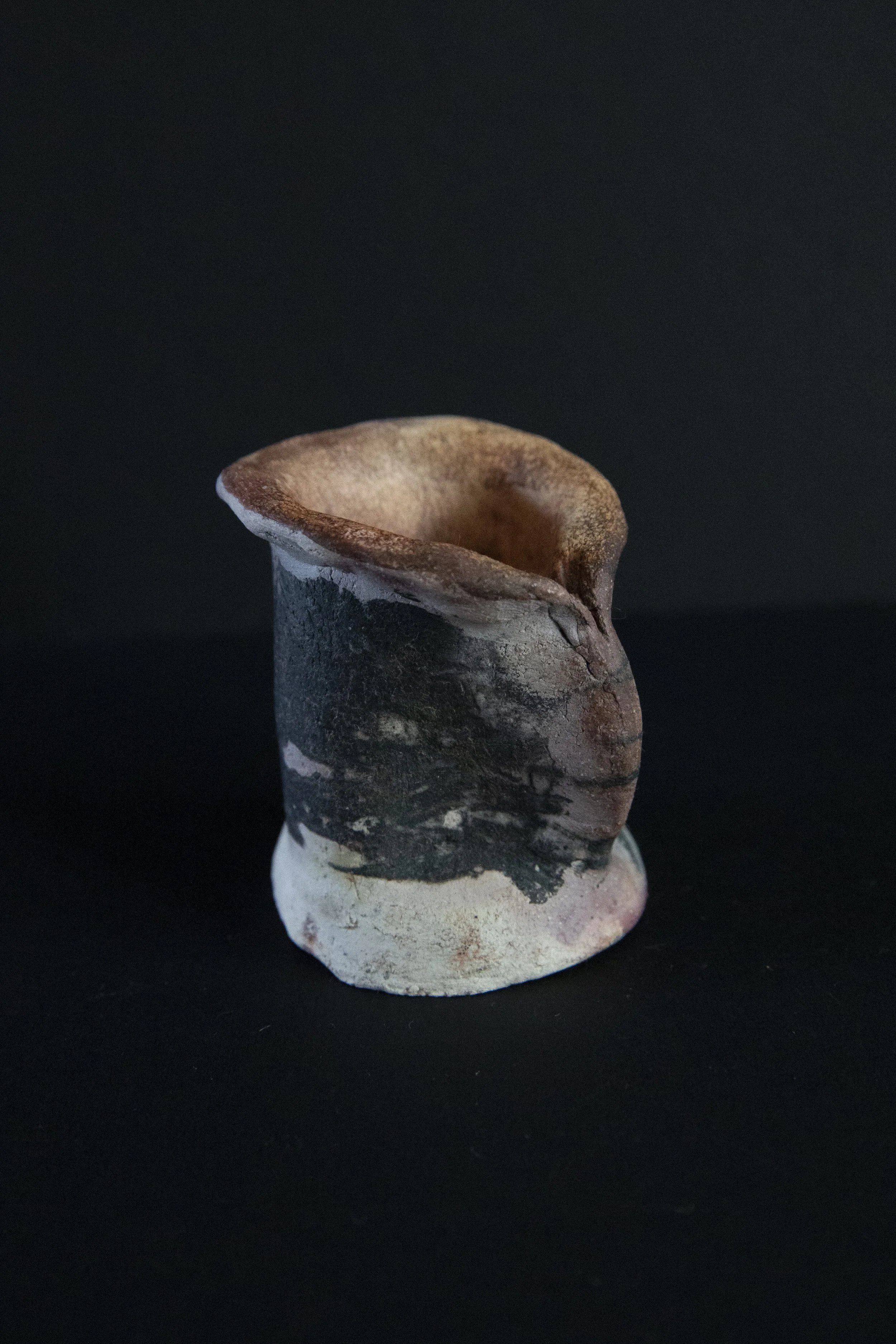
Work by Alex
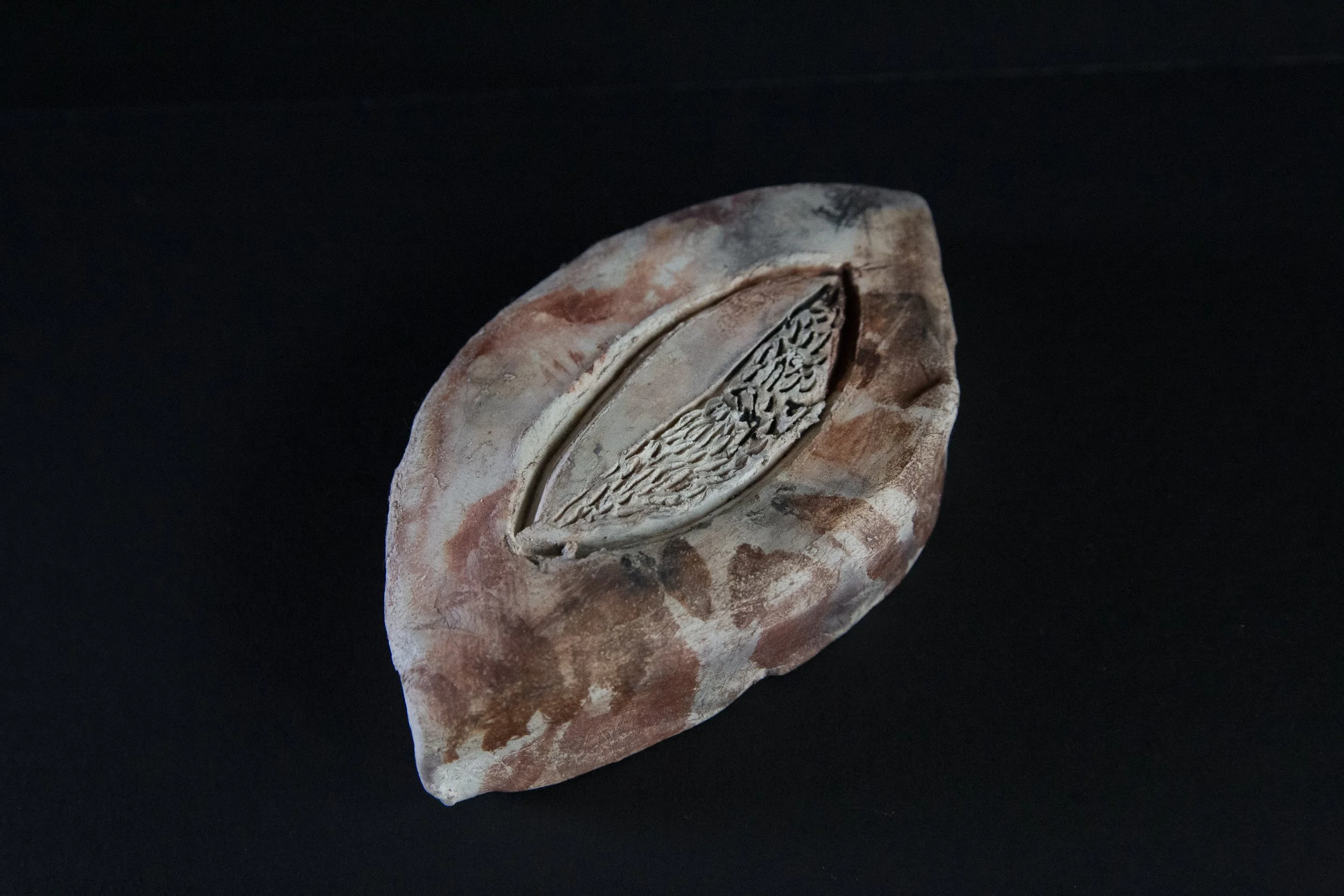
Work by Anastasia Hesketh
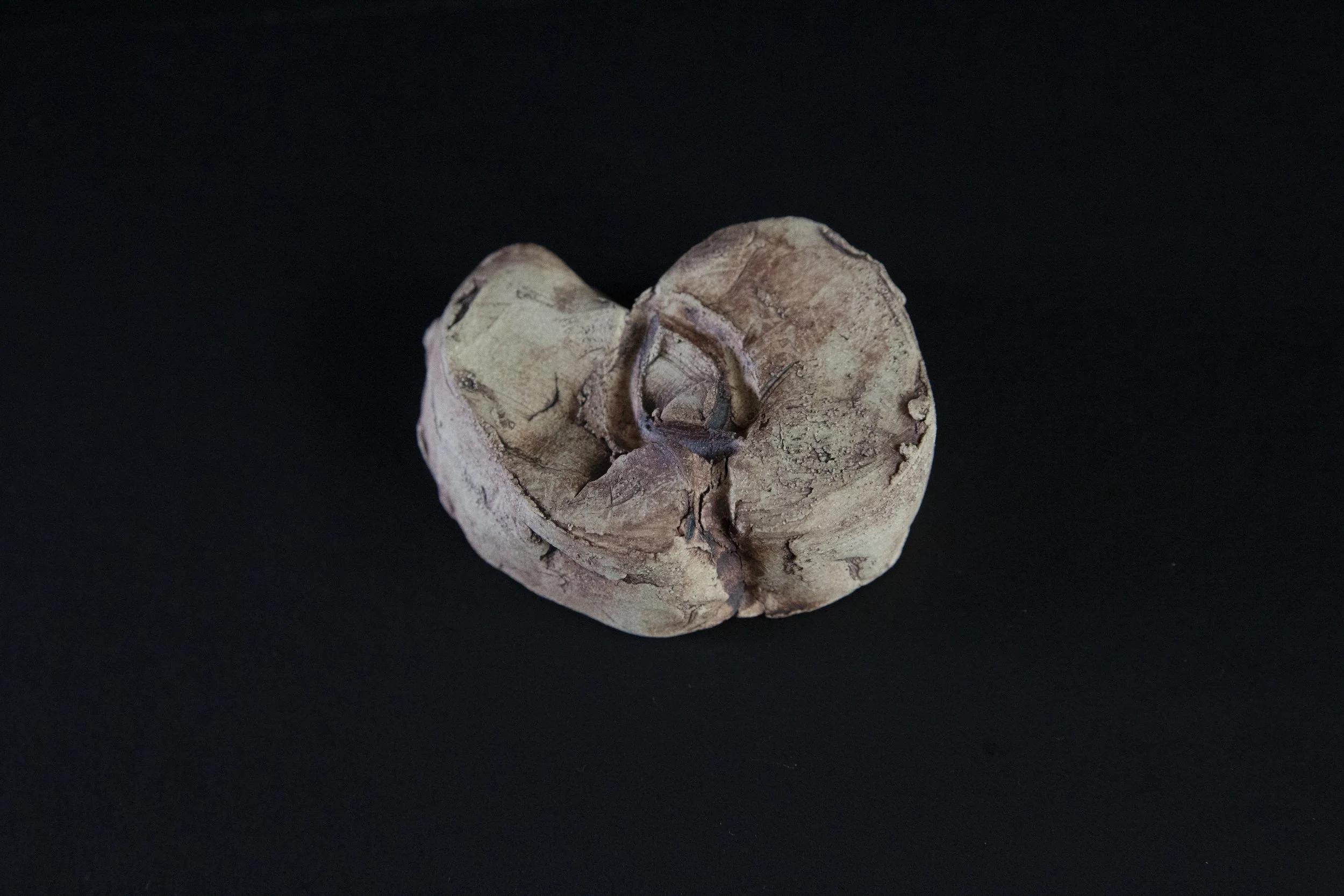
Work by Anastasia Hesketh
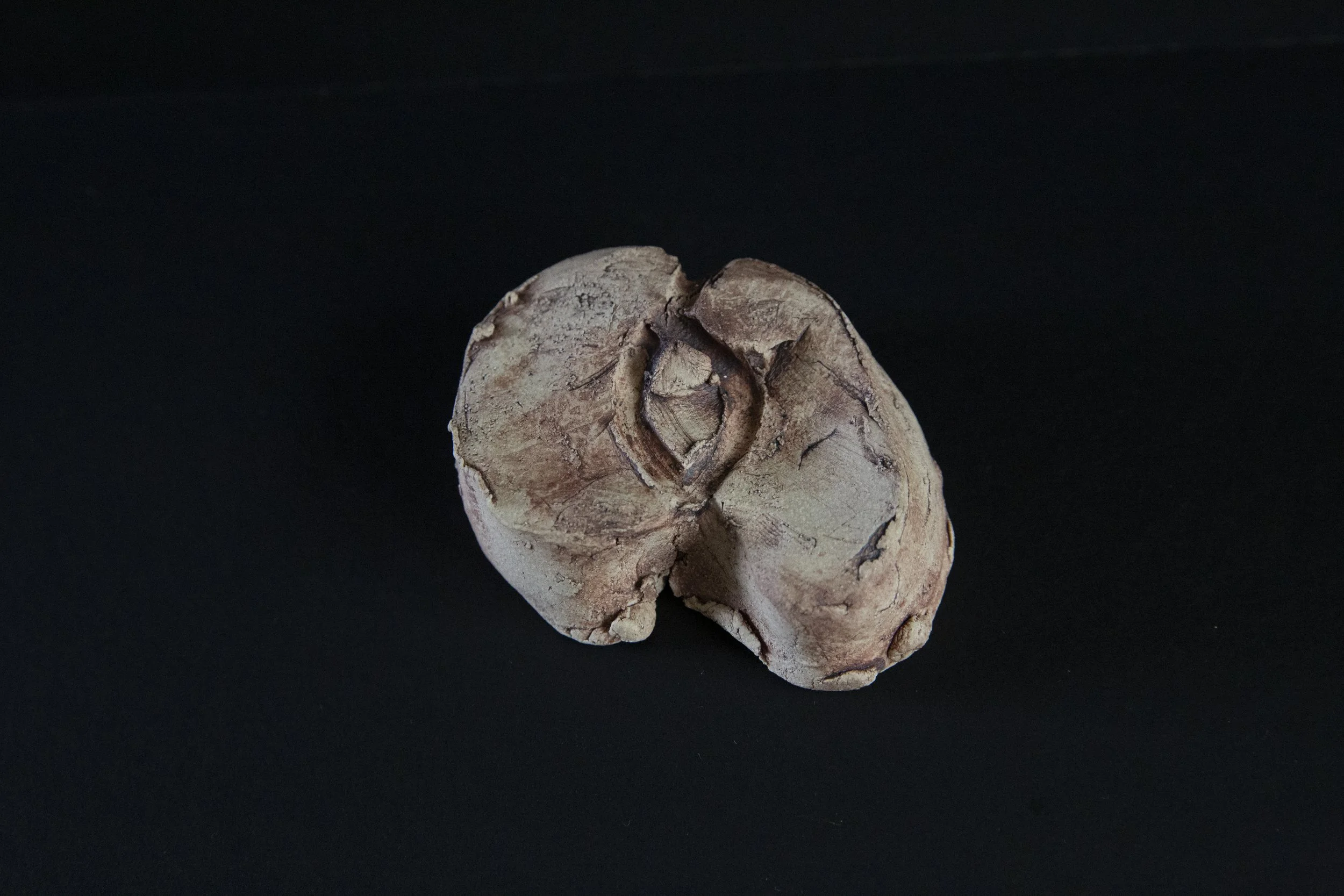
Work by Anastasia Hesketh
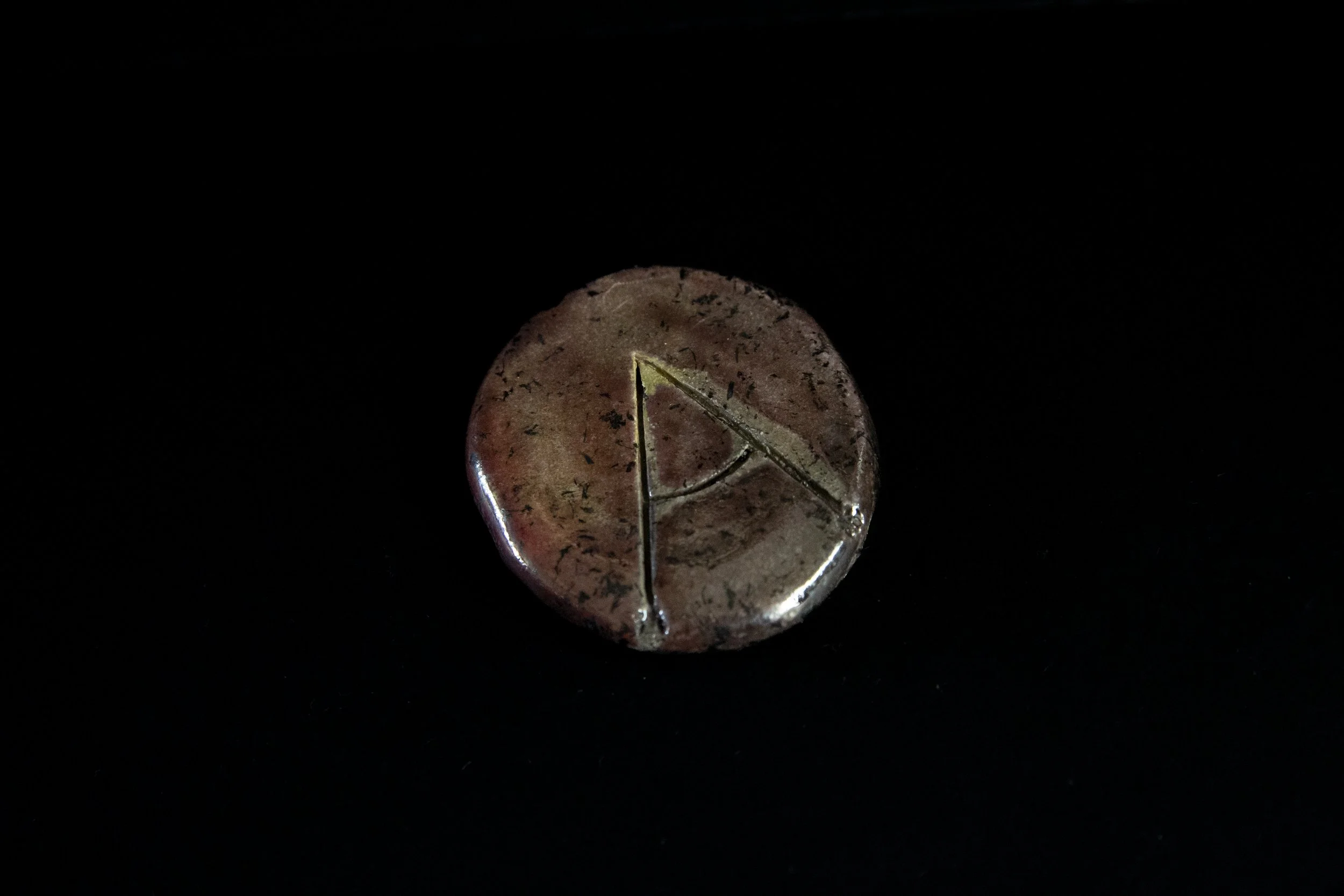
Work by Alex
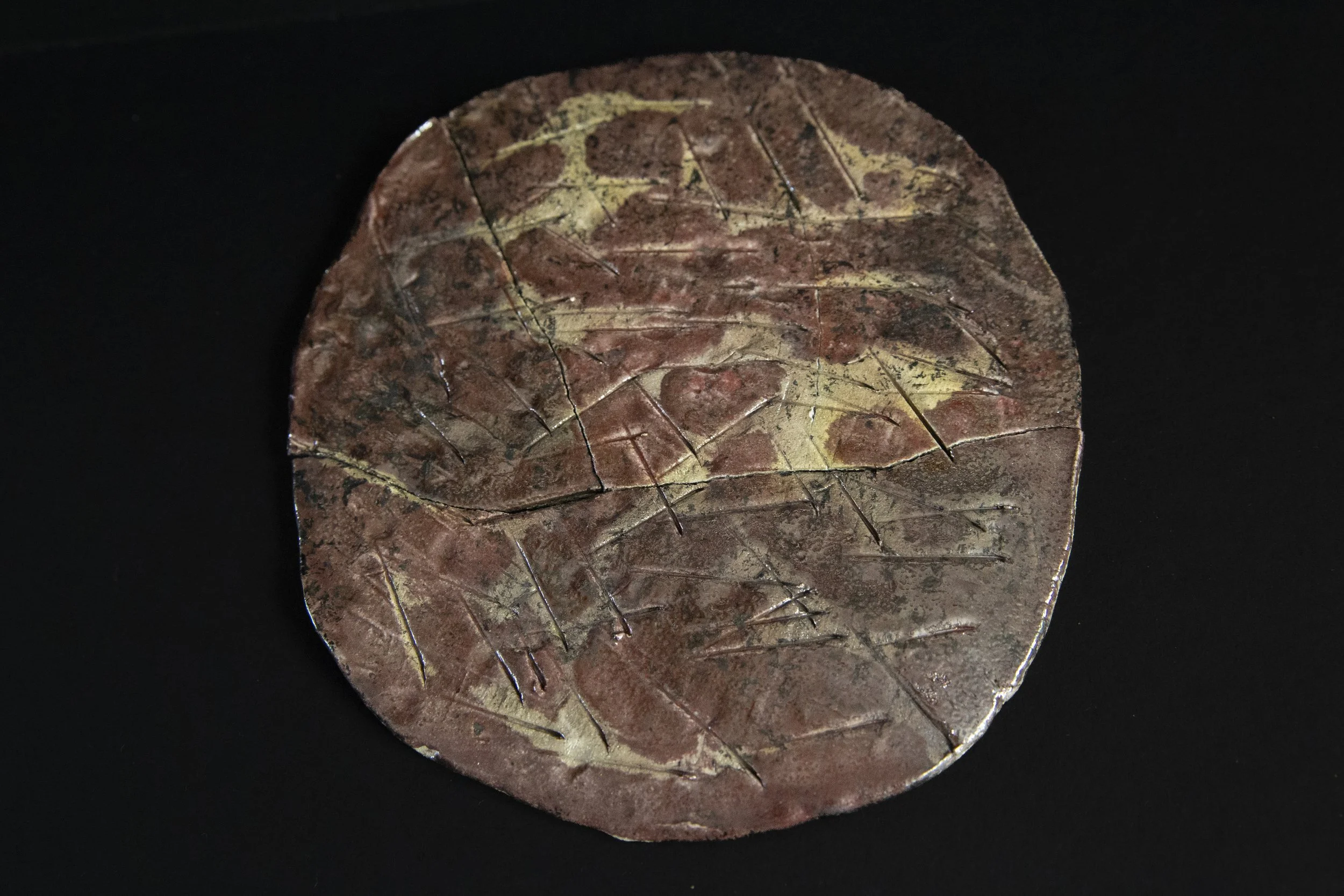
Work by Alex
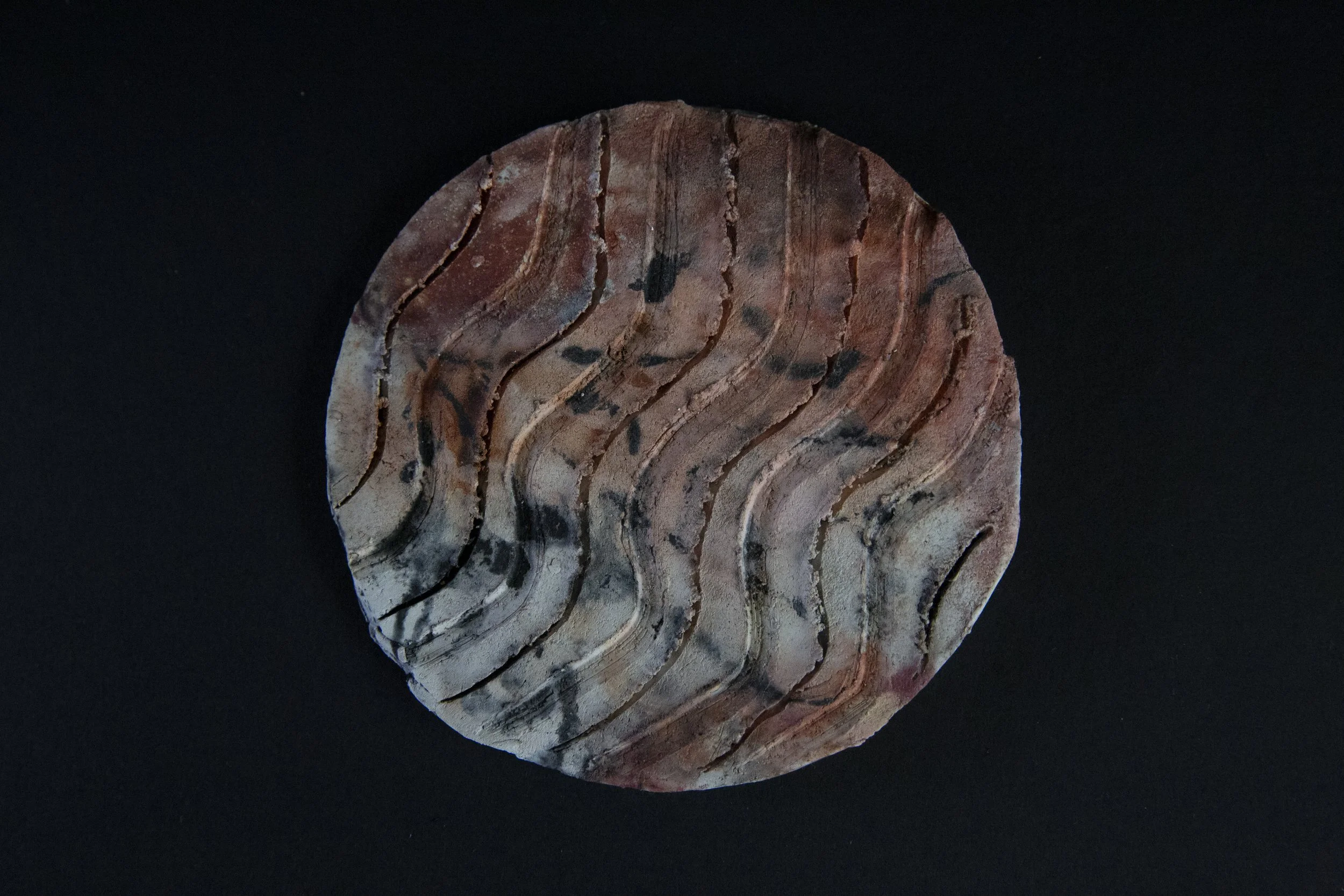
Work by Kate Hardy
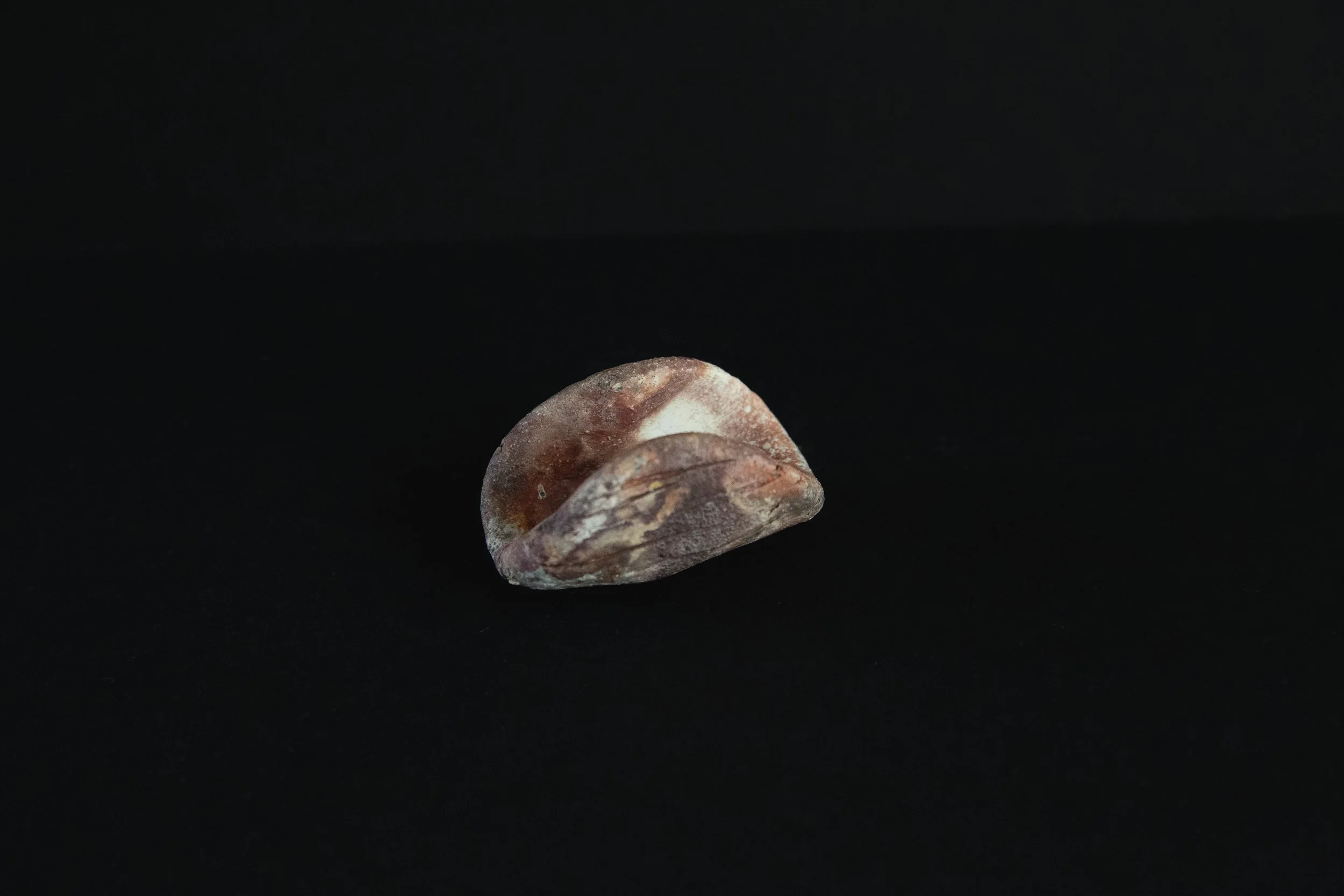
Work by Kate Hardy
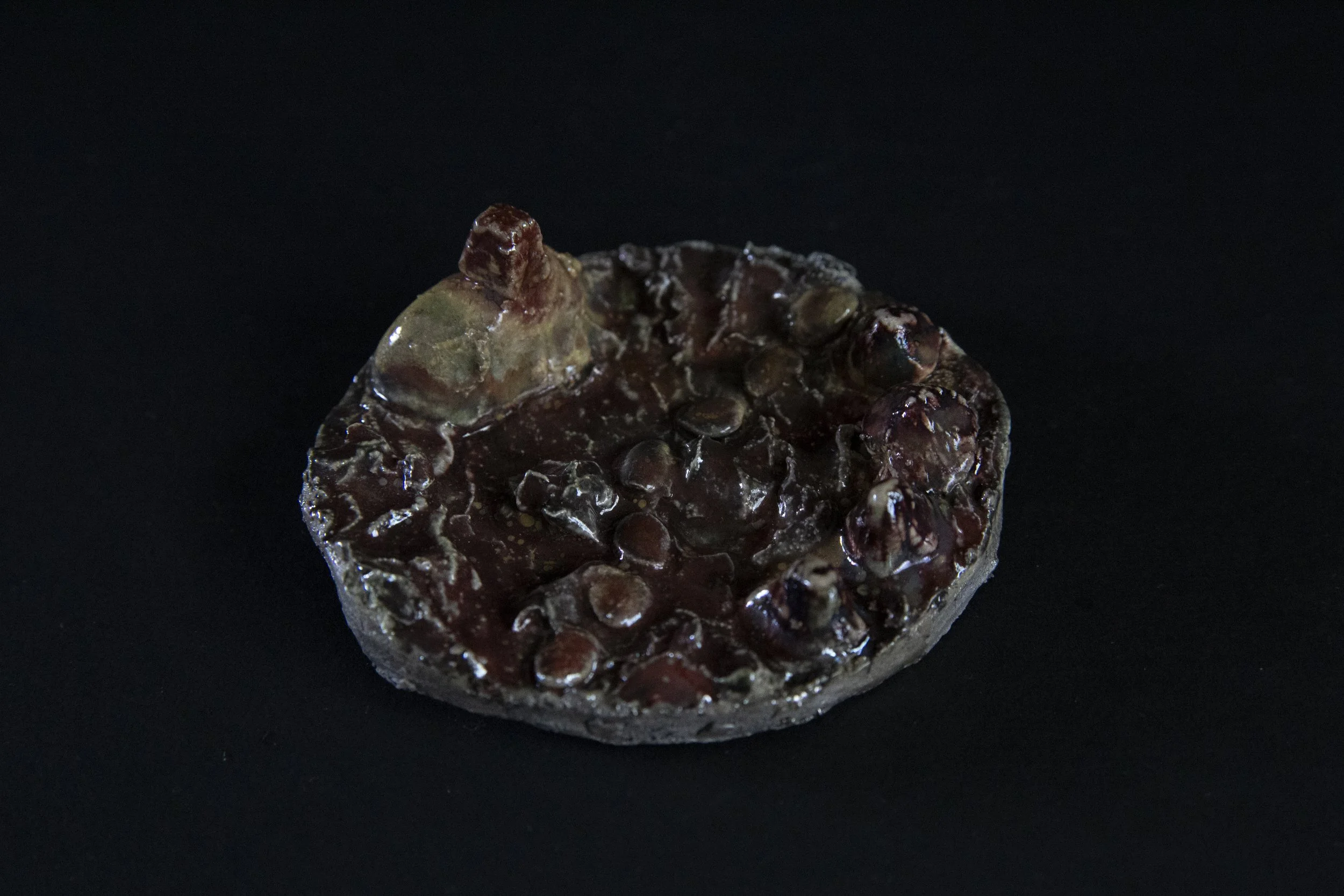
Work by Kate Hardy
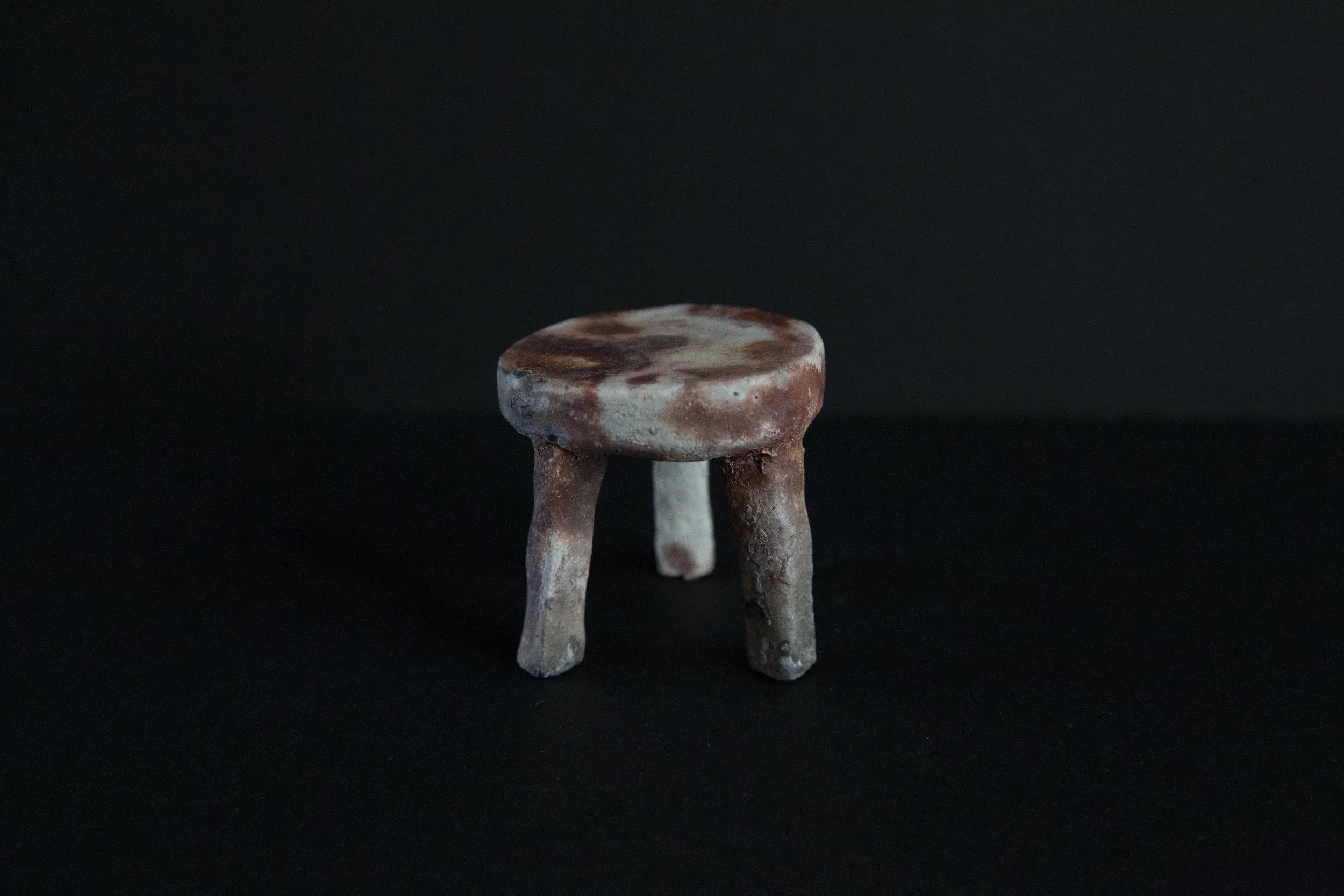
Work by Kate Hardy
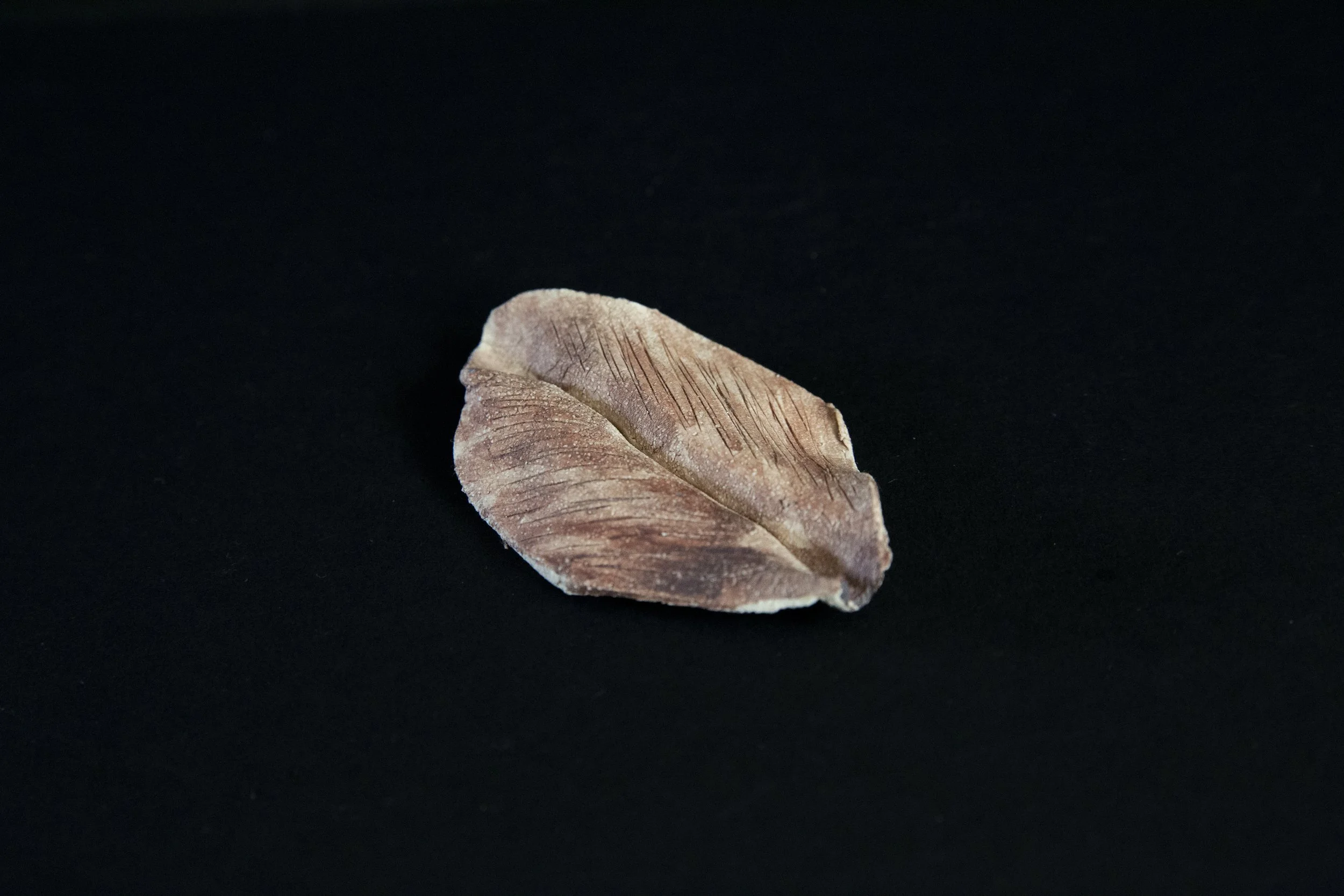
Work by Kate Hardy
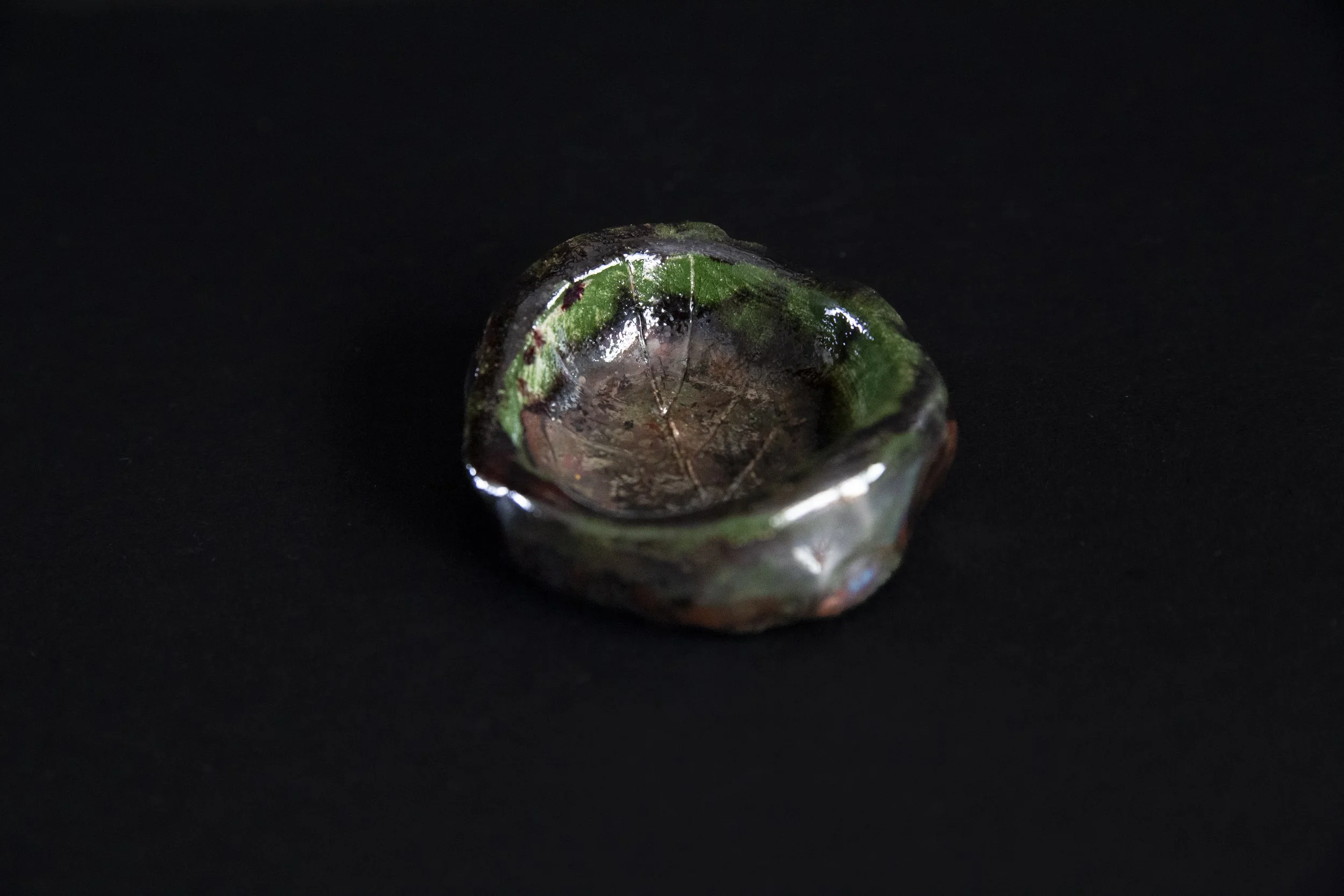
Work by Kate Hardy
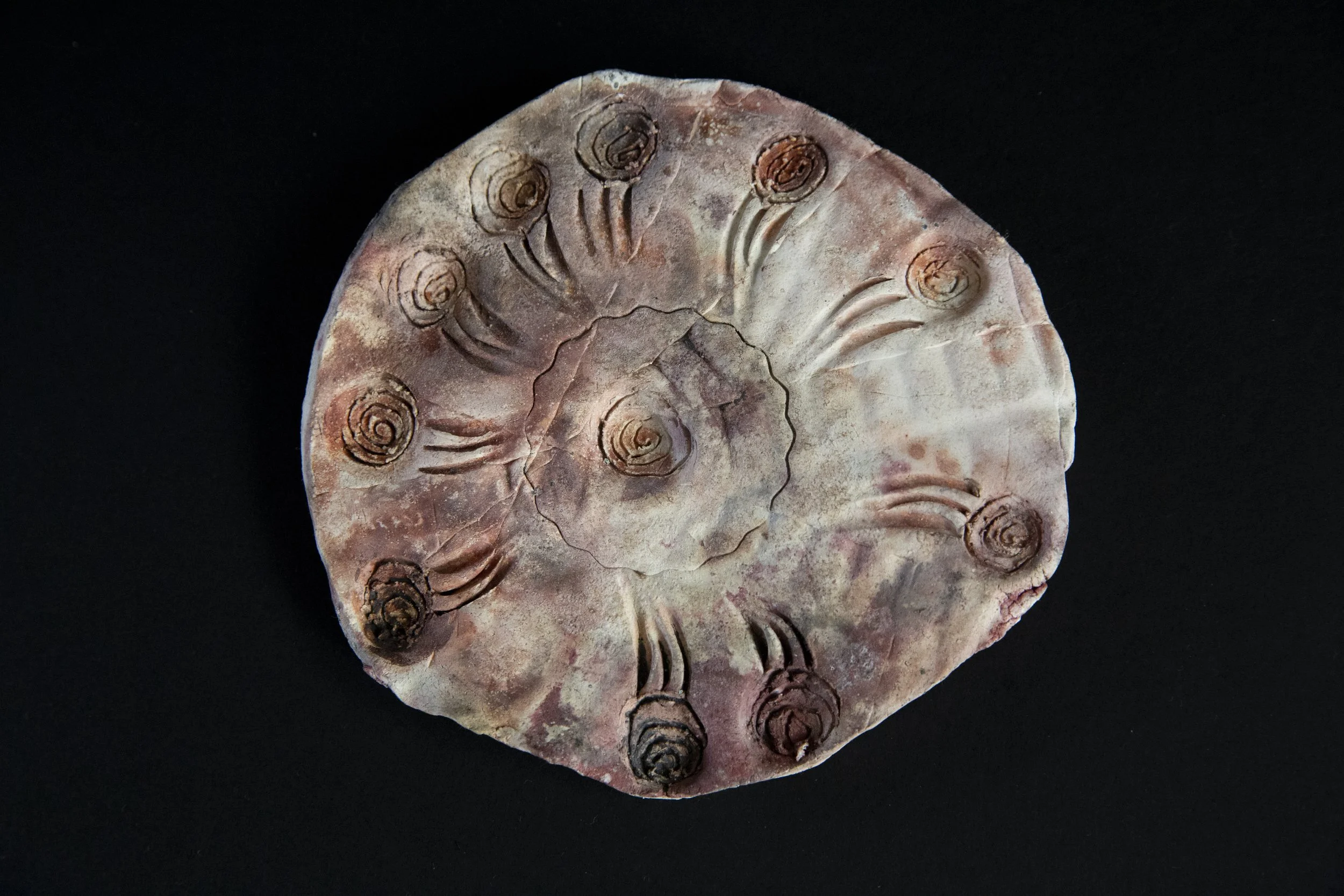
Work by anonymous
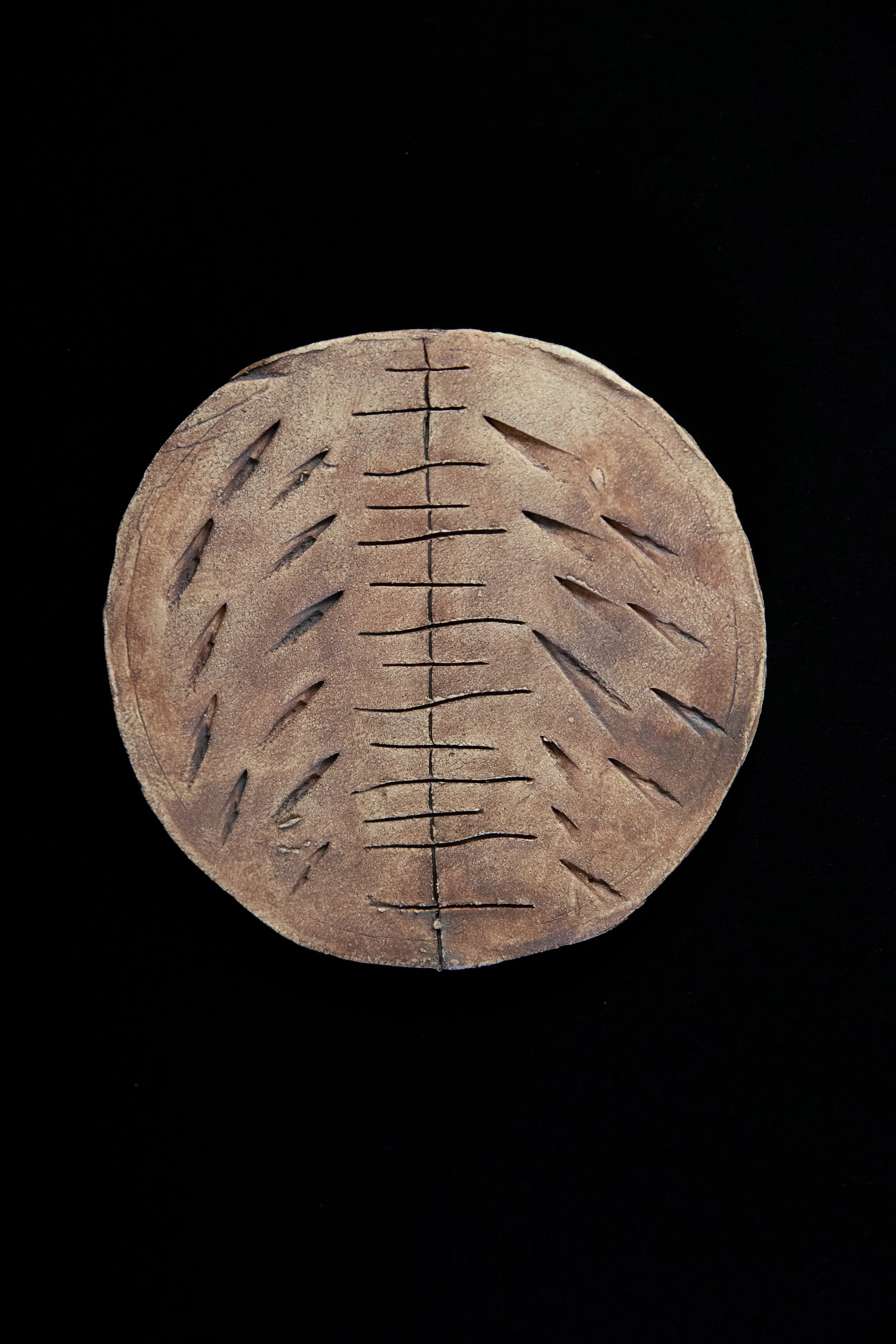
Work by Sarah-Jane
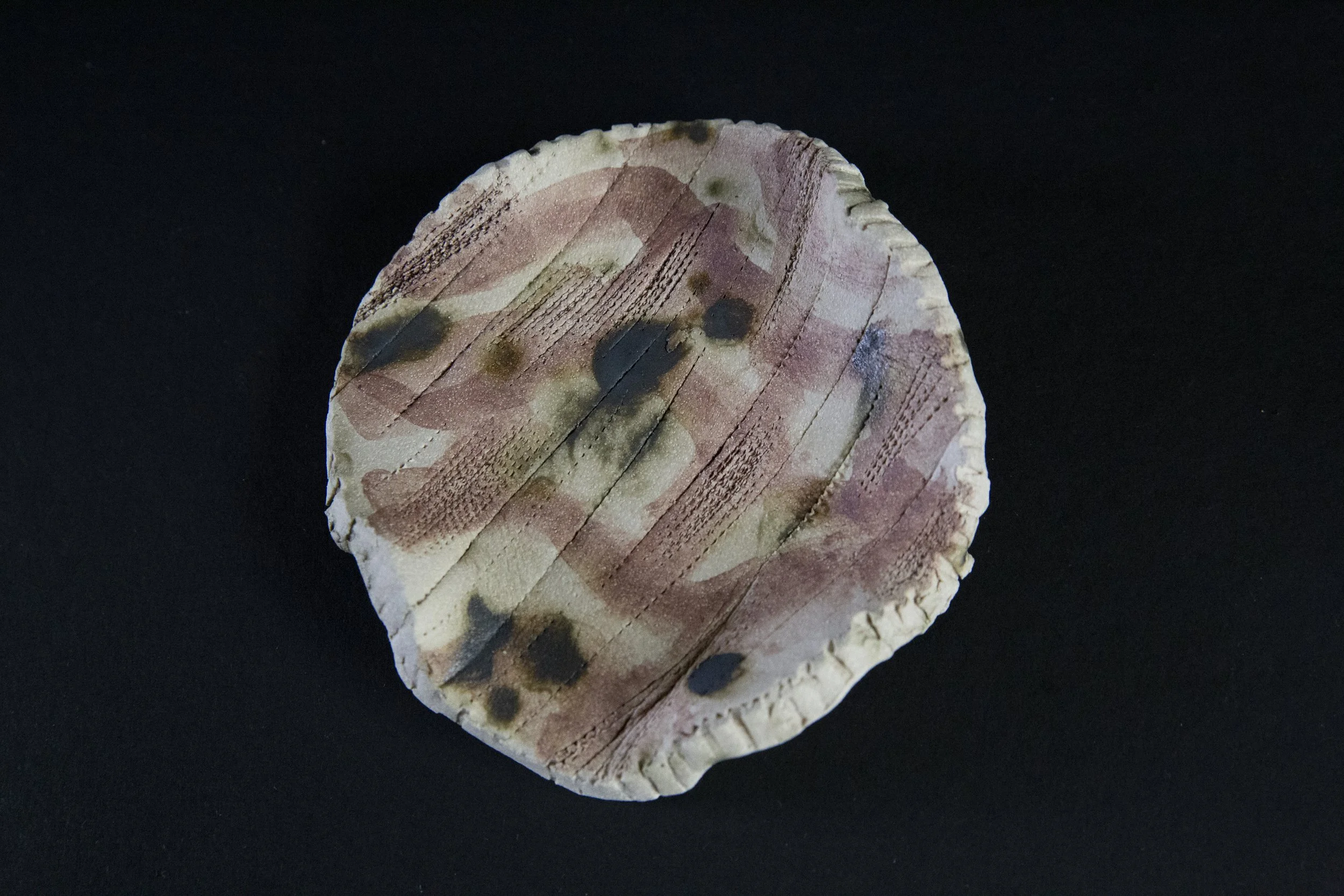
Work by Anna Sansom
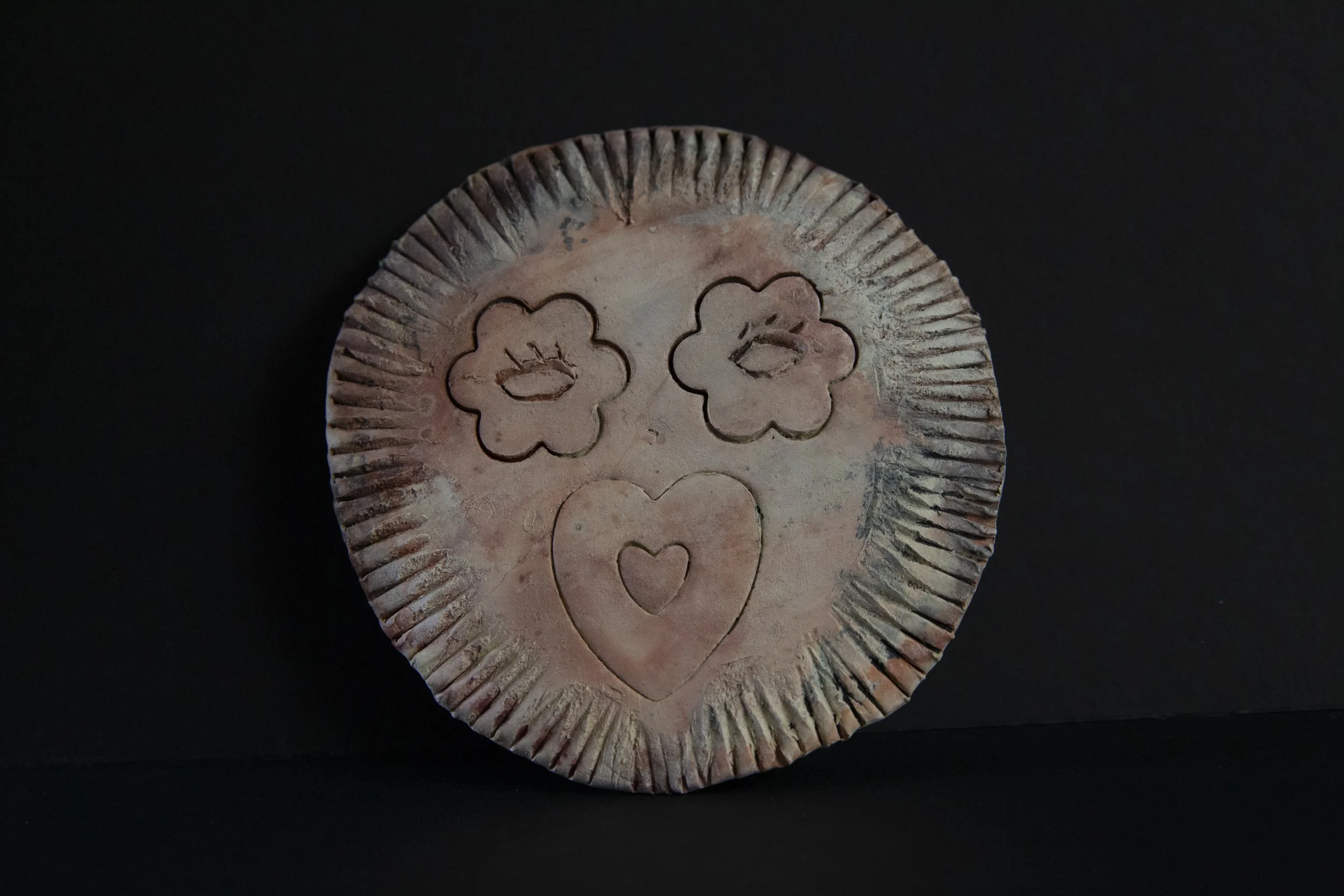
Work by Paula Dalziel
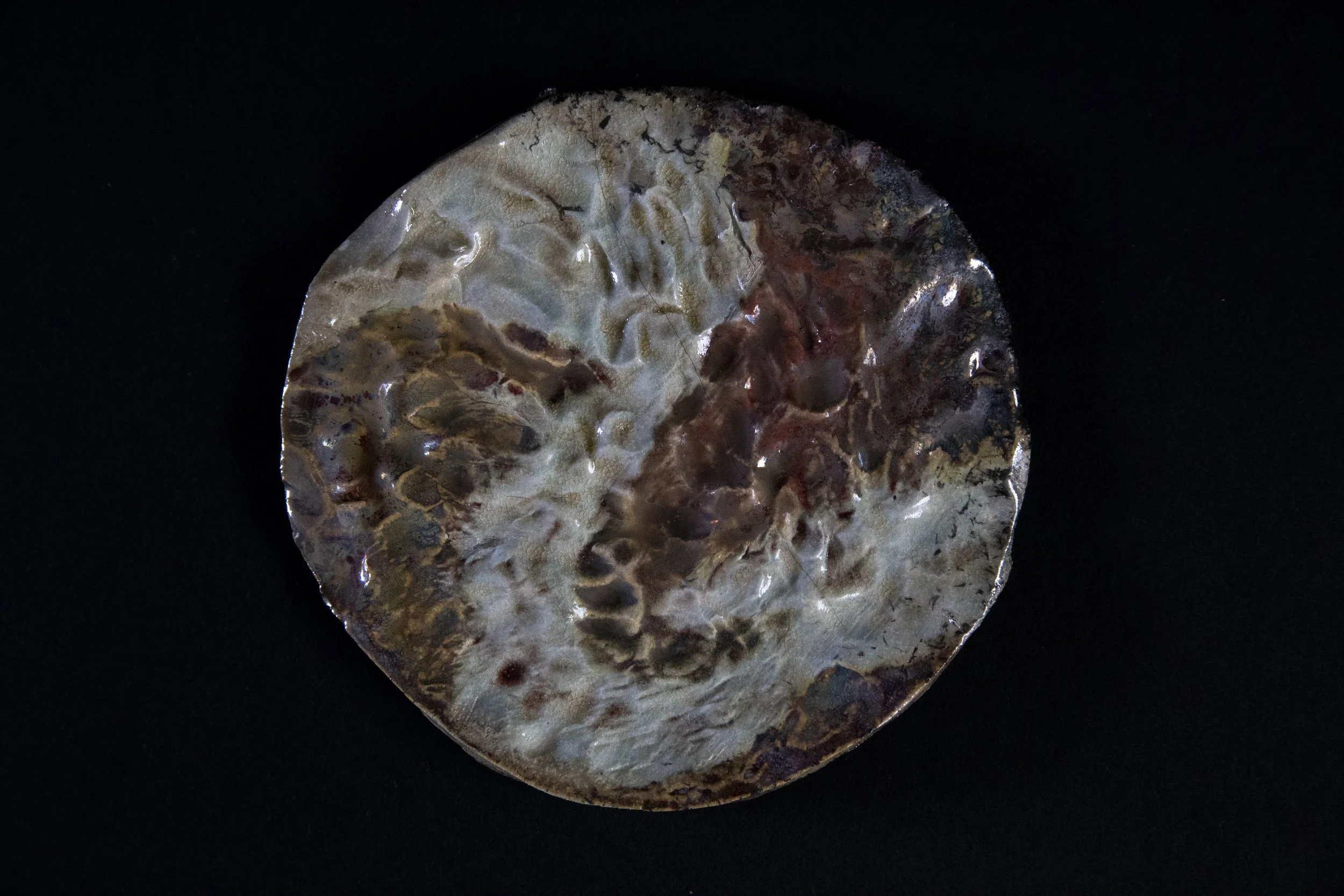
Work by Marge
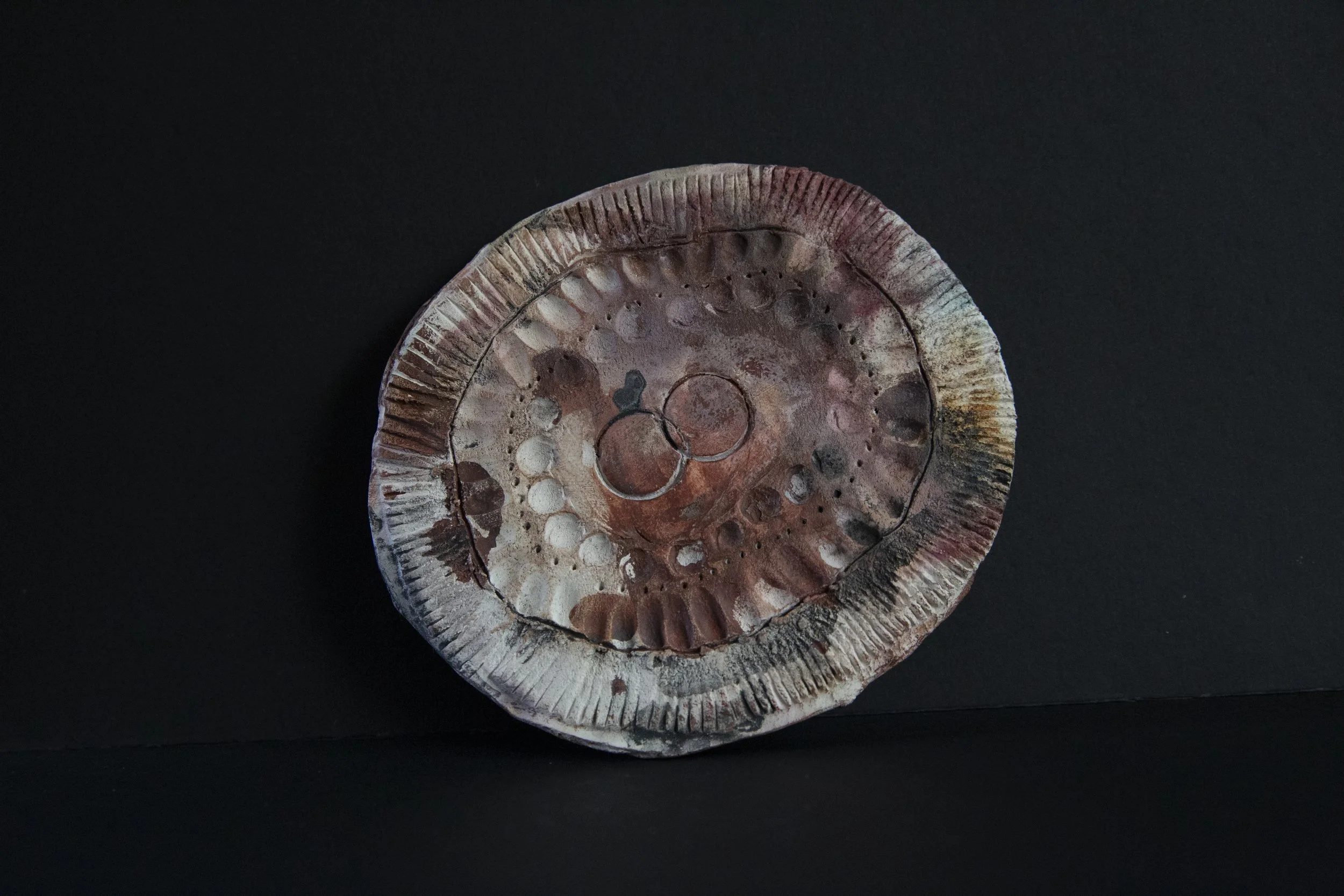
Work by Sarah Martin
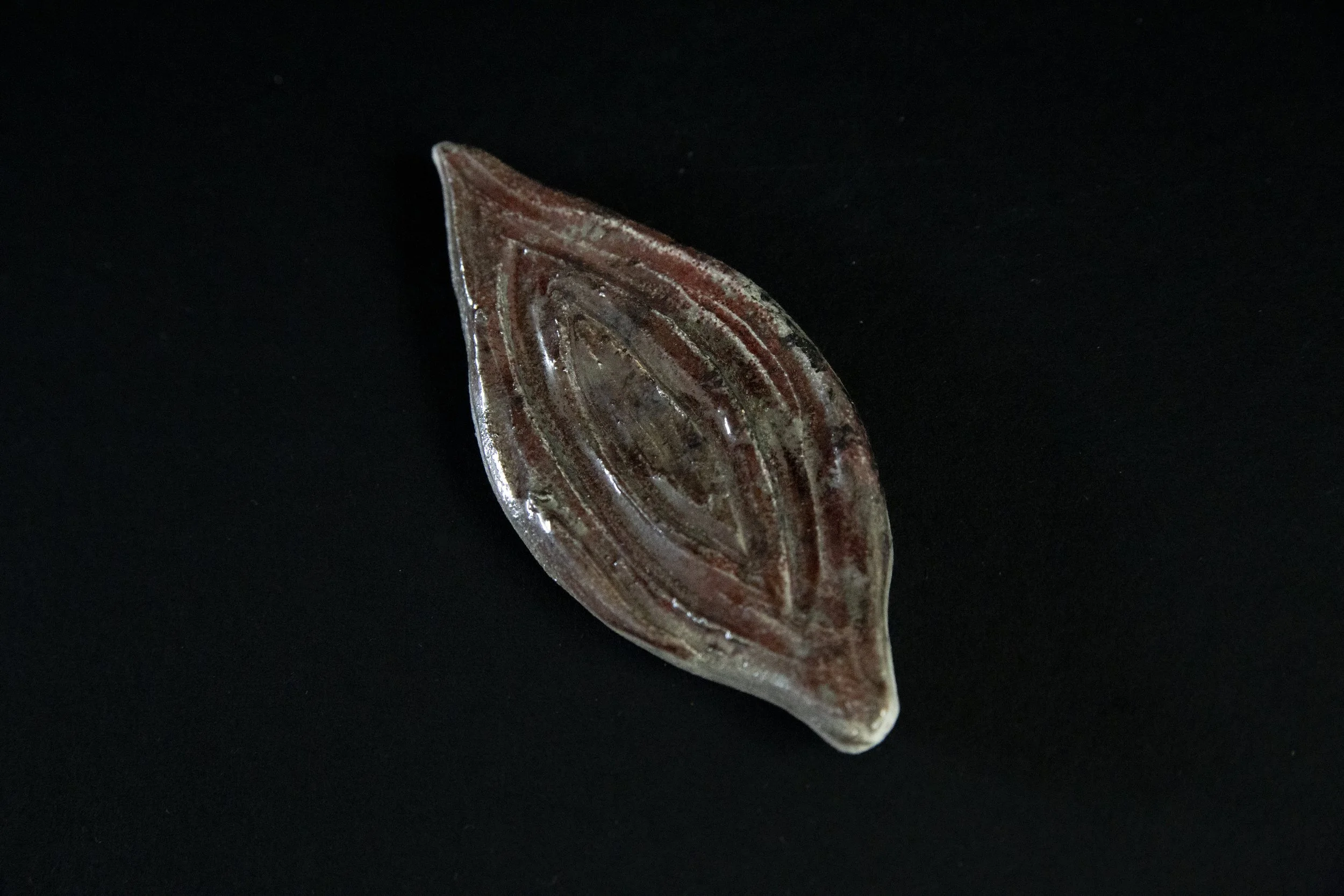
Work by Sarah-Jane
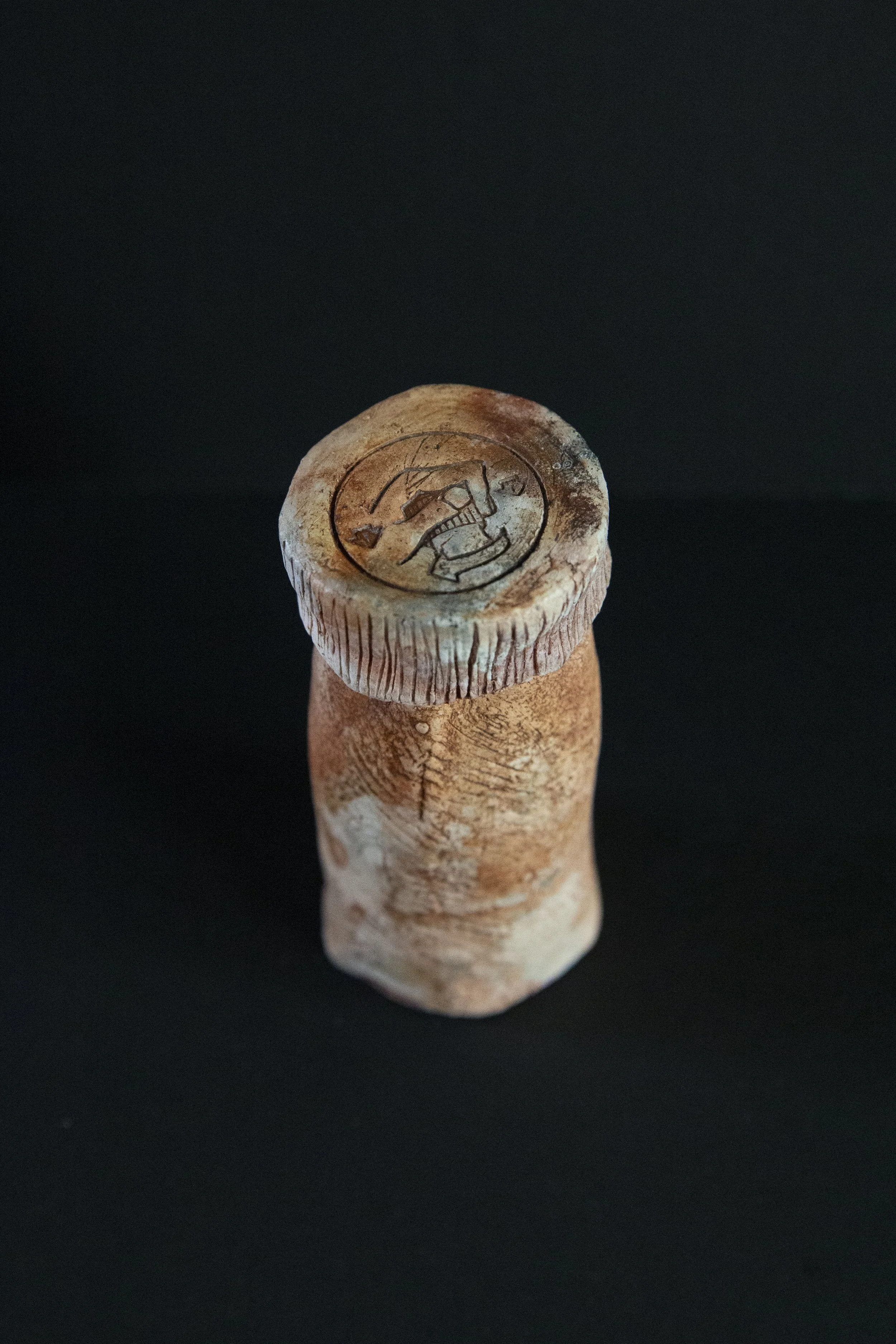
Work by Sarah-Jane
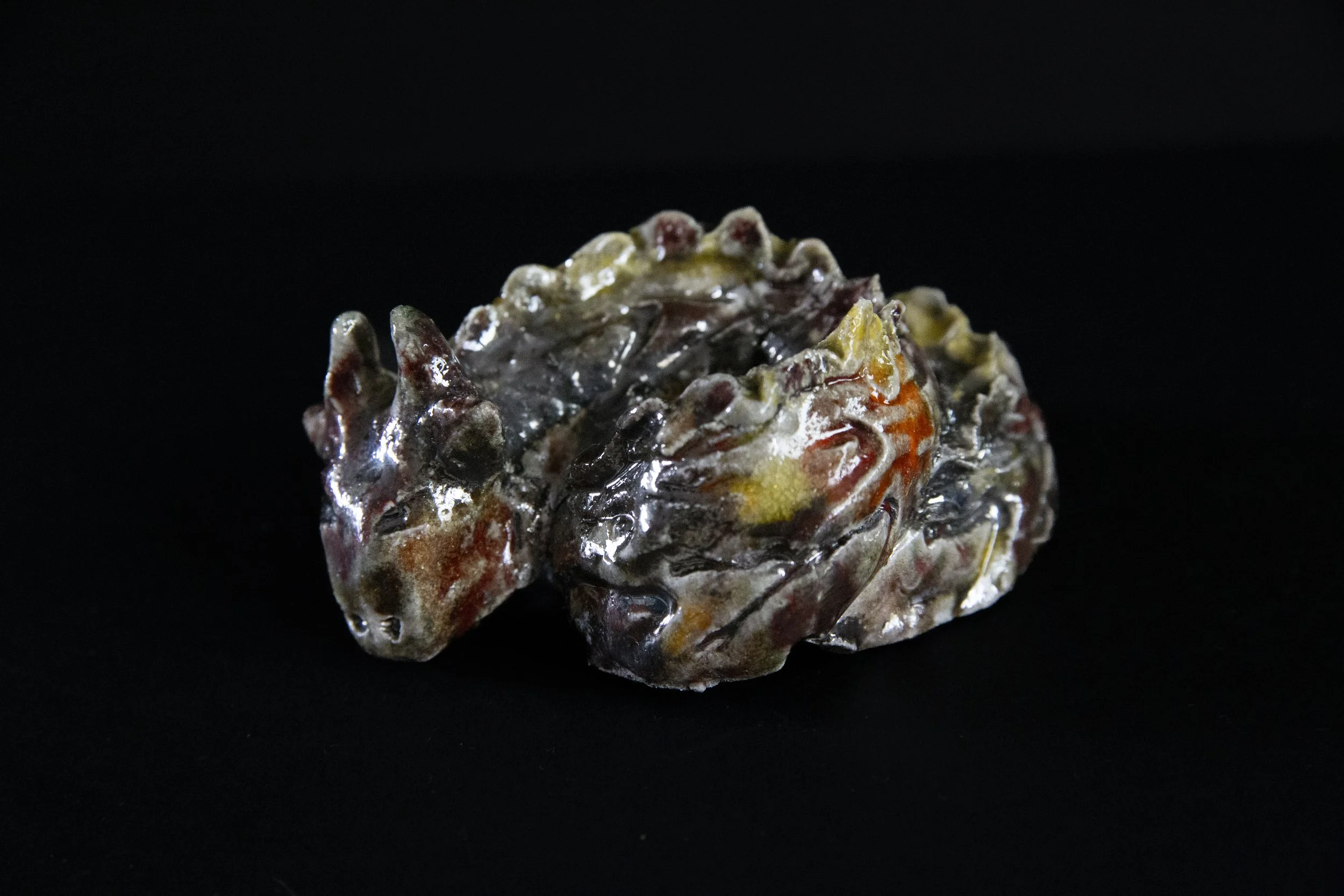
Work by Anna Sansom
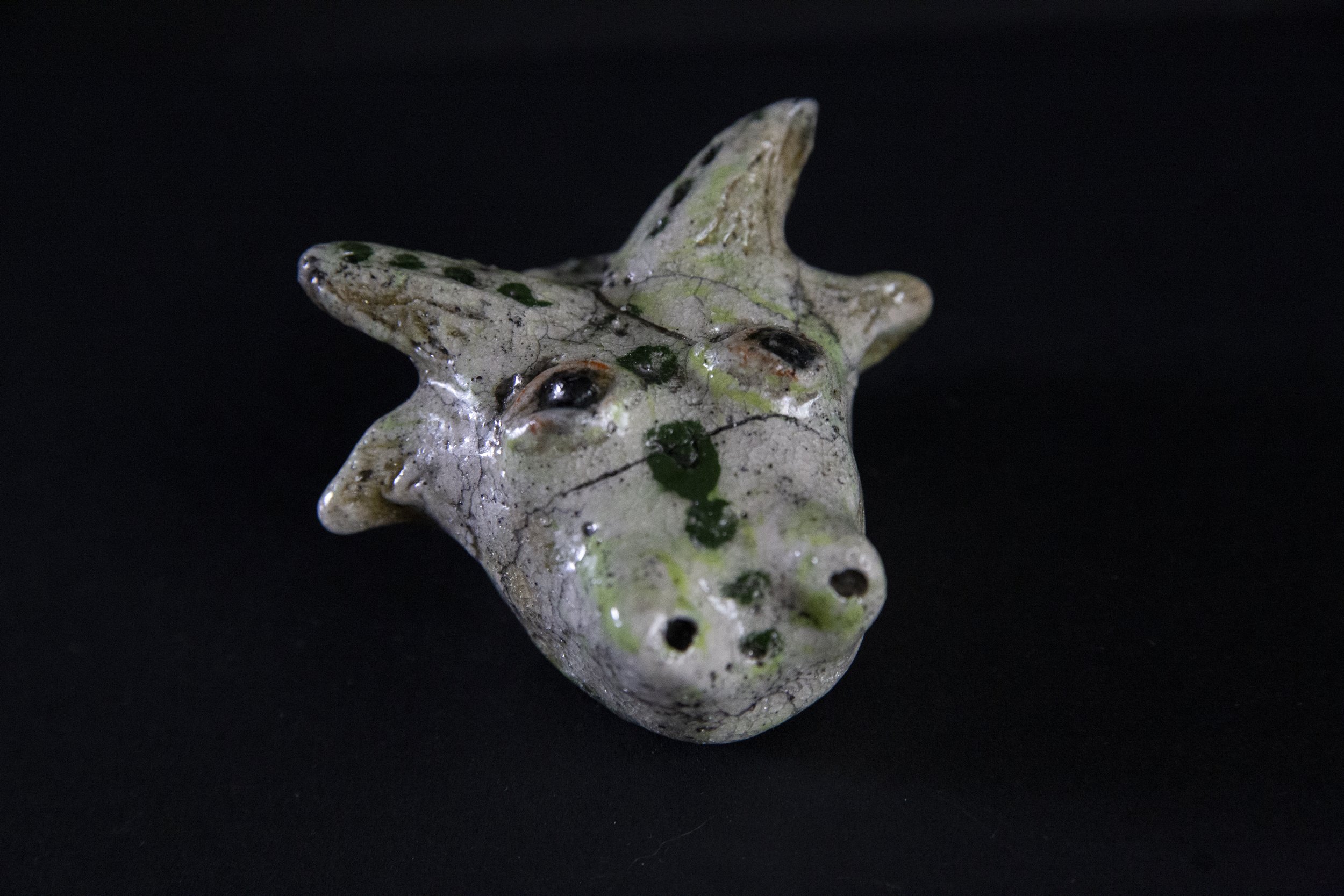
Work by Anna Sansom
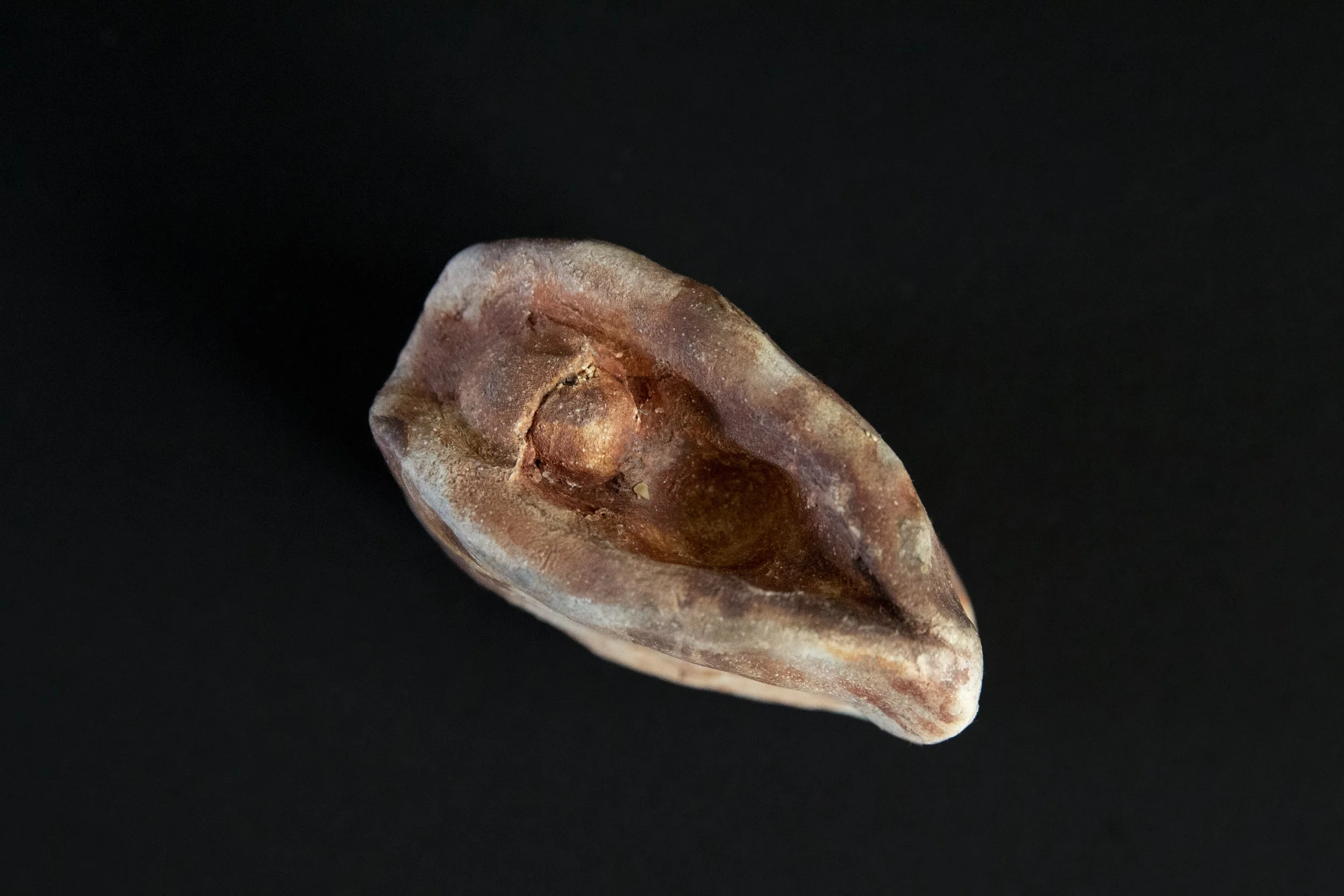
Work by Anna Sansom
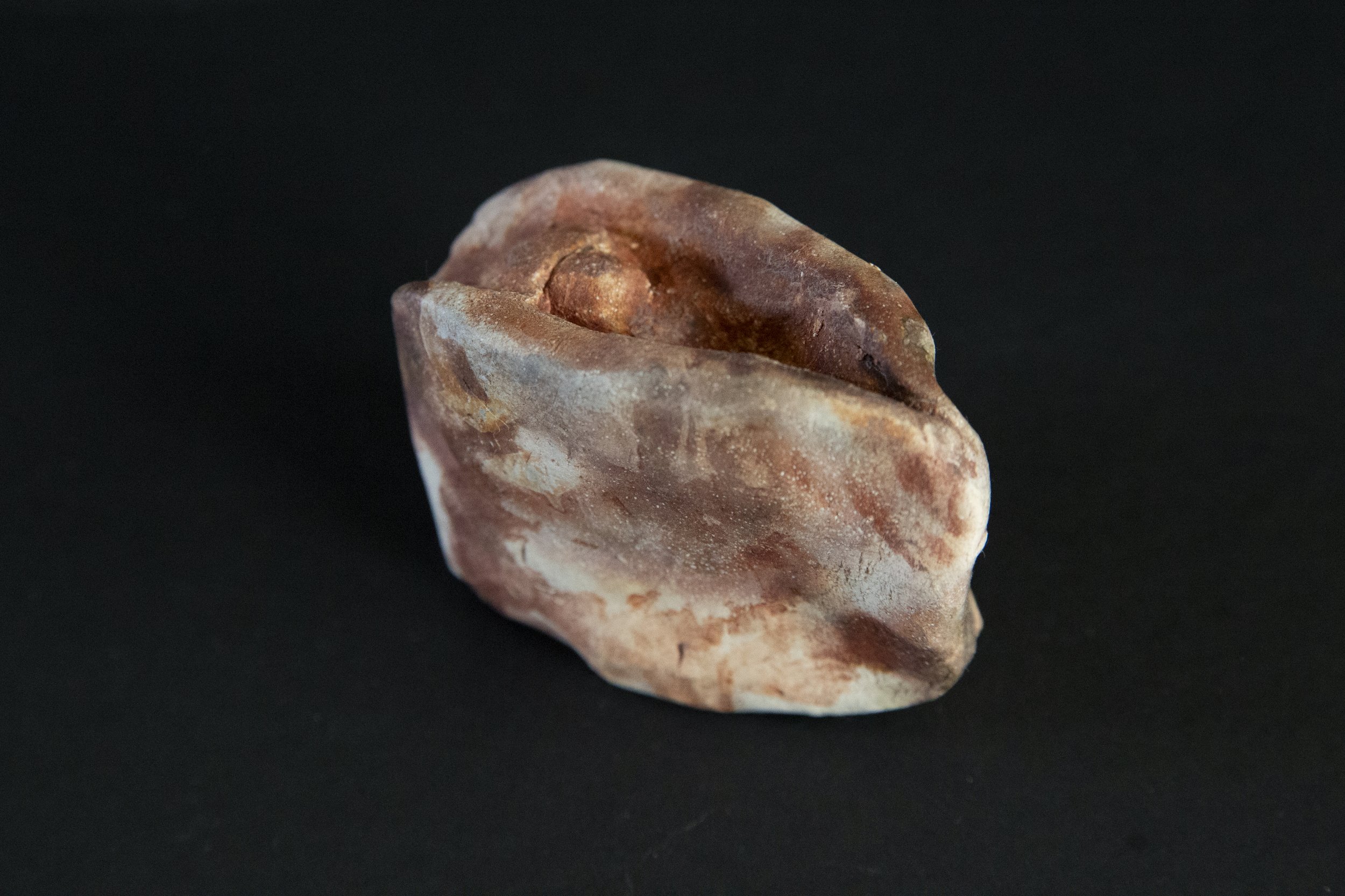
Work by Anna Sansom
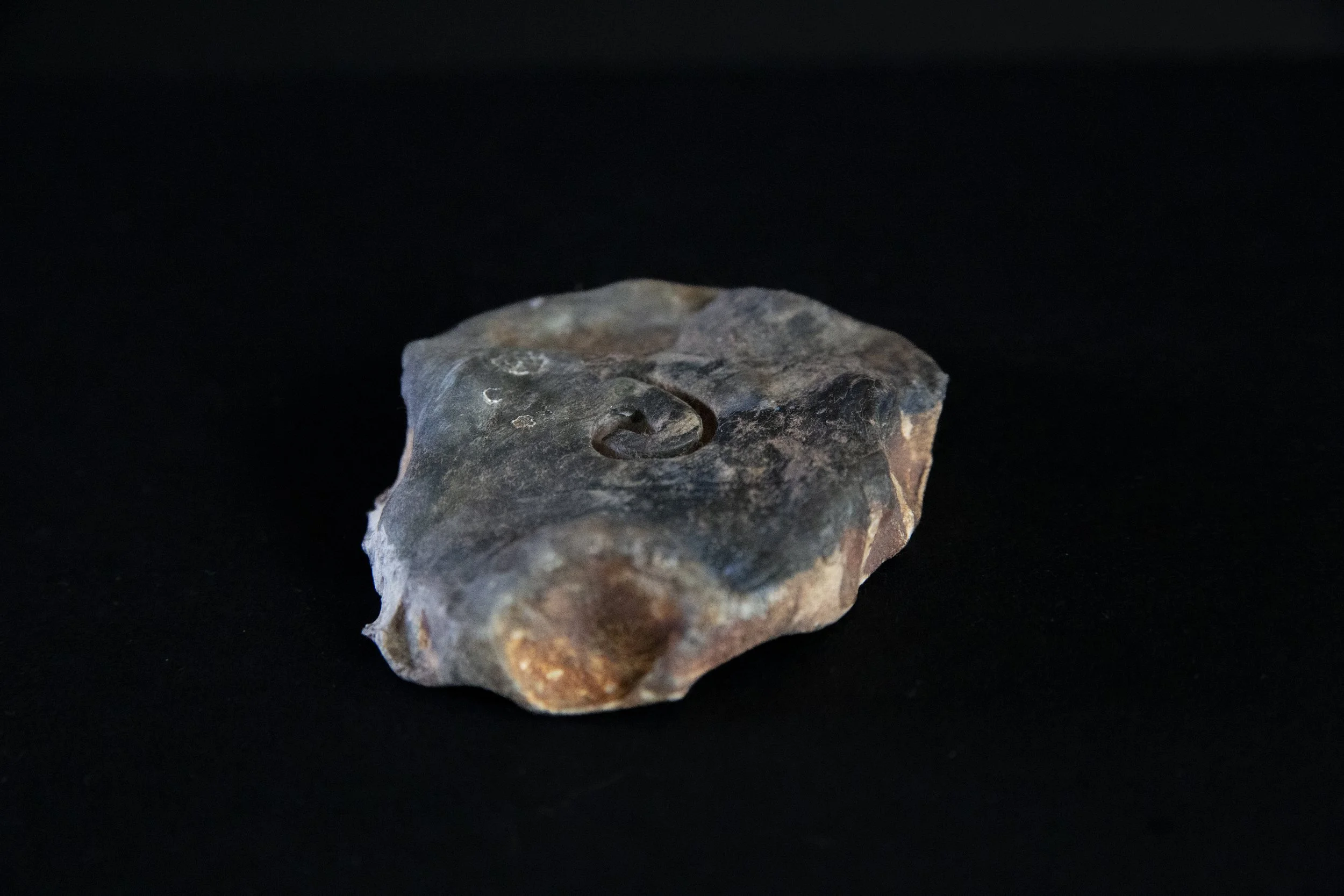
Work by Anna Sansom
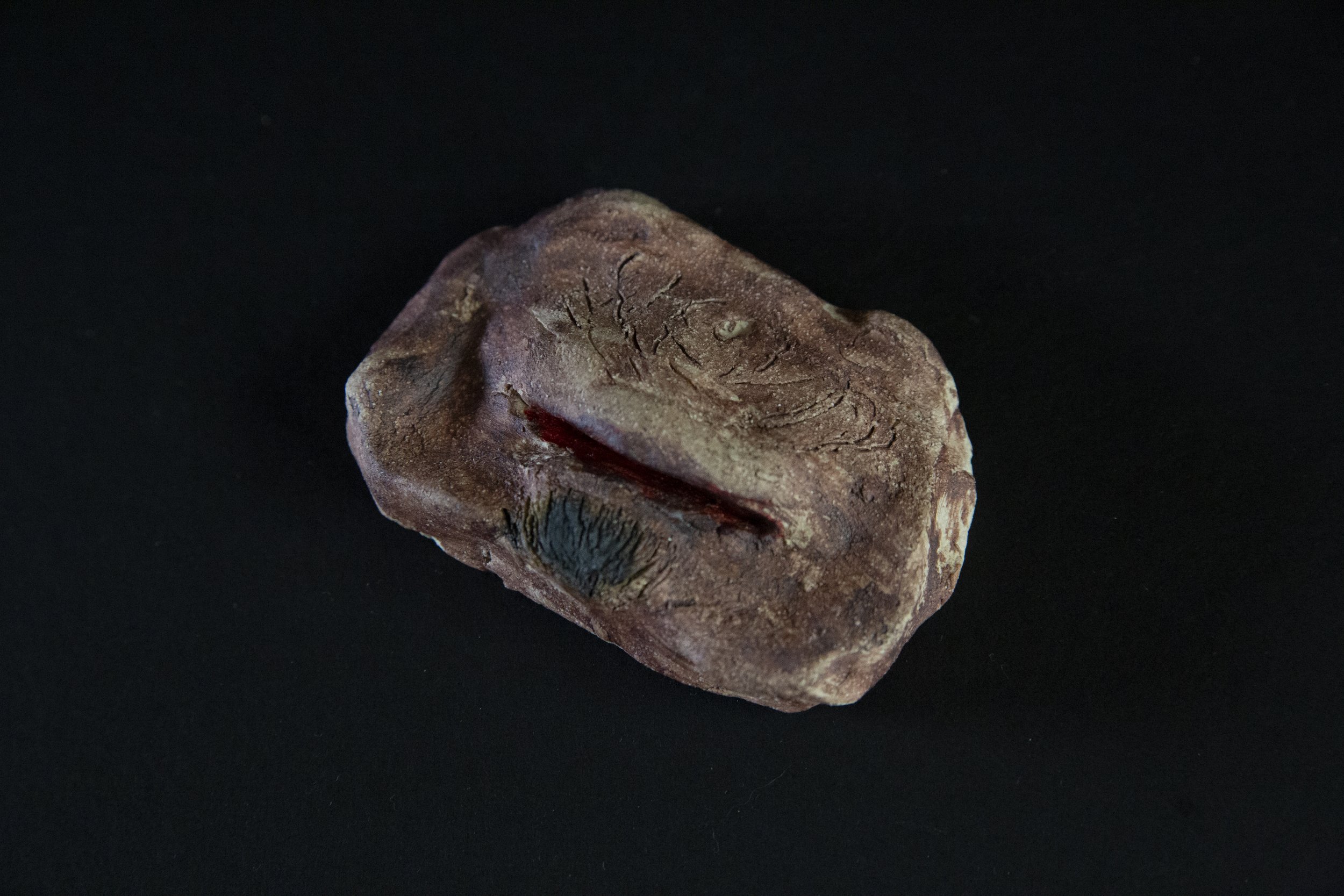
Work by Anna Sansom
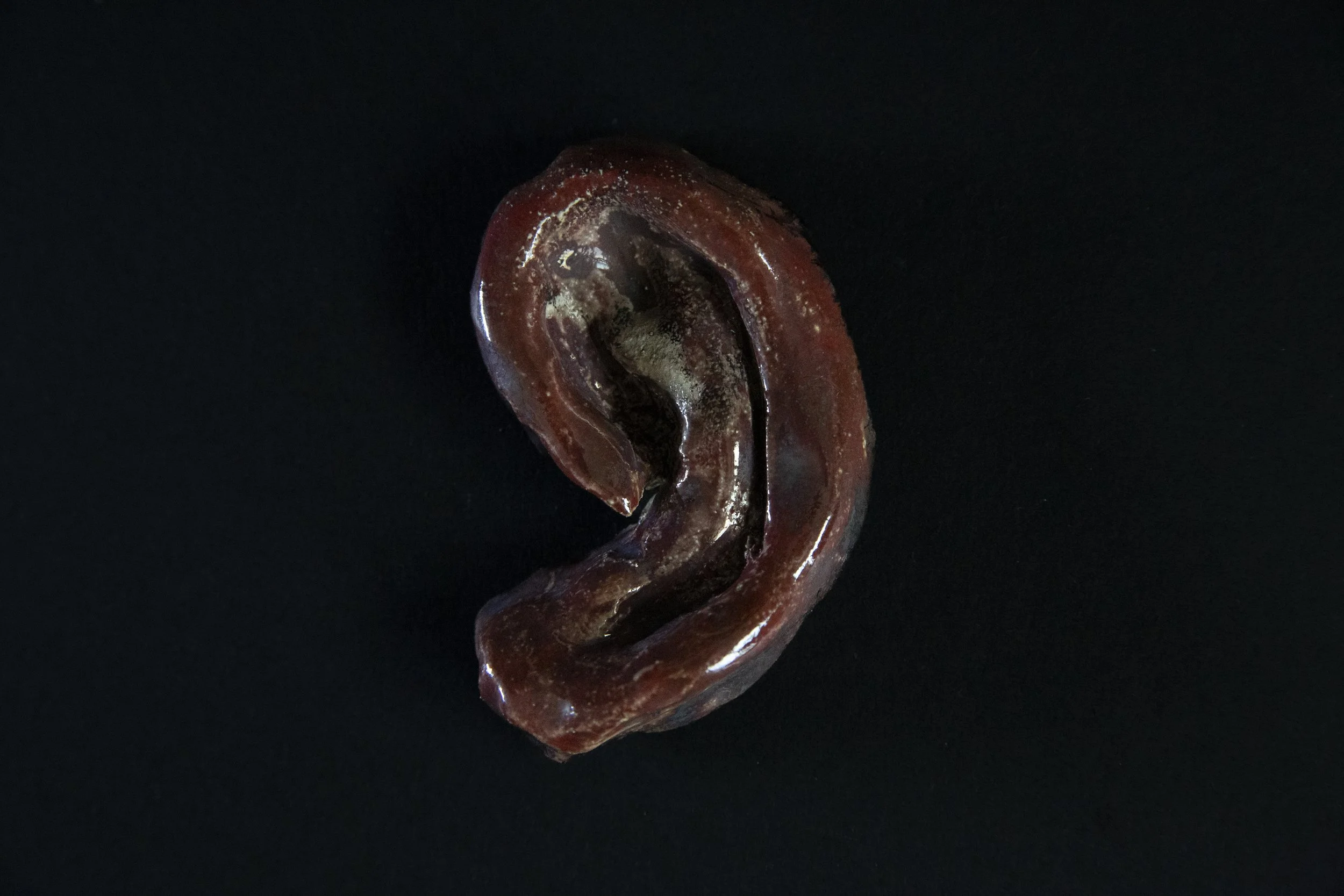
Work by Marge
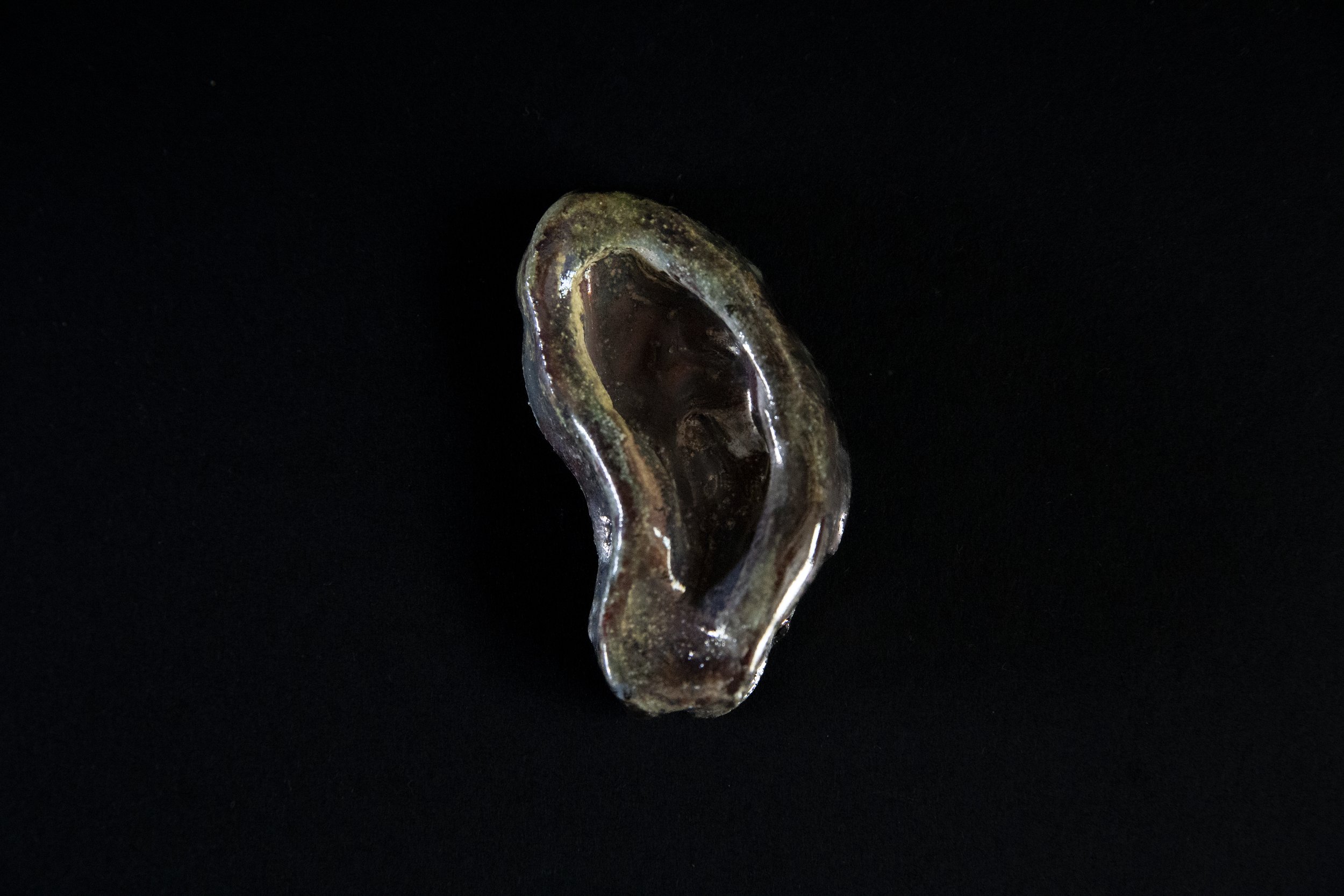
Work by Marge
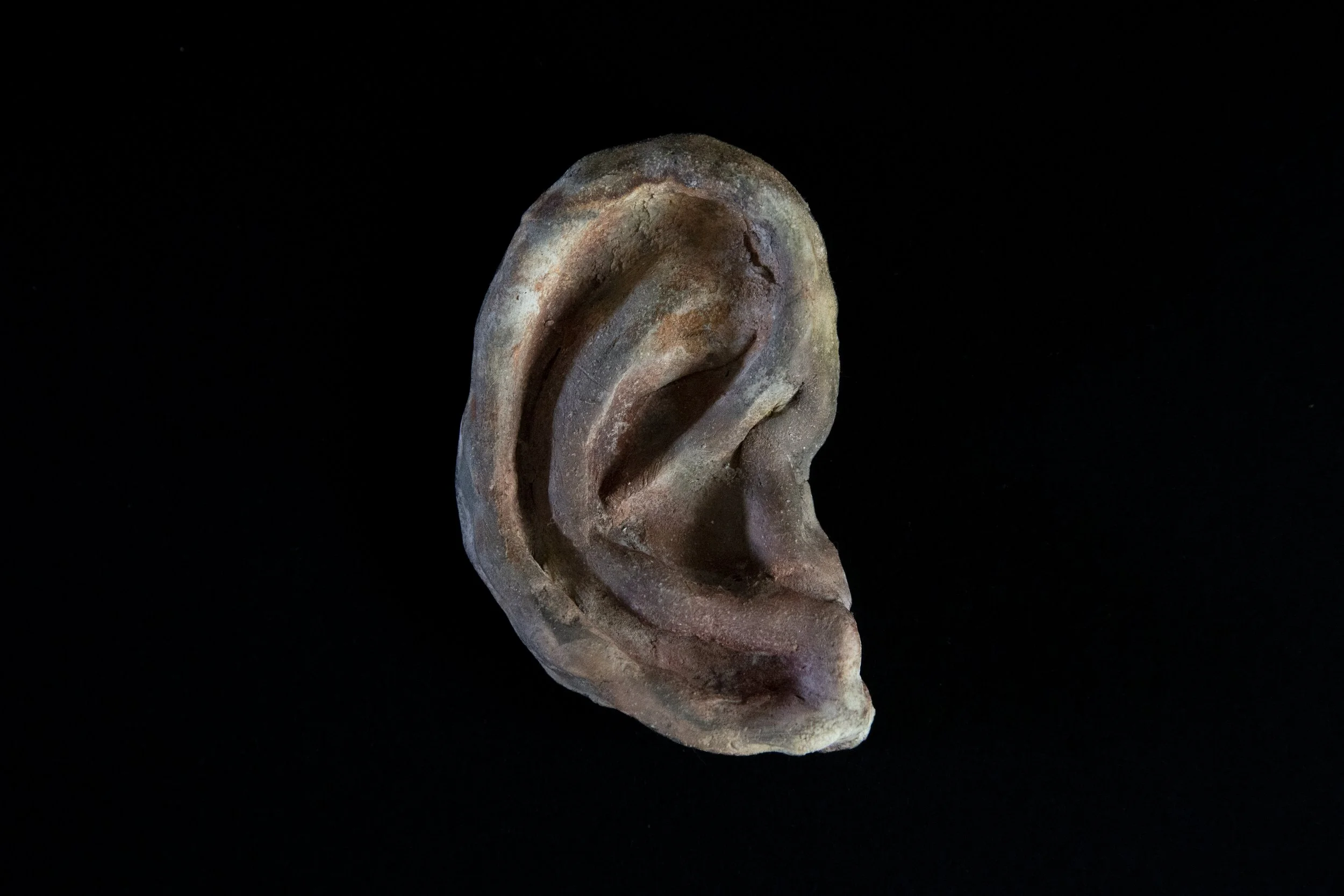
Work by Marge
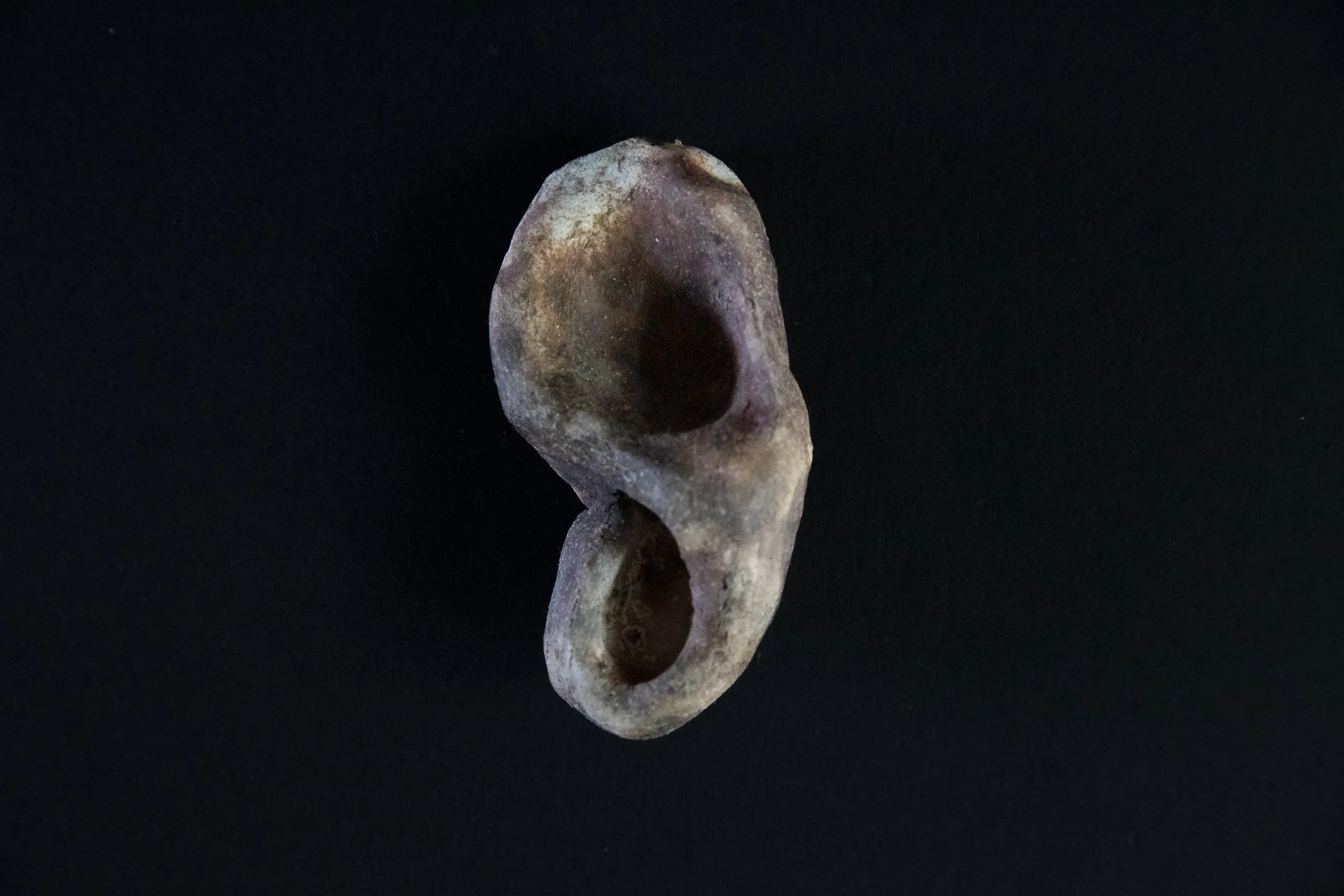
Work by Marge
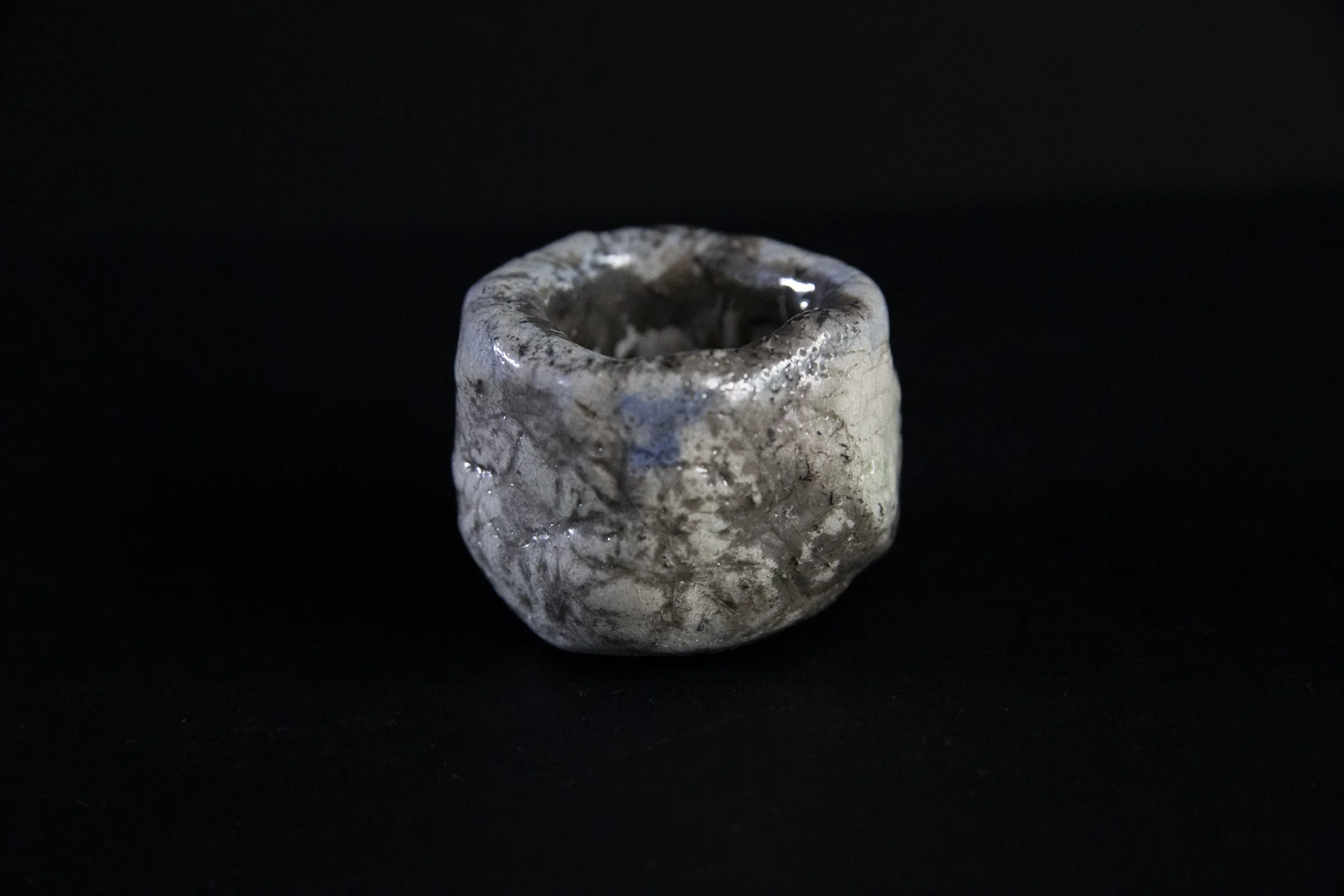
Work by Marge
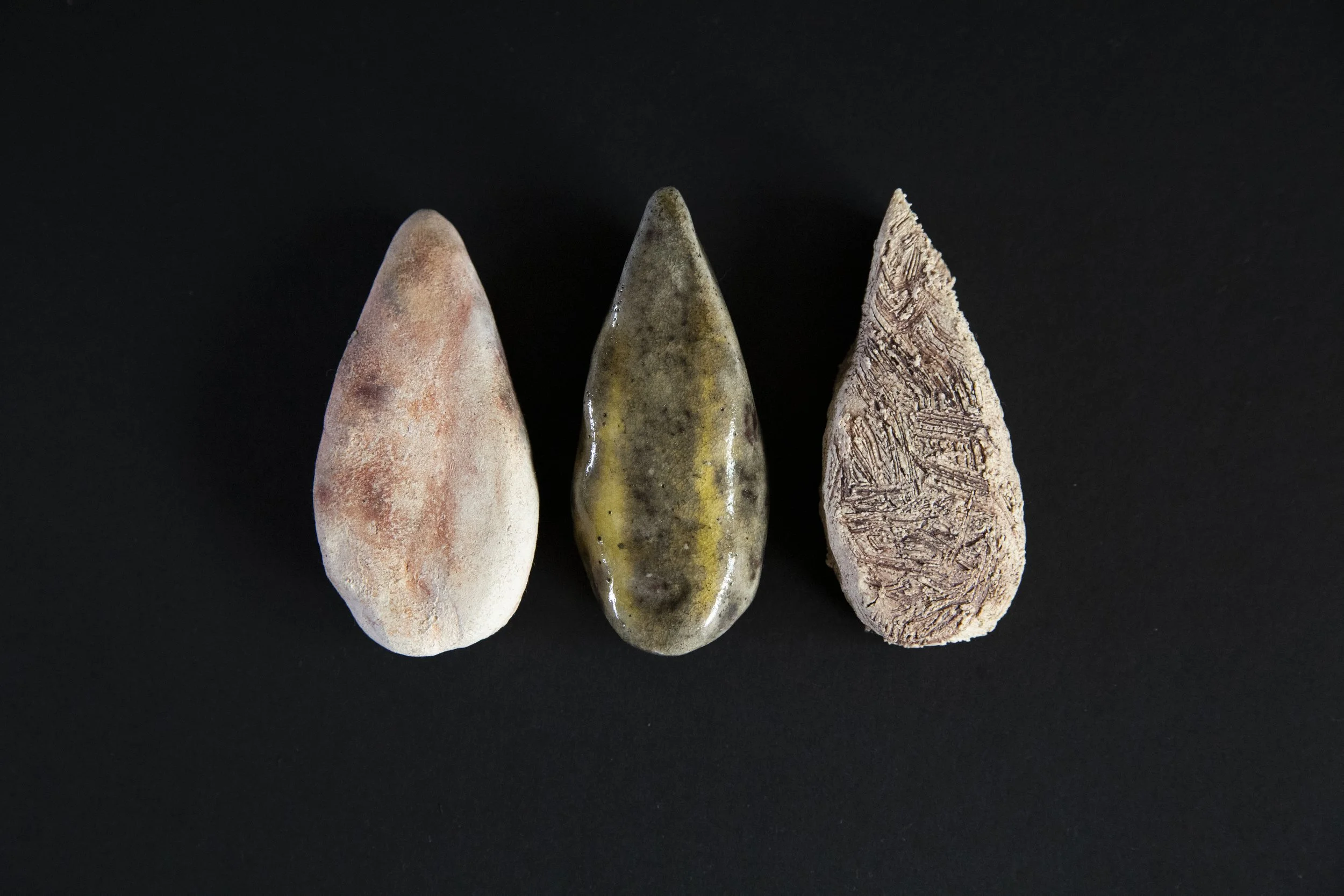
Work by Marge
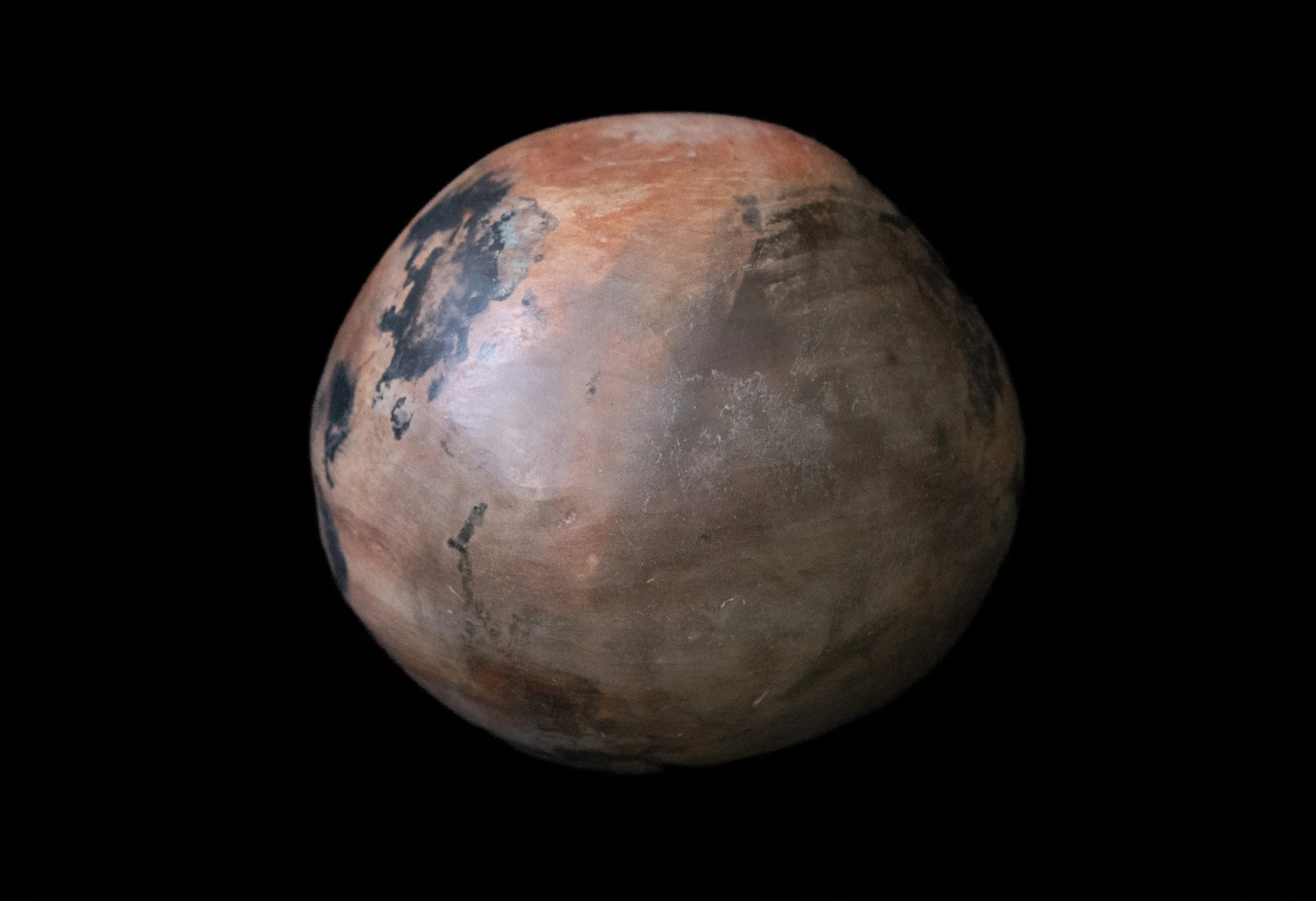
Work by Sarah-Jane
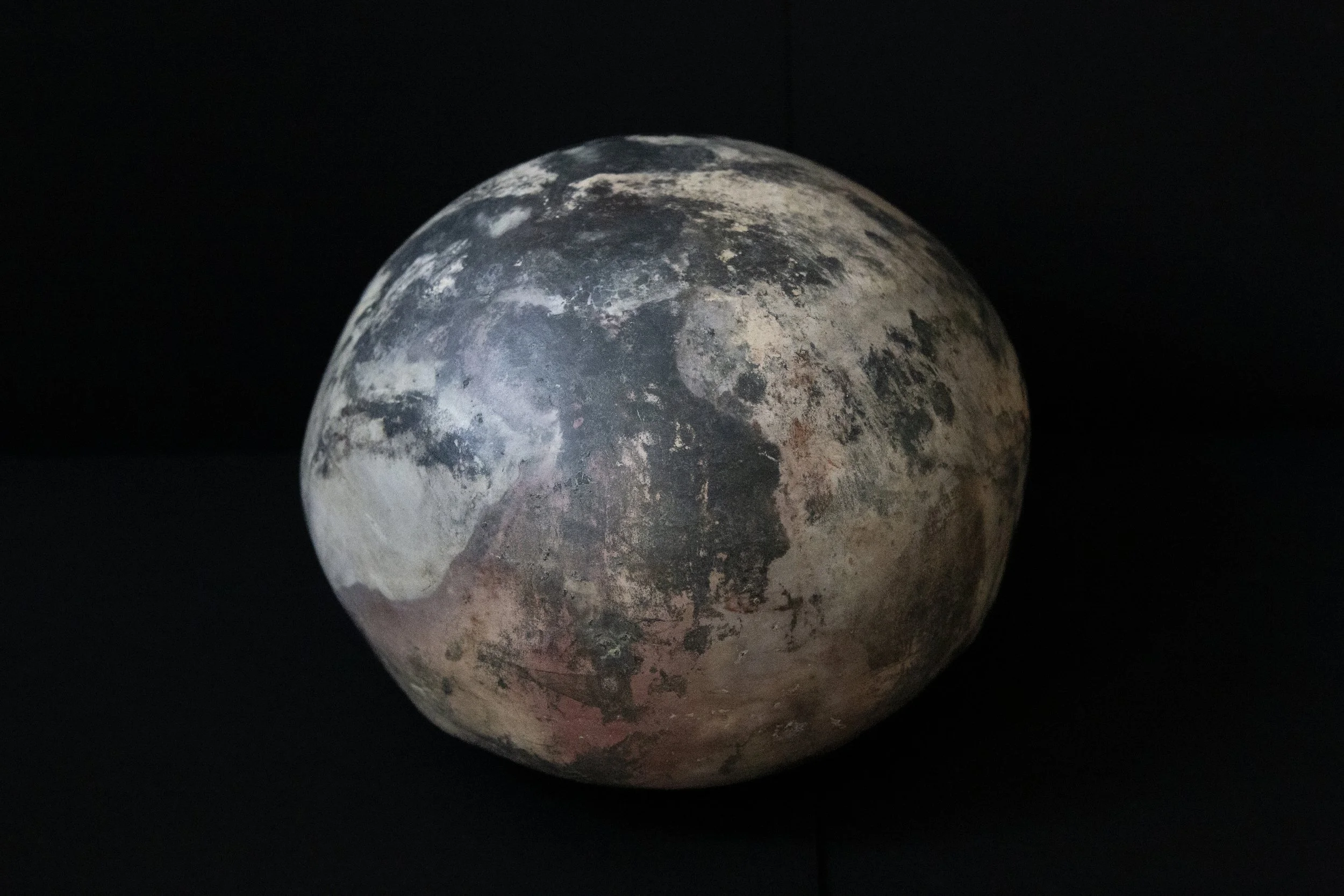
Work by Sarah-Jane
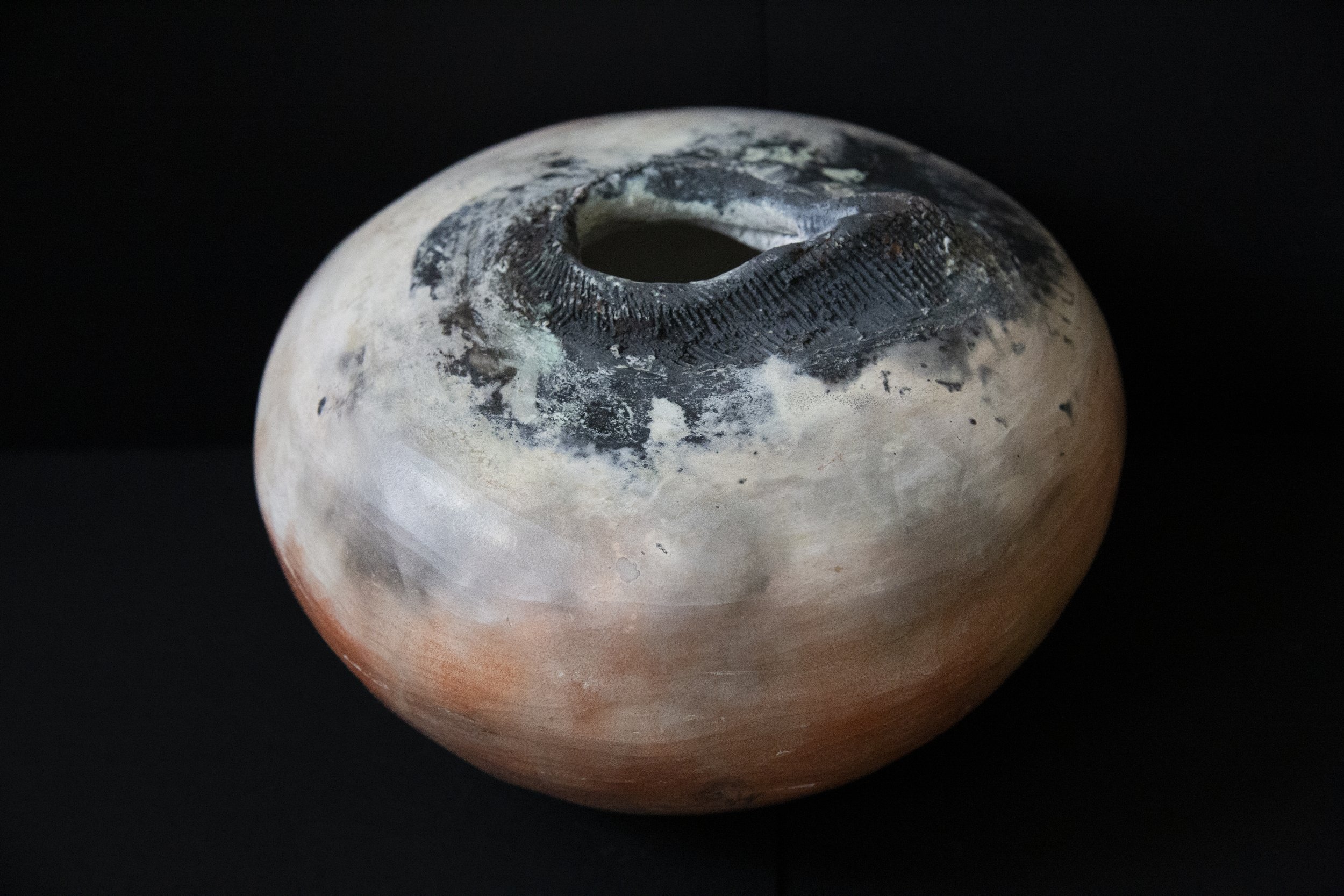
Work by Sarah-Jane
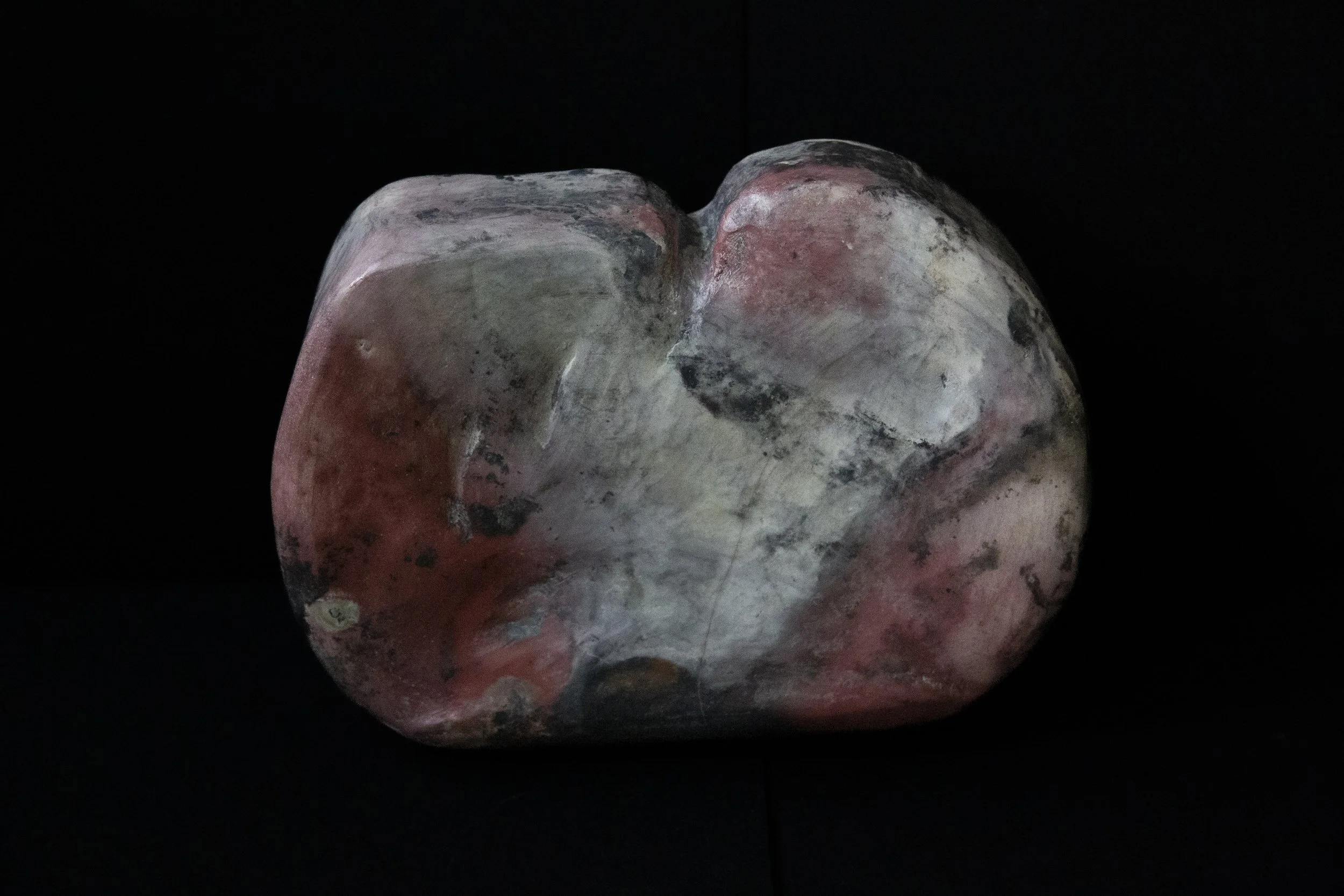
Work by Sarah-Jane
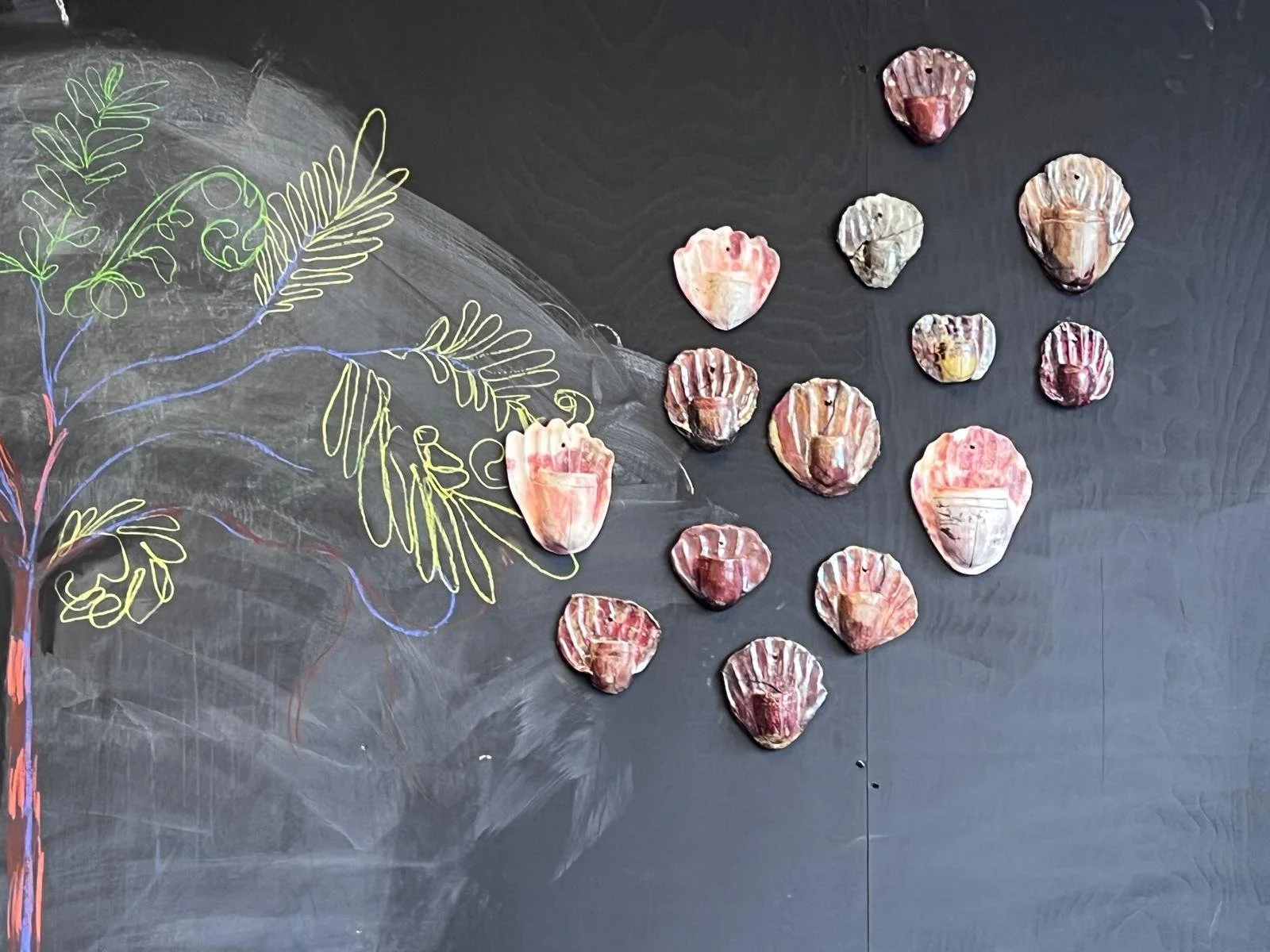
Vulva shrine collaborative piece including work by Bev Meyer (image credit Bev Meyer)
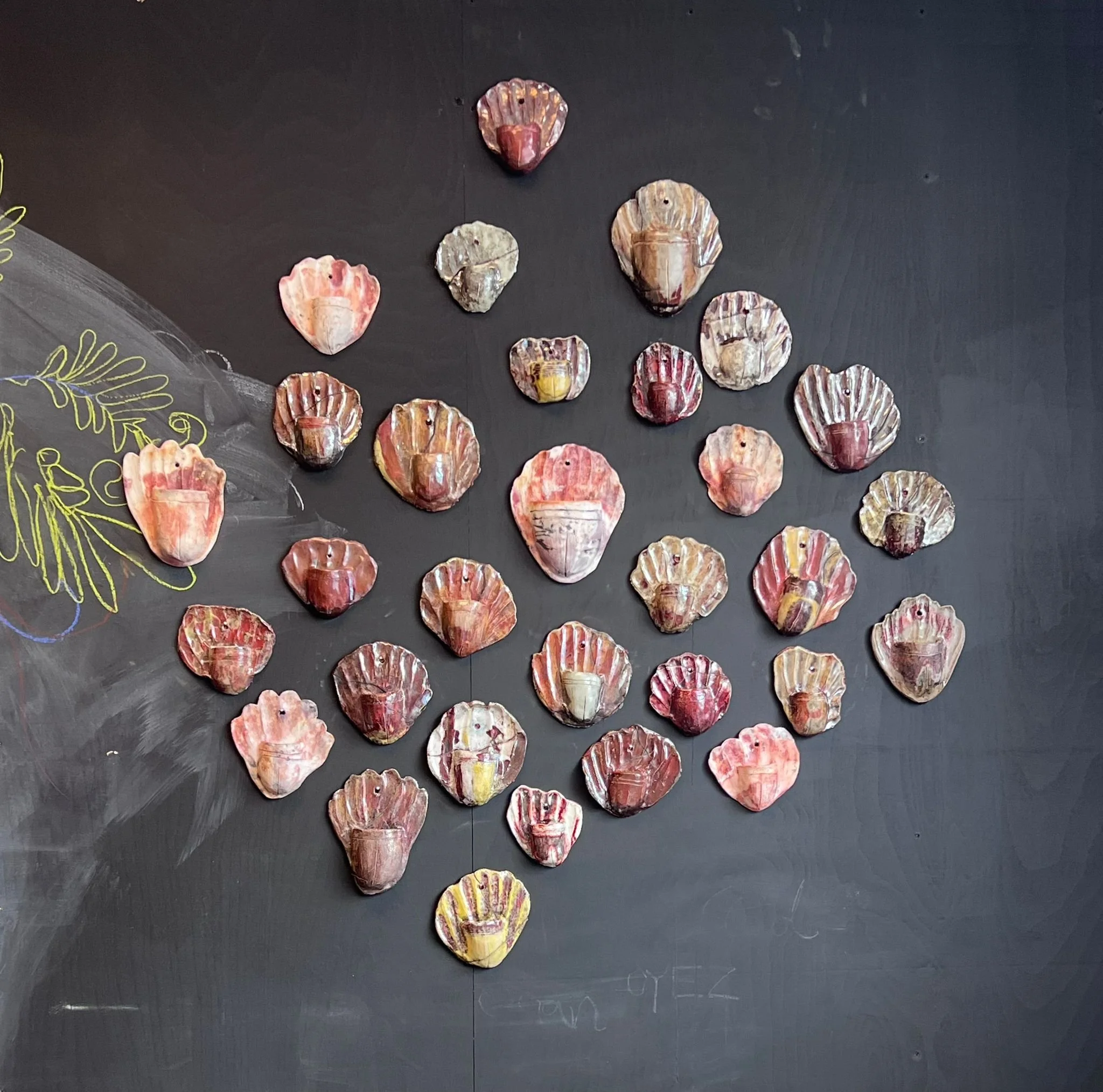
Vulva shrine collaborative piece including work by Bev Meyer (image credit Bev Meyer)
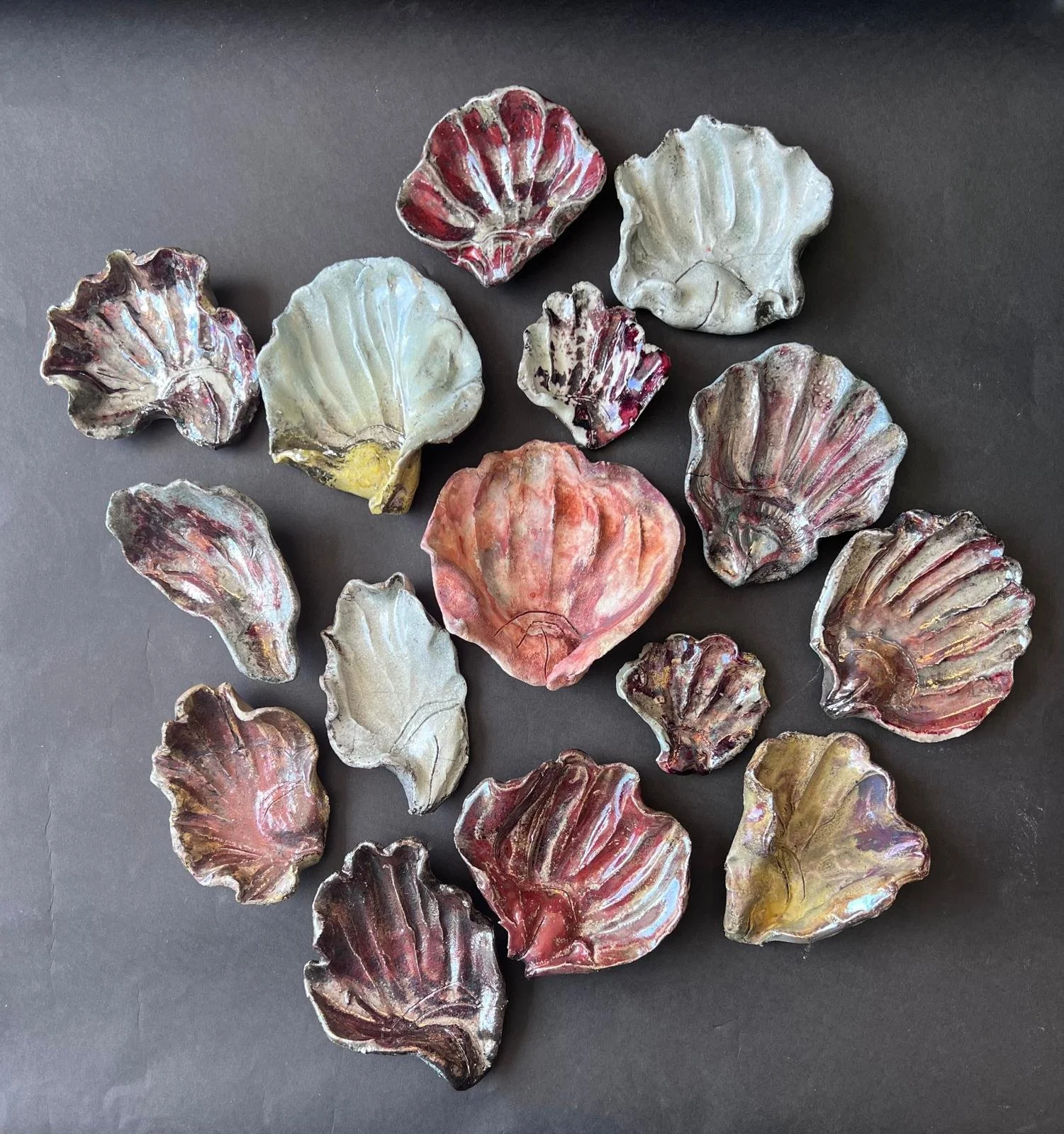
Vulva shrine collaborative piece including work by Bev Meyer (image credit Bev Meyer)
Creative work: self portraits
The group made their own self portraits inspired by our research into how photographers and visual artists use imagery in different ways to tell stories.
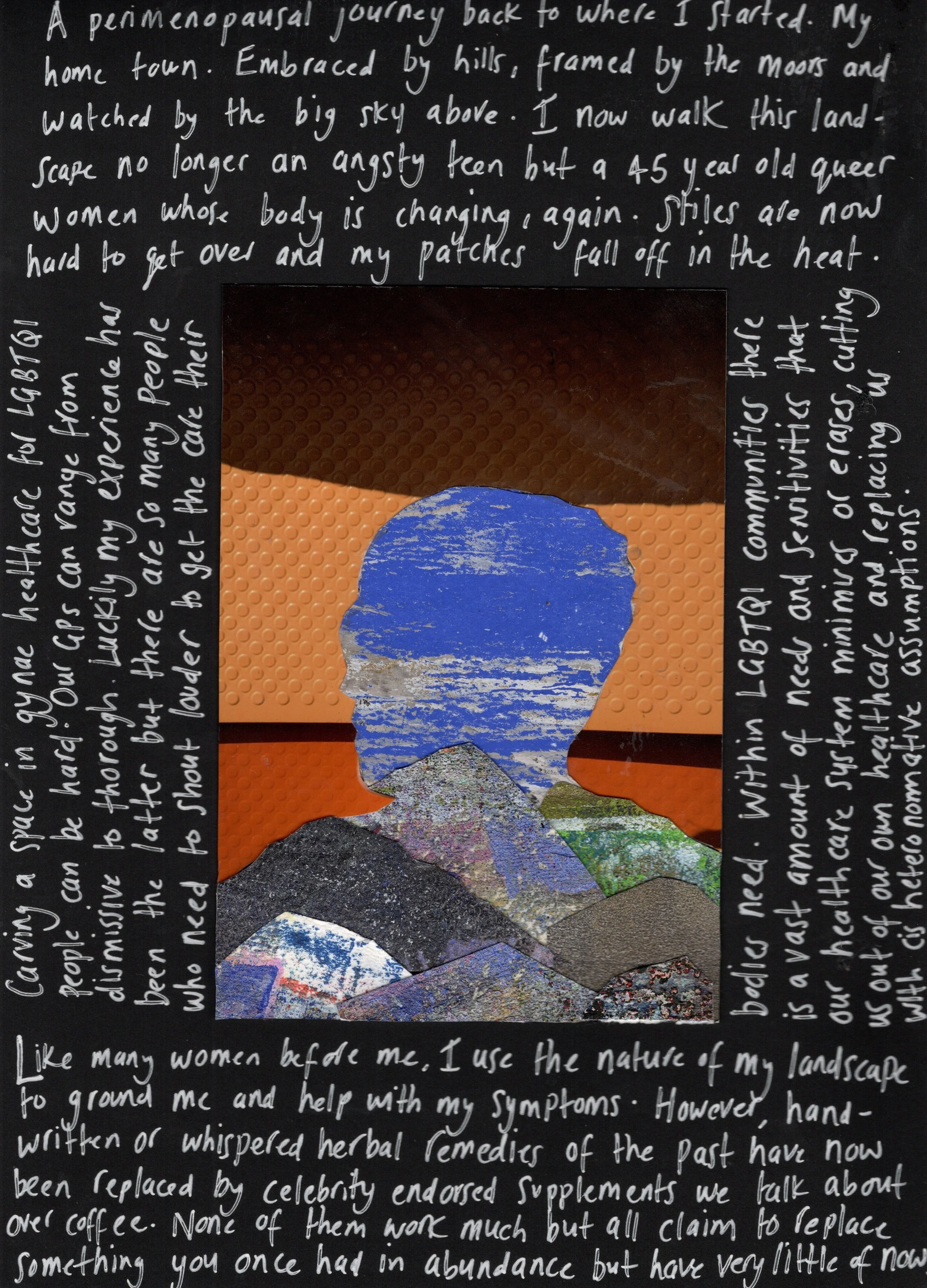
The below gallery shares some of the group’s work to date, using a range of approaches including light painting, photography and collage. As part of our initial ‘getting to know you’ activities, the group also took documentary images and created annotated artworks which you can also see below.
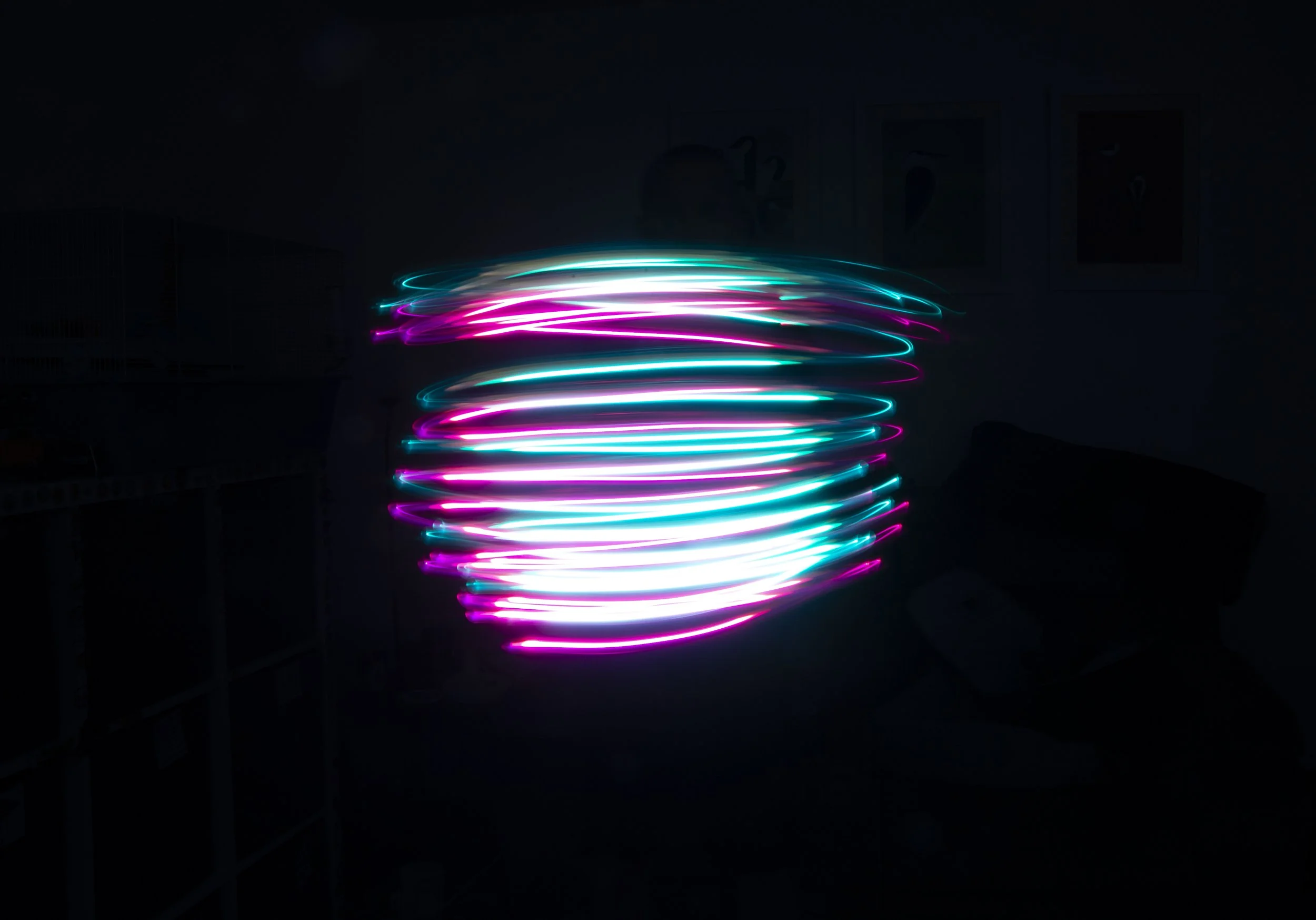
Self portrait by Alex
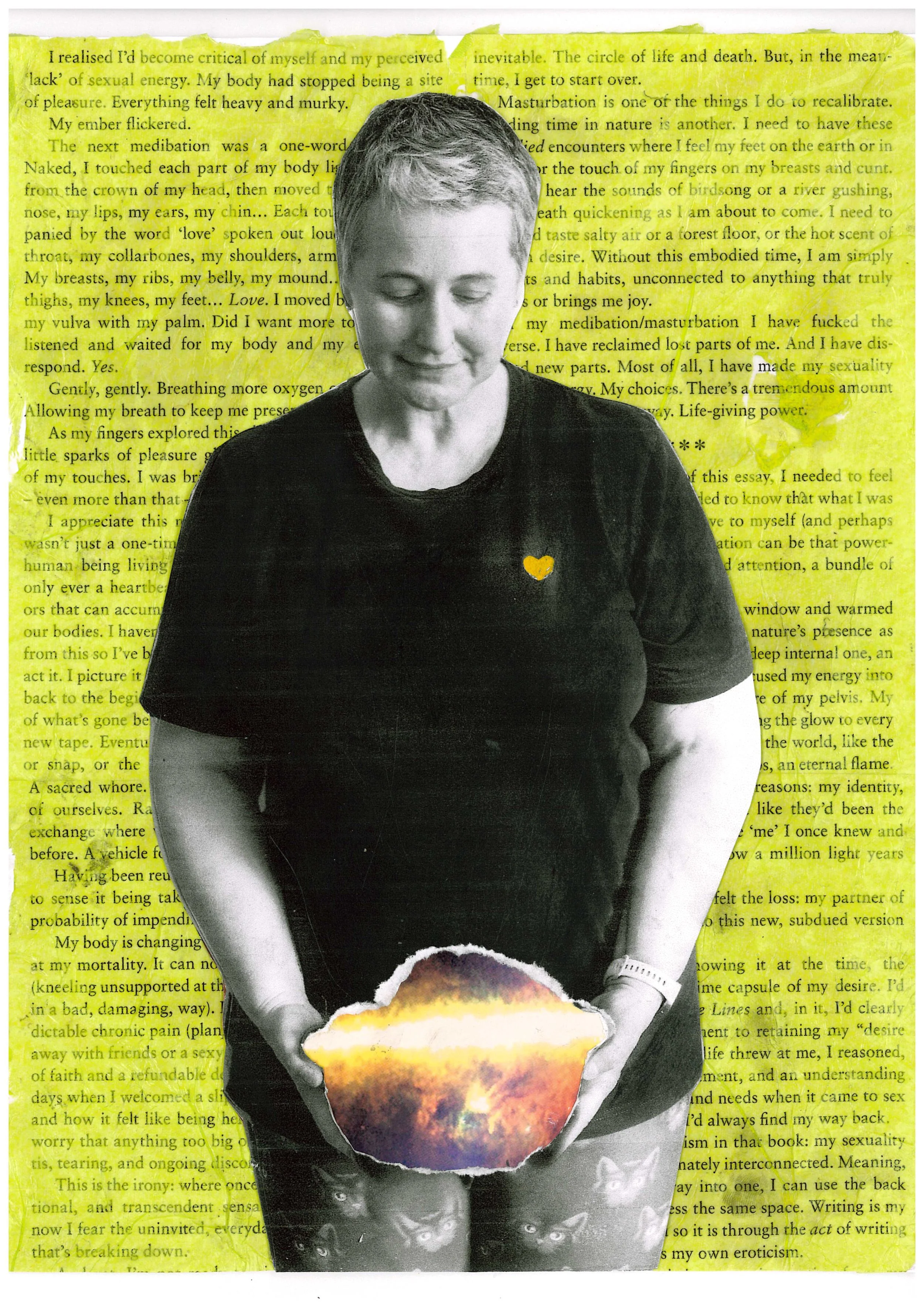
Self portrait by Anna Sansom
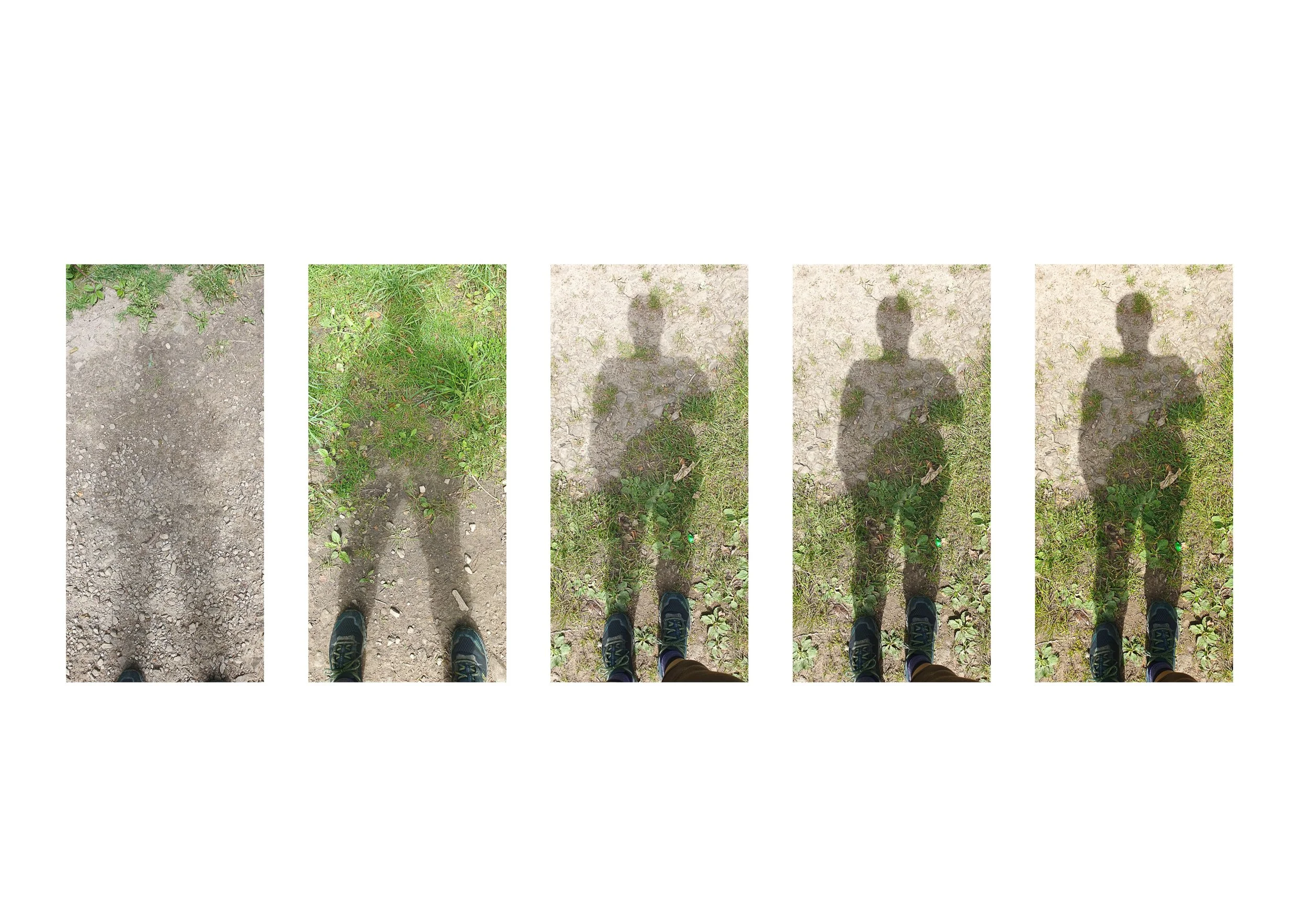
Self portrait by Sarah Martin
Self portrait by Kate Hardy
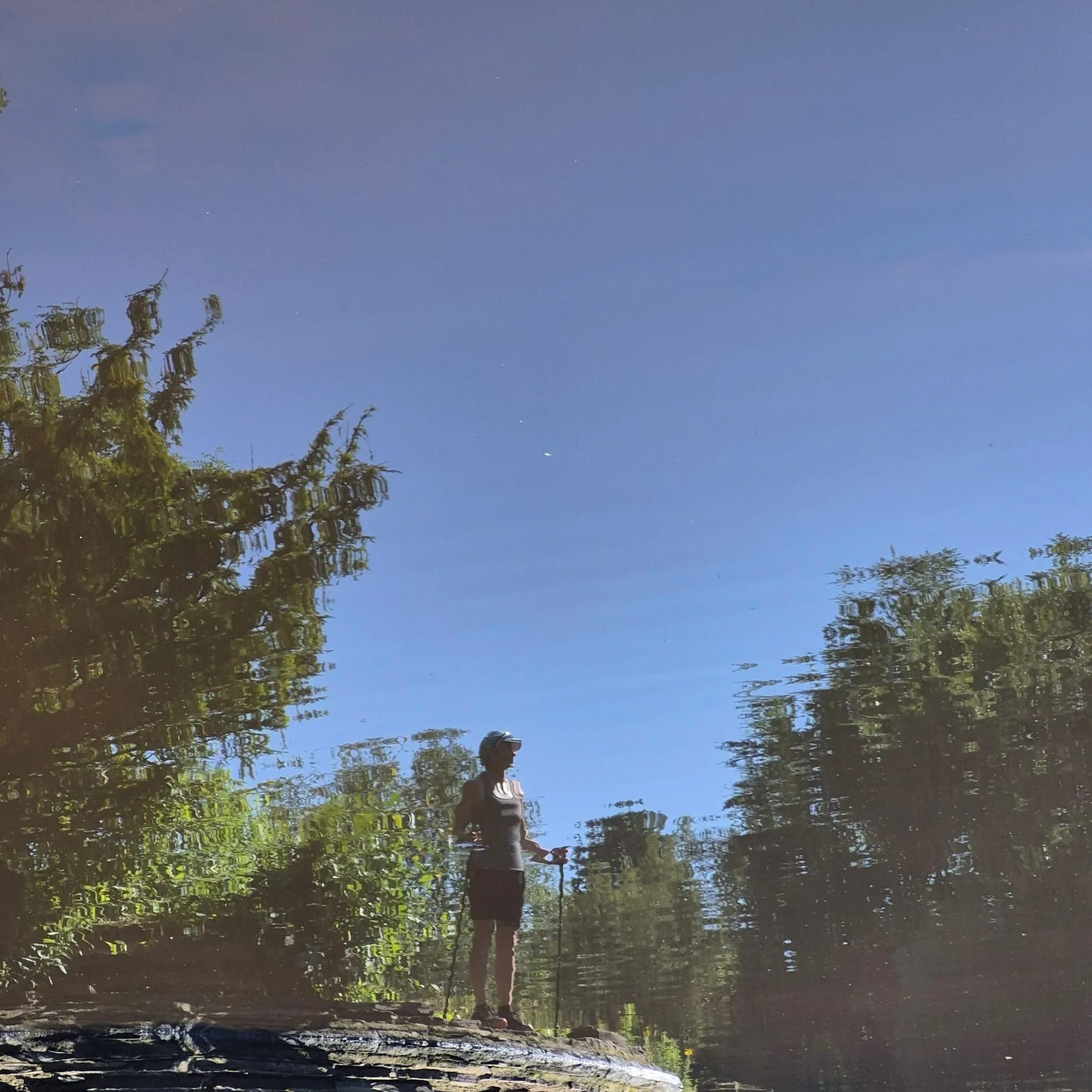
Self portrait by Paula Dalziel
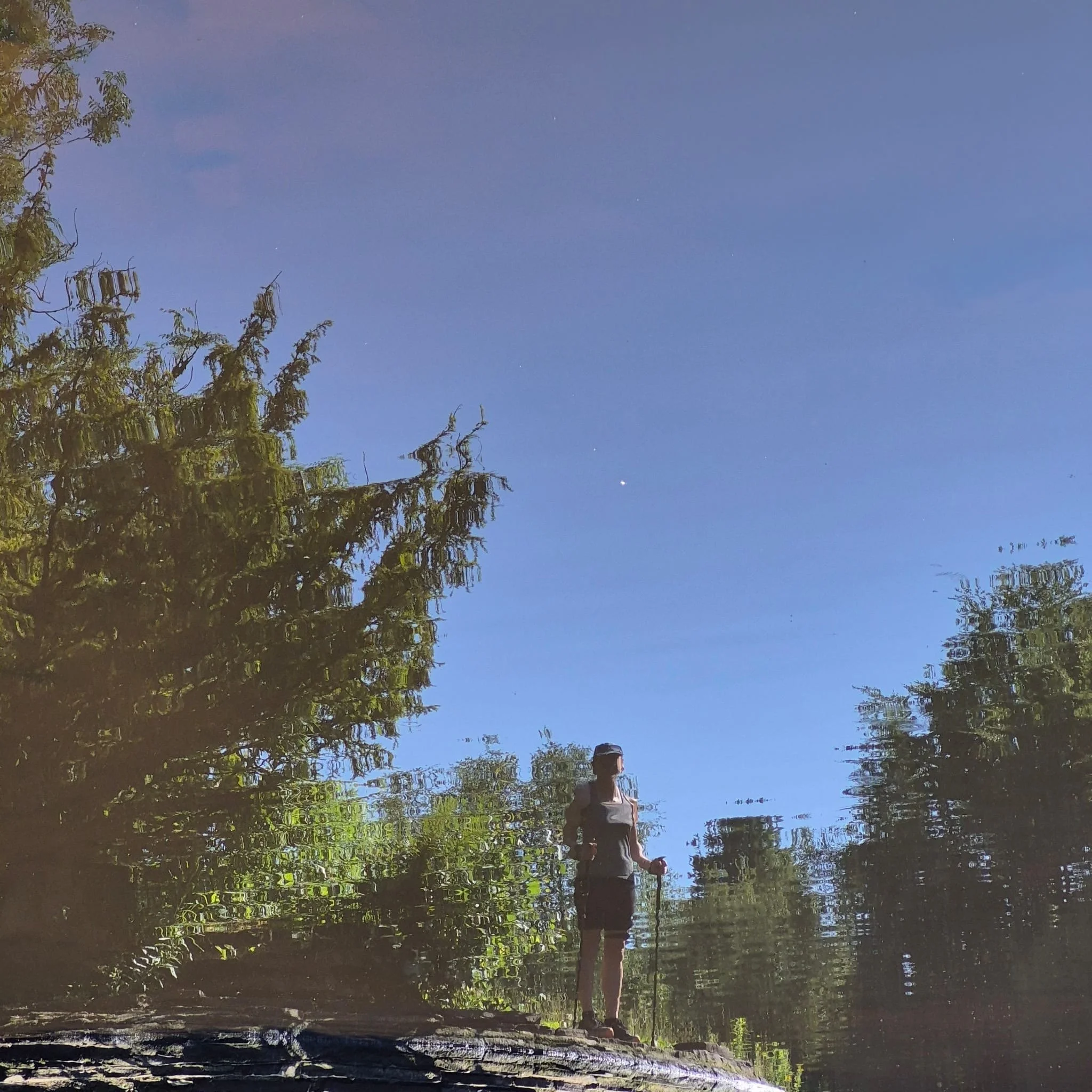
Self portrait by Paula Dalziel
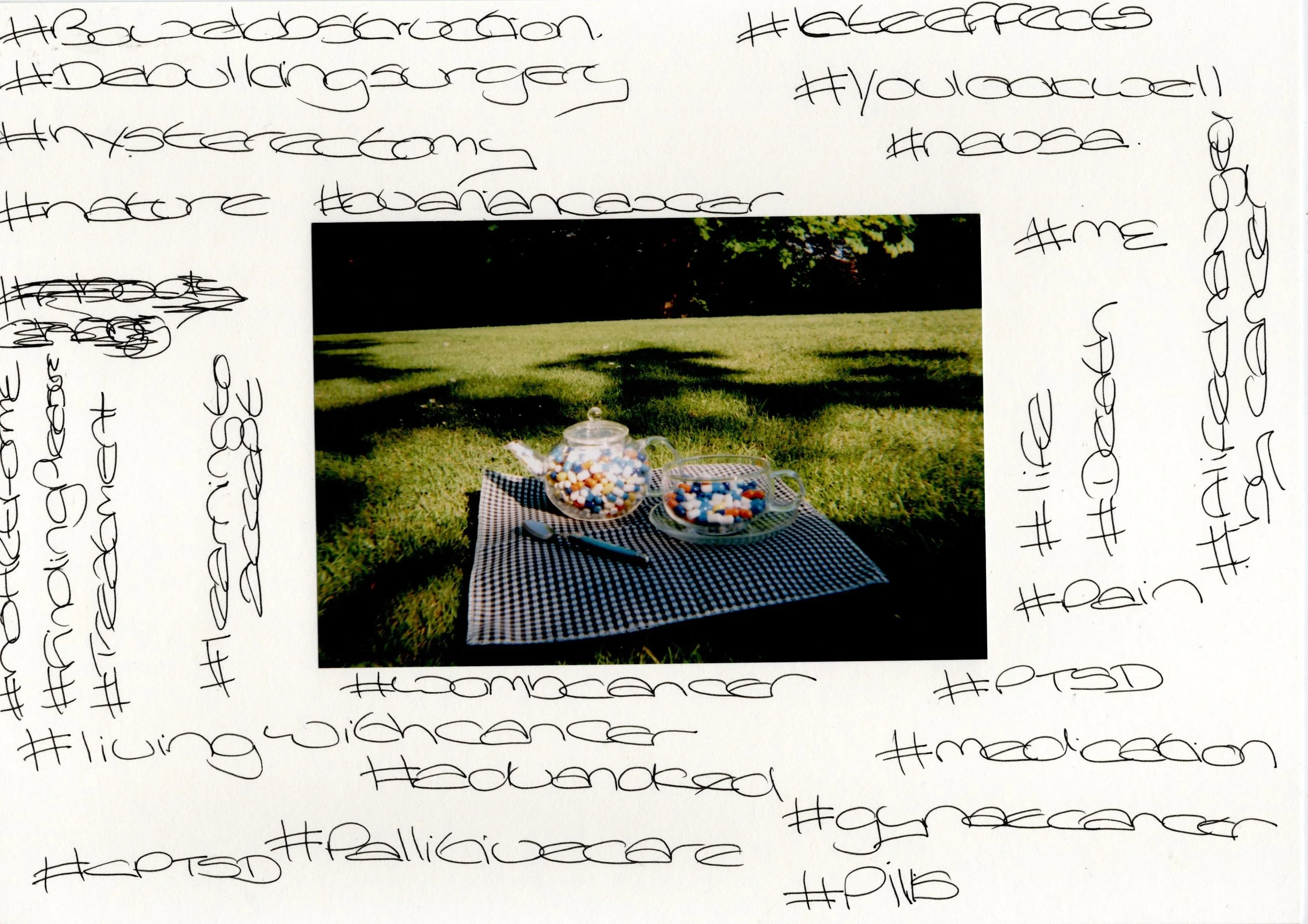
Annotated photography by Sarah-Jane
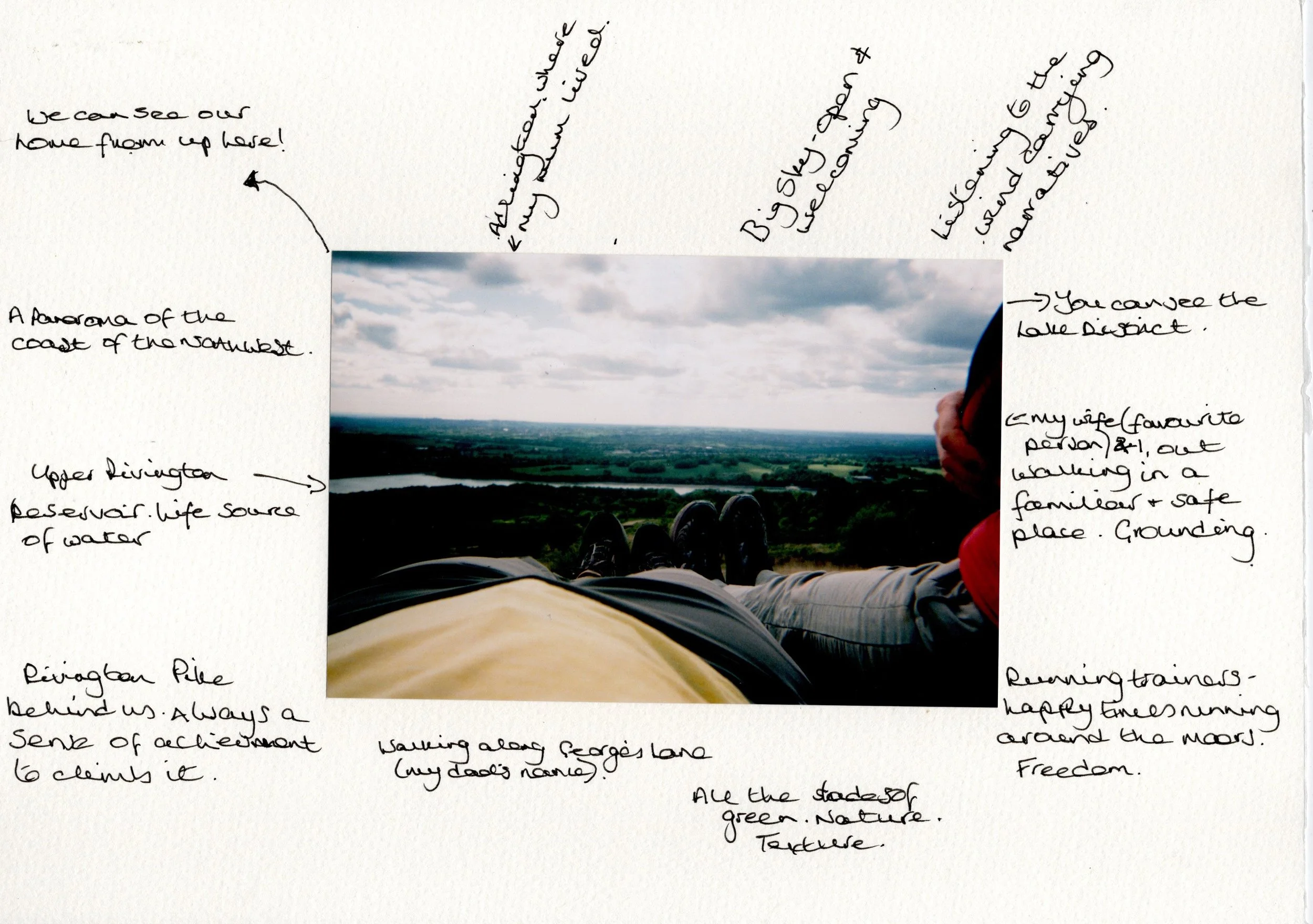
Annotated photography by Sarah Martin
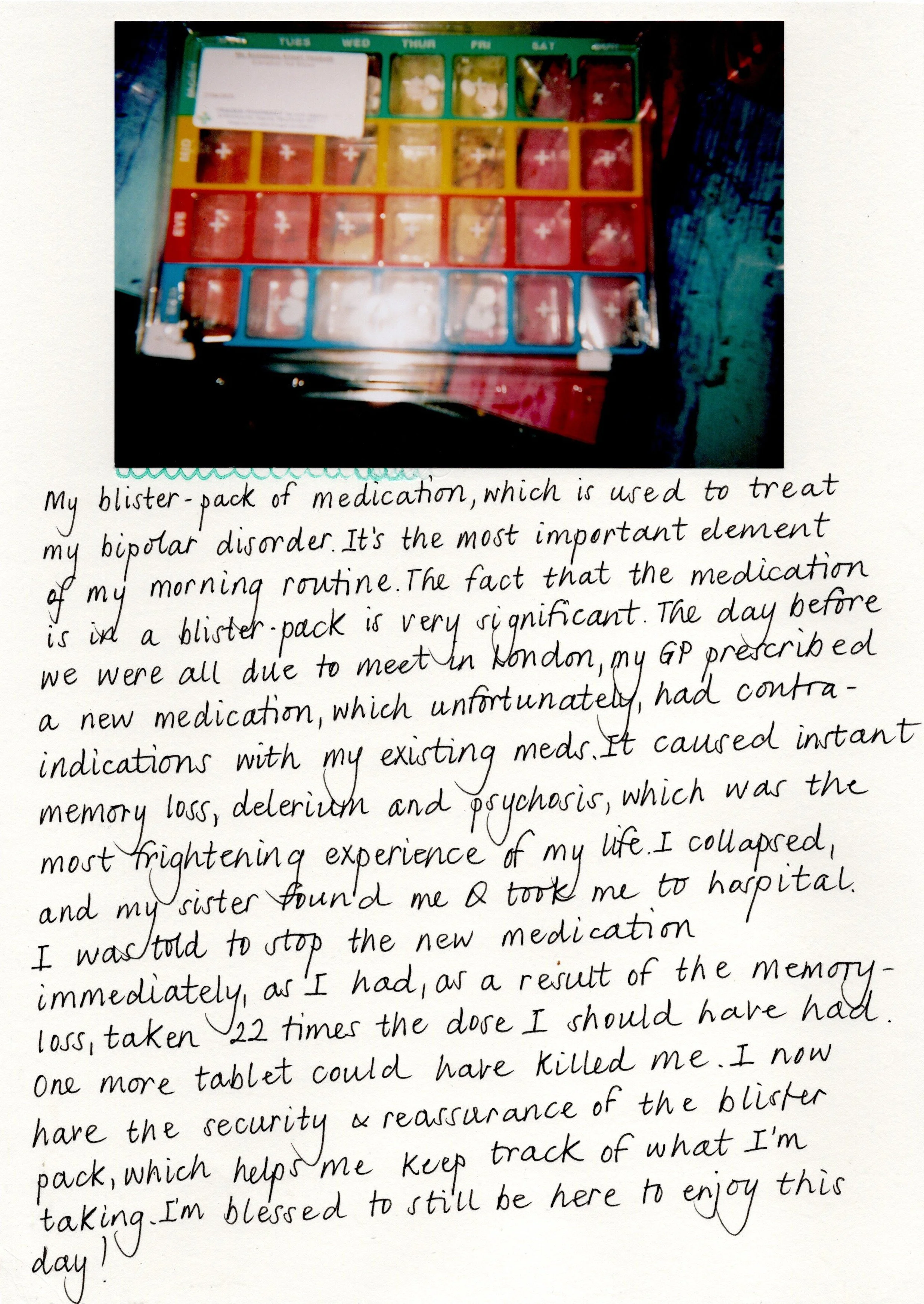
Annotated photography by Anastasia Hesketh
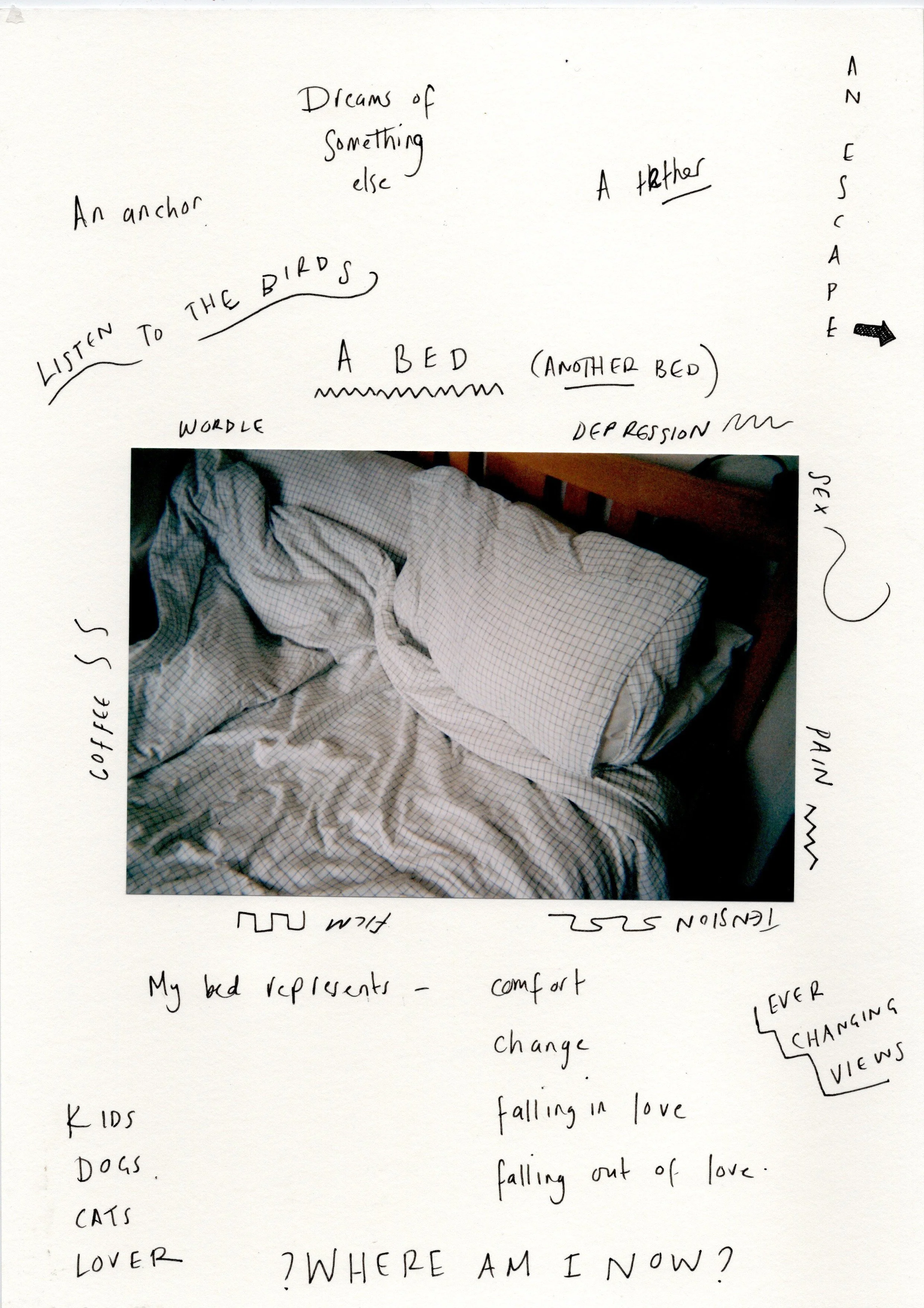
Annotated photograph by Kate Hardy
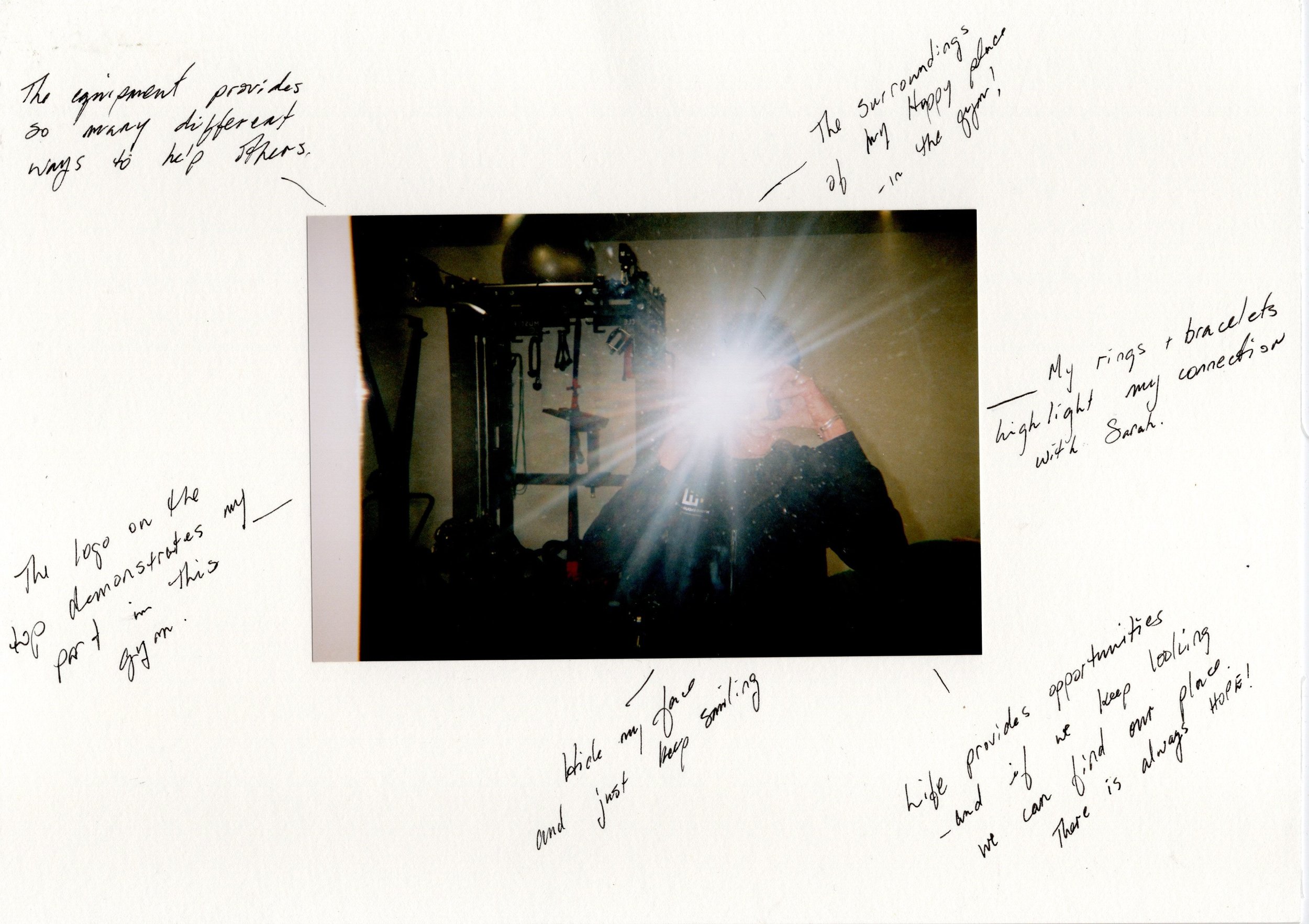
Annotated photography by Paula Dalziel
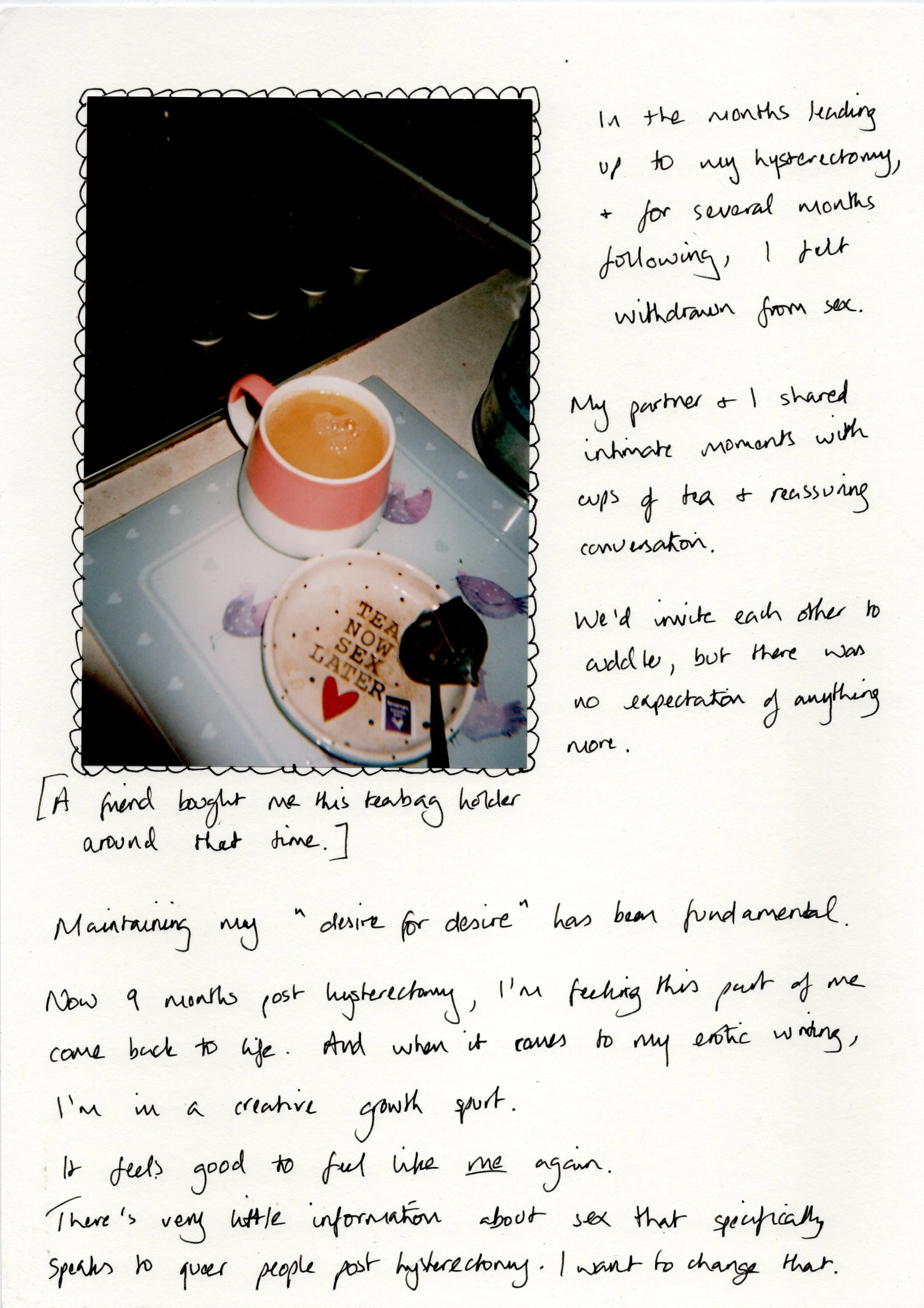
Annotated photograph by Anna Sansom
Creative work: alternative photographic processes inspired by wellcome collection recipe books
For much of history, the womb was seen as an unpredictable and misbehaving organ, responsible for a wide range of physical and emotional complaints. Inspired by historical fumigation and herbal remedies, we’ve been experimenting with using different botanical cyanotype toners inspired by various recipe books in the Wellcome Collection.
We’ve produced unique toned cyanotype artworks from organic materials, collection images and also created anthotypes using herbal emulsions. I’ve been keeping a diary of the different herbal and botanical remedies and how they’ve translated to alternative photographic processes, including the cyanotype and anthotype animations below. You can read more about those here.
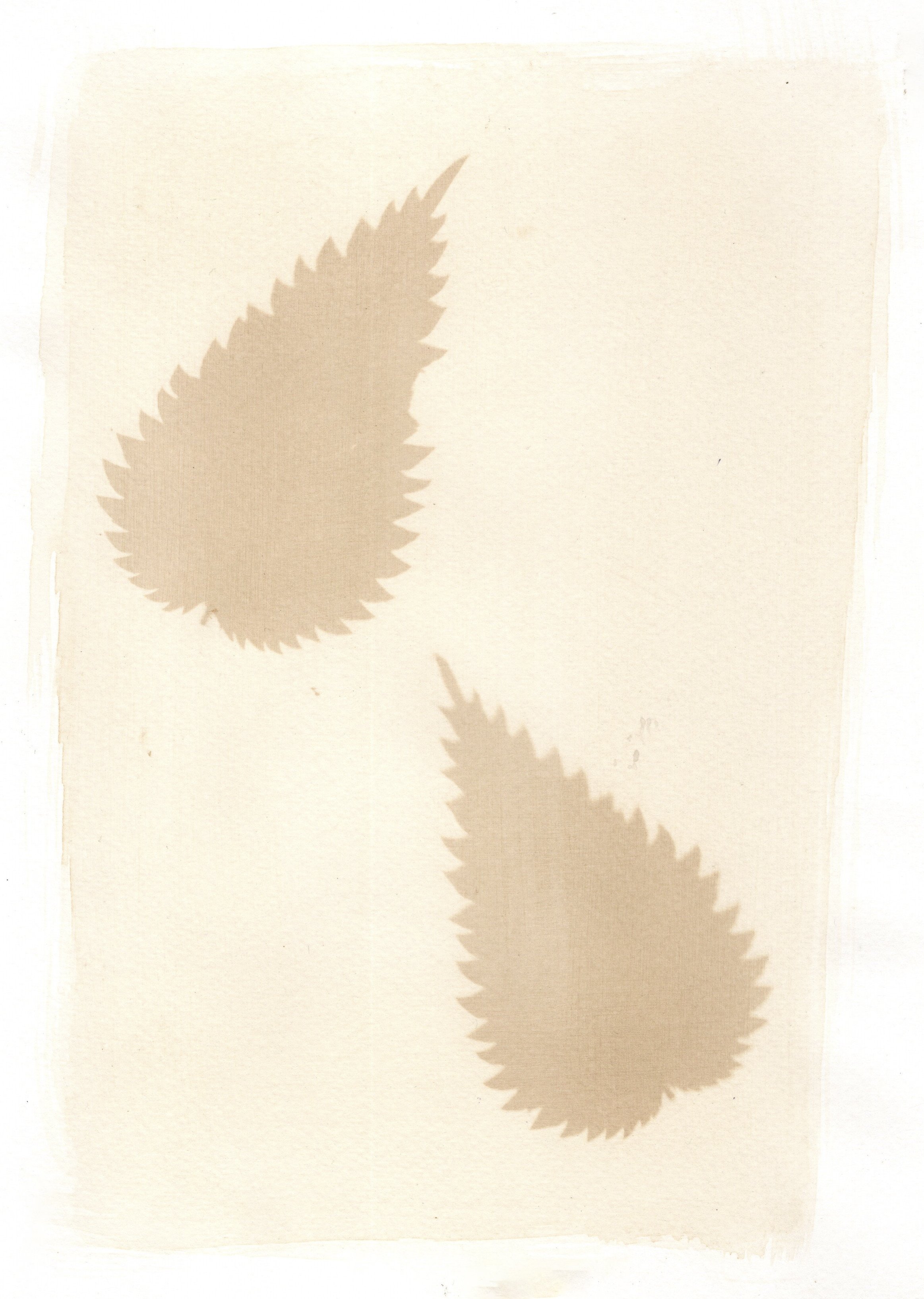
Nettle anthotype by Marge
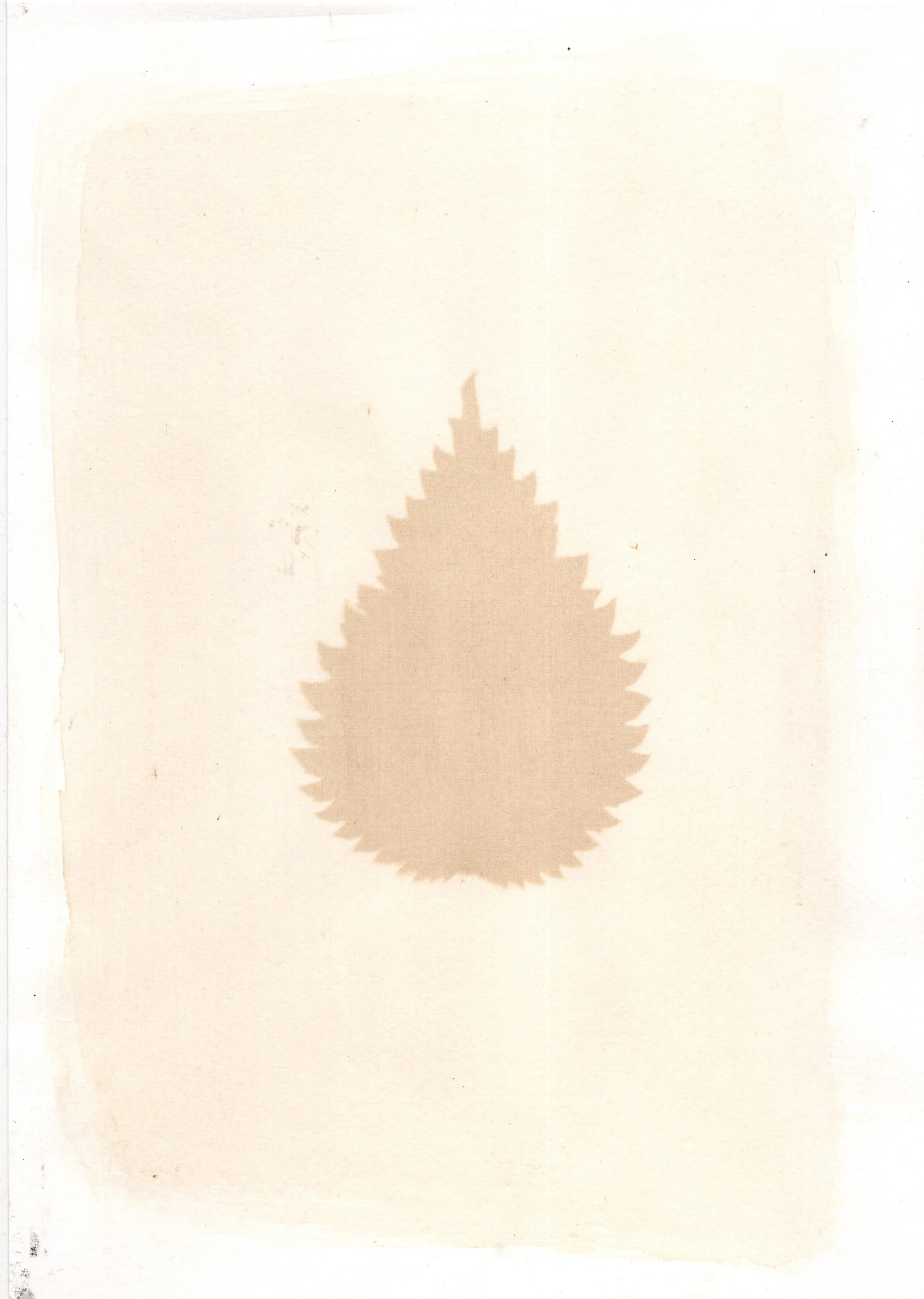
Nettle anthotype by Marge
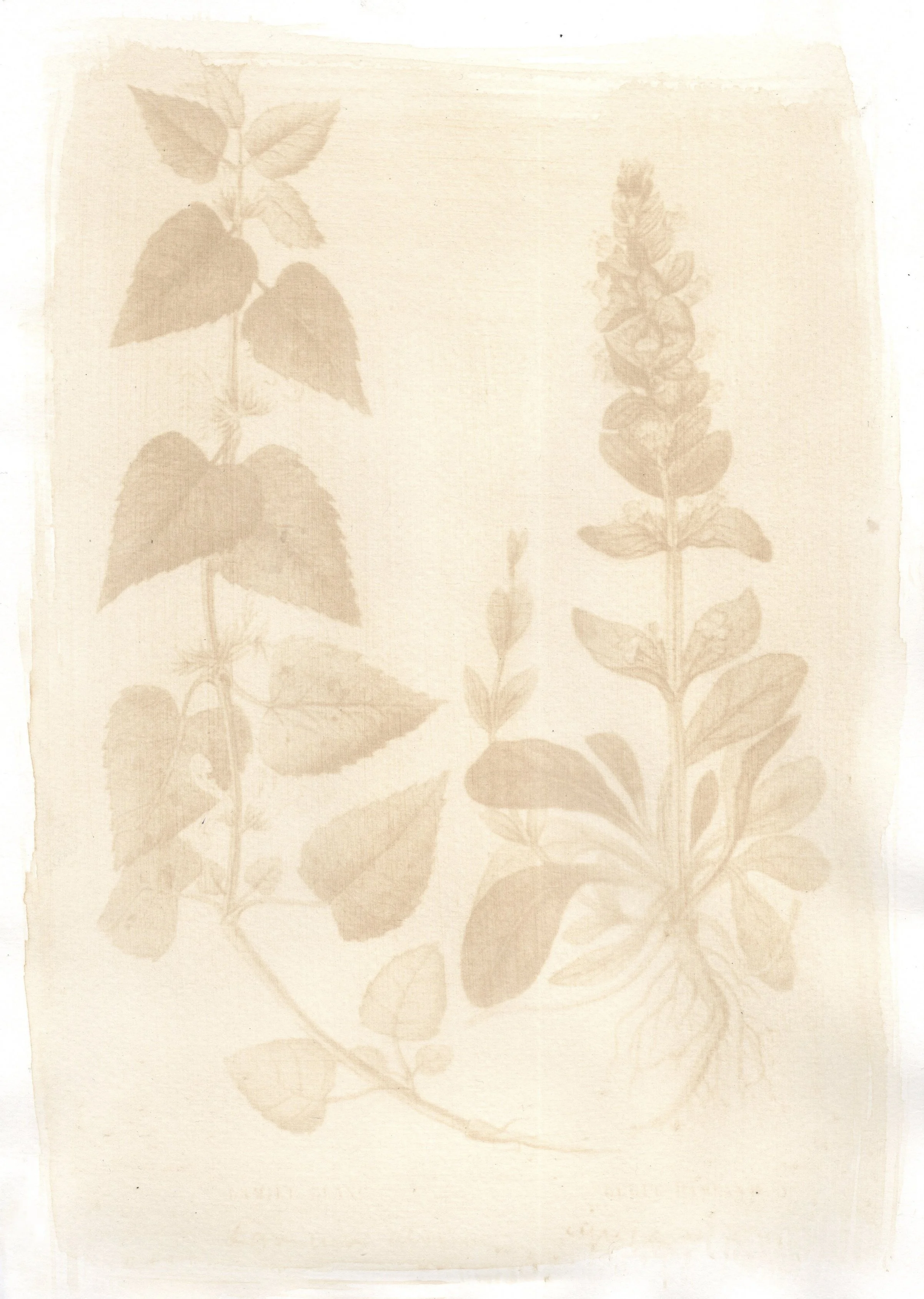
Nettle anthotype using original image ‘White dead nettle (Lamium album) and common bugle (Ajuga reptans): entire flowering plants. Coloured etching by C. Pierre, c. 1865, after P. Naudin.' Wellcome Collection
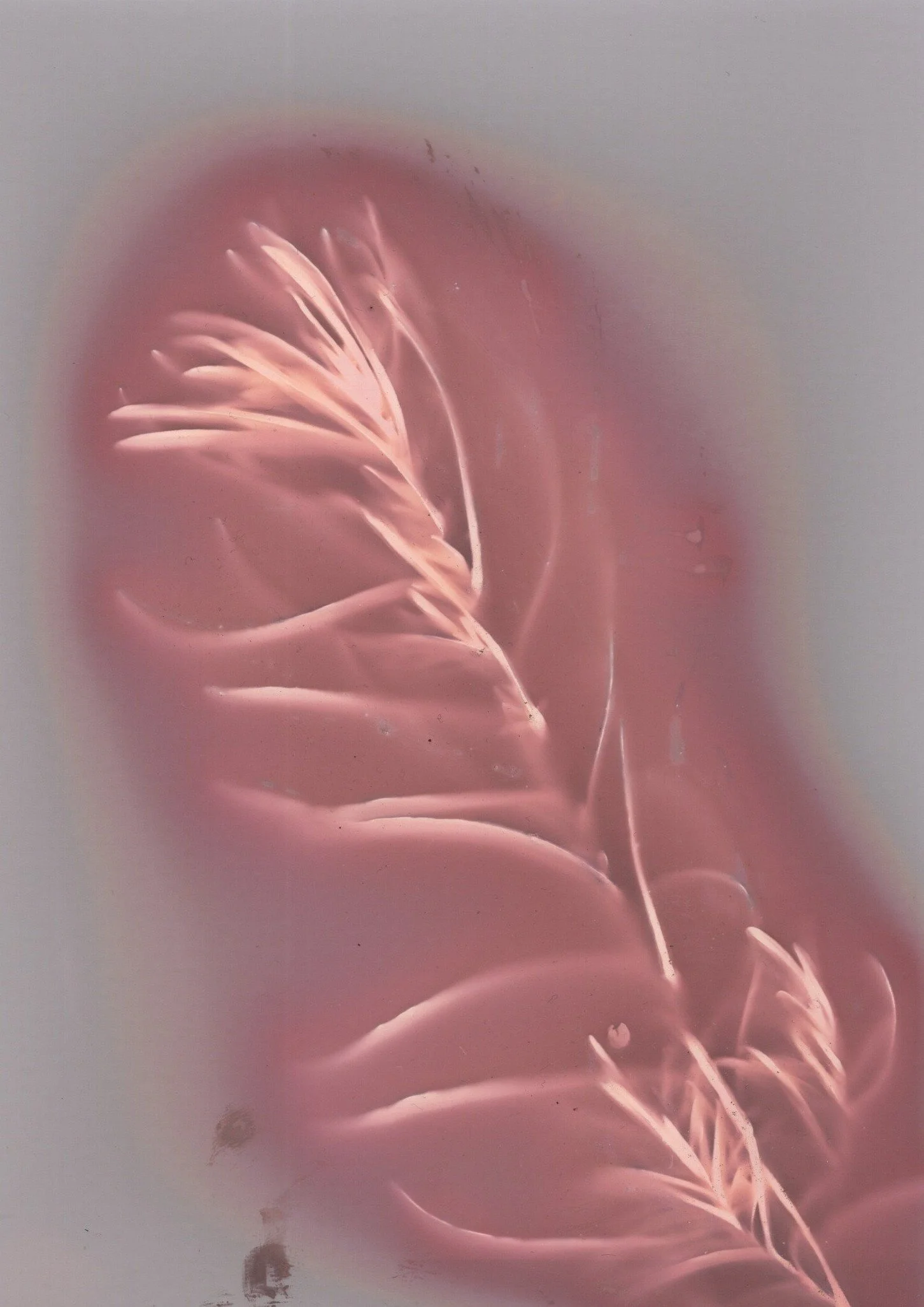
Lumen print by Marge
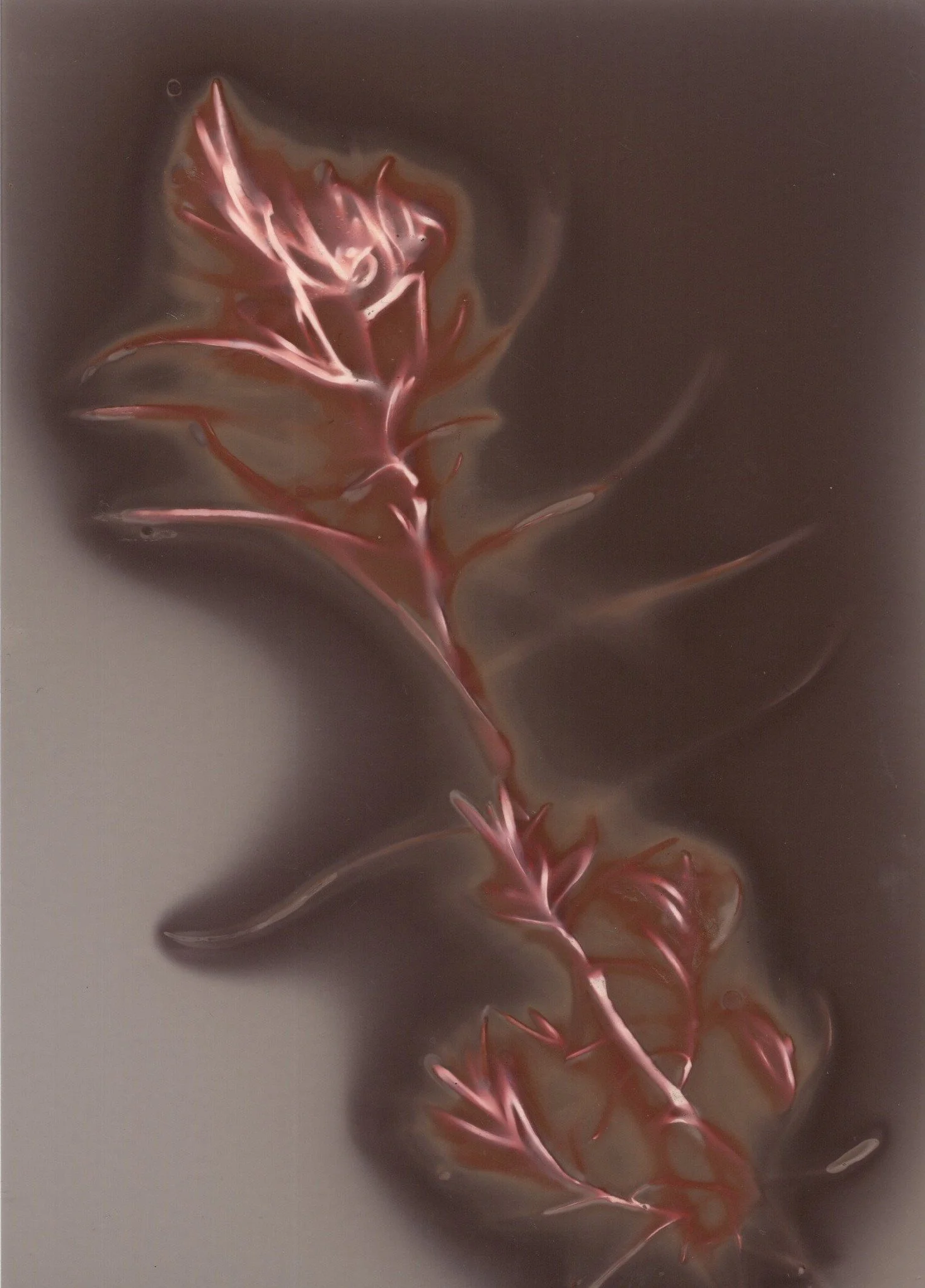
Lumen print by Marge
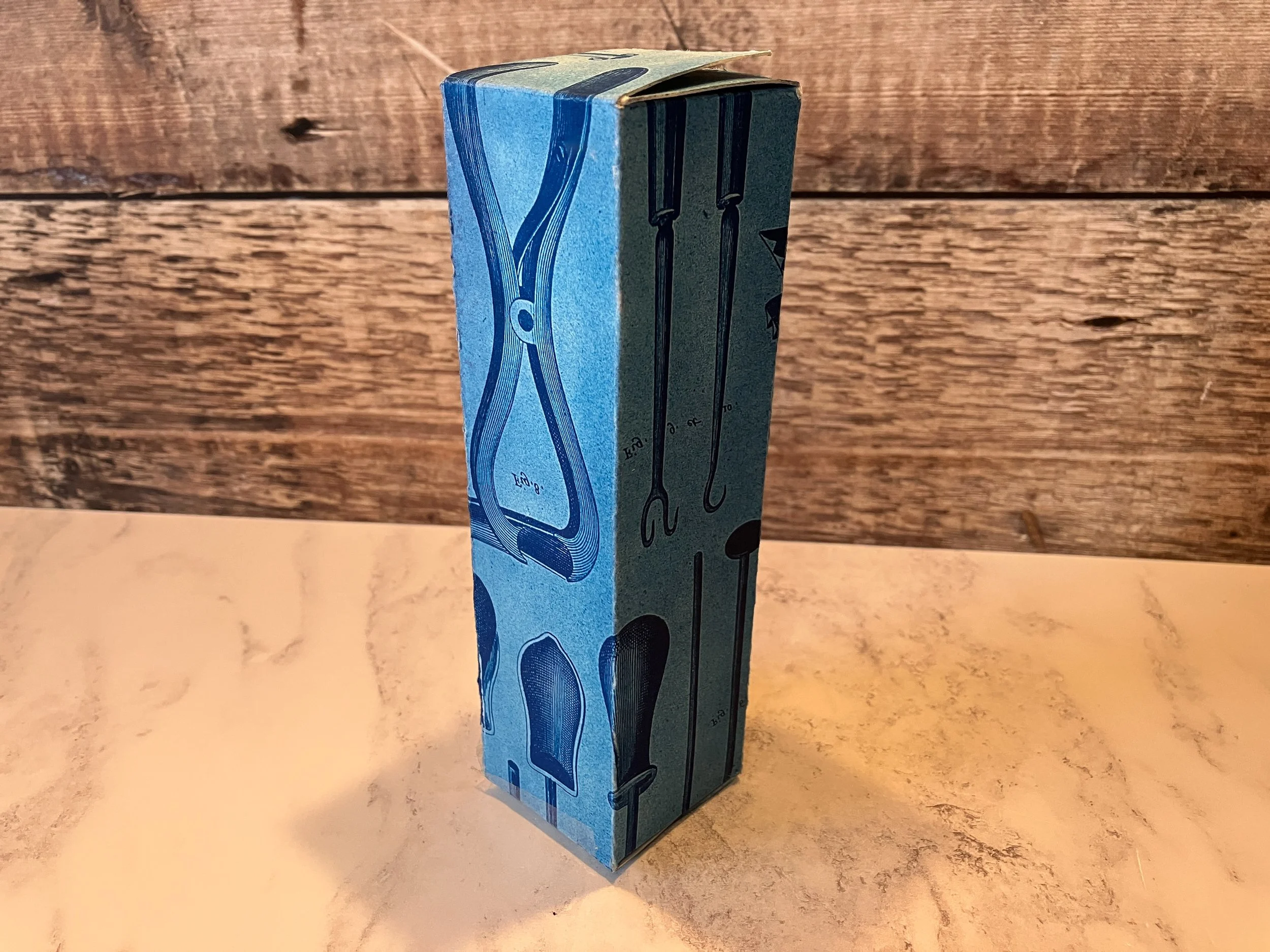
Oestrogel box prototype using digital image of engraving with etching from the Wellcome Collection. Credit: Surgery: surgical instruments, including a speculum for the uterus and a speculum for the anus. Engraving with etching by B.L. Prevost after L.-J. Goussier. Wellcome Collection.
![left - original end paper from ‘A treatise of vapours, or, hysterick fits / John Purcell]. Public Domain Mark. Source: Wellcome Collection.‘ 1707.
middle - new endpaper created using above original digital image of text as unique cyanotype.
right](https://images.squarespace-cdn.com/content/v1/5d2f930e47f3c900016c0ae3/575574d0-6466-46a7-9a10-d5623d95a9ee/Credit+Marge+Bradshaw+Photography-8.jpg)
left - original end paper from ‘A treatise of vapours, or, hysterick fits / John Purcell]. Public Domain Mark. Source: Wellcome Collection.‘ 1707. middle - new endpaper created using above original digital image of text as unique cyanotype. right - new endpaper created using above original digital image of text as unique toned cyanotype using mint.

Nettle anthotype by Marge

Unique cyanotype toned in green tea using original digital image: Pennyroyal (Mentha pulegium) and creeping thyme (Thymus serpyllum): entire flowering plants. Coloured etching by C. Pierre, c. 1865, after P. Naudin. Wellcome Collection. Source: Wellcome Collection.

Unique cyanotype toned in green tea using original digital image: HPV in cervical epithelium. NIMR, Francis Crick Institute. Source: Wellcome Collection.

Unique cyanotype toned in green tea, using original digital image: A diagram demonstrating different kinds of forceps, and their use in childbirth. Lithograph by G. Scharf. Wellcome Collection. Source: Wellcome Collection.
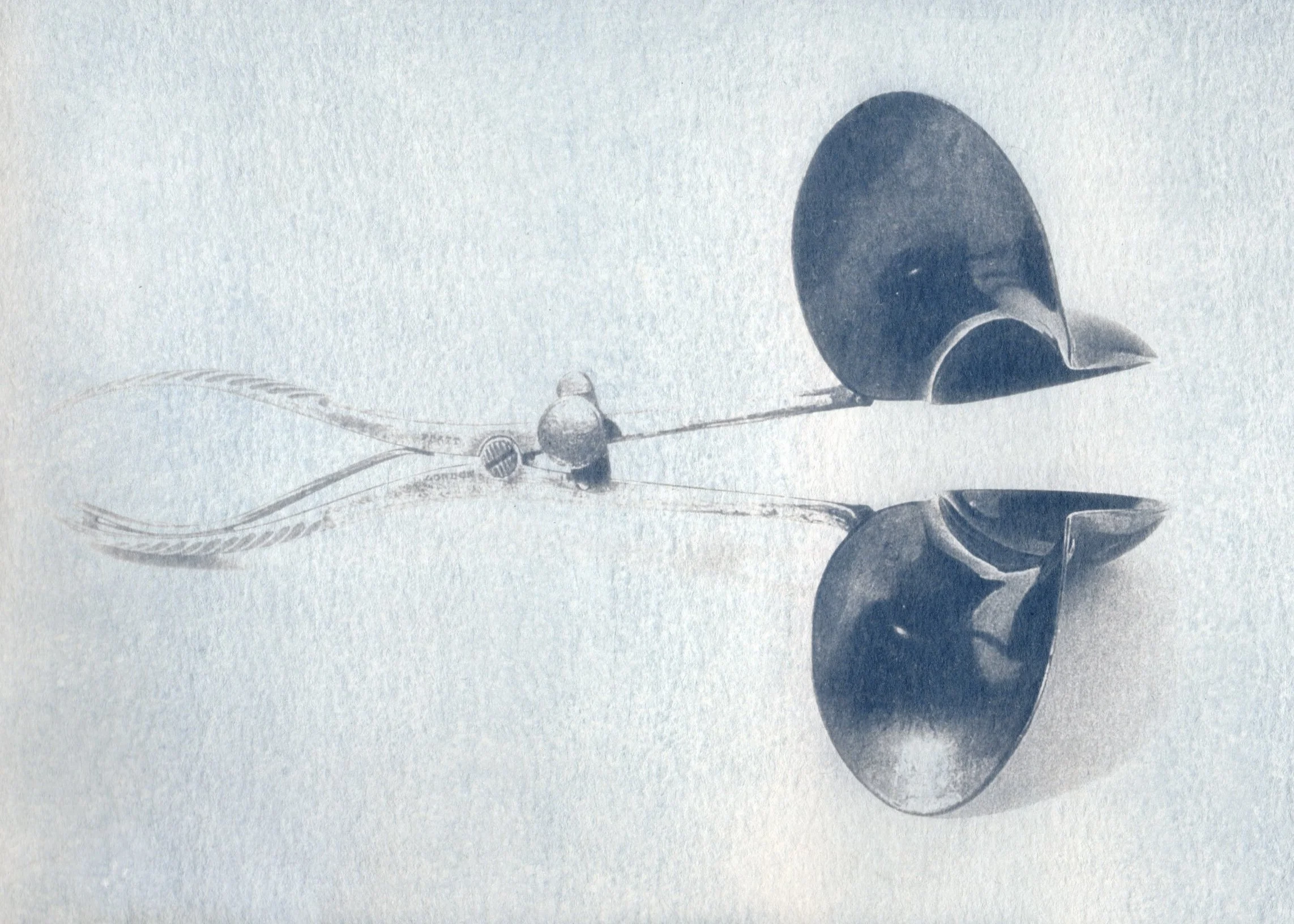
Unique cyanotype using original digital image: Double spoon-bowl obstetric speculum. Wellcome Collection.

Unique cyanotype toned in rosemary using original digital image: Obstetric speculum, Coxeter. Wellcome Collection.

Unique cyanotype using original digital image: Marion Sims duck-bill obstetric speculum (skeleton type). Wellcome Collection.

Unique cyanotype using original digital image: four bladed obstetric speculum, Hilliard. Wellcome Collection.

Unique cyanotype using original digital image: bronze vaginal speculum, three blades, Roman. Wellcome Collection.

Unique cyanotype using original digital image: Obstetric speculum, Coxeter. Wellcome Collection.

Unique cyanotype using original digital image: Speculum: wood. Reconstruction of Abulcasis (A.D. 936-1013). Wellcome Collection.

Cyanotype made by Marge Bradshaw from digital image of Roman votive in Wellcome Collection
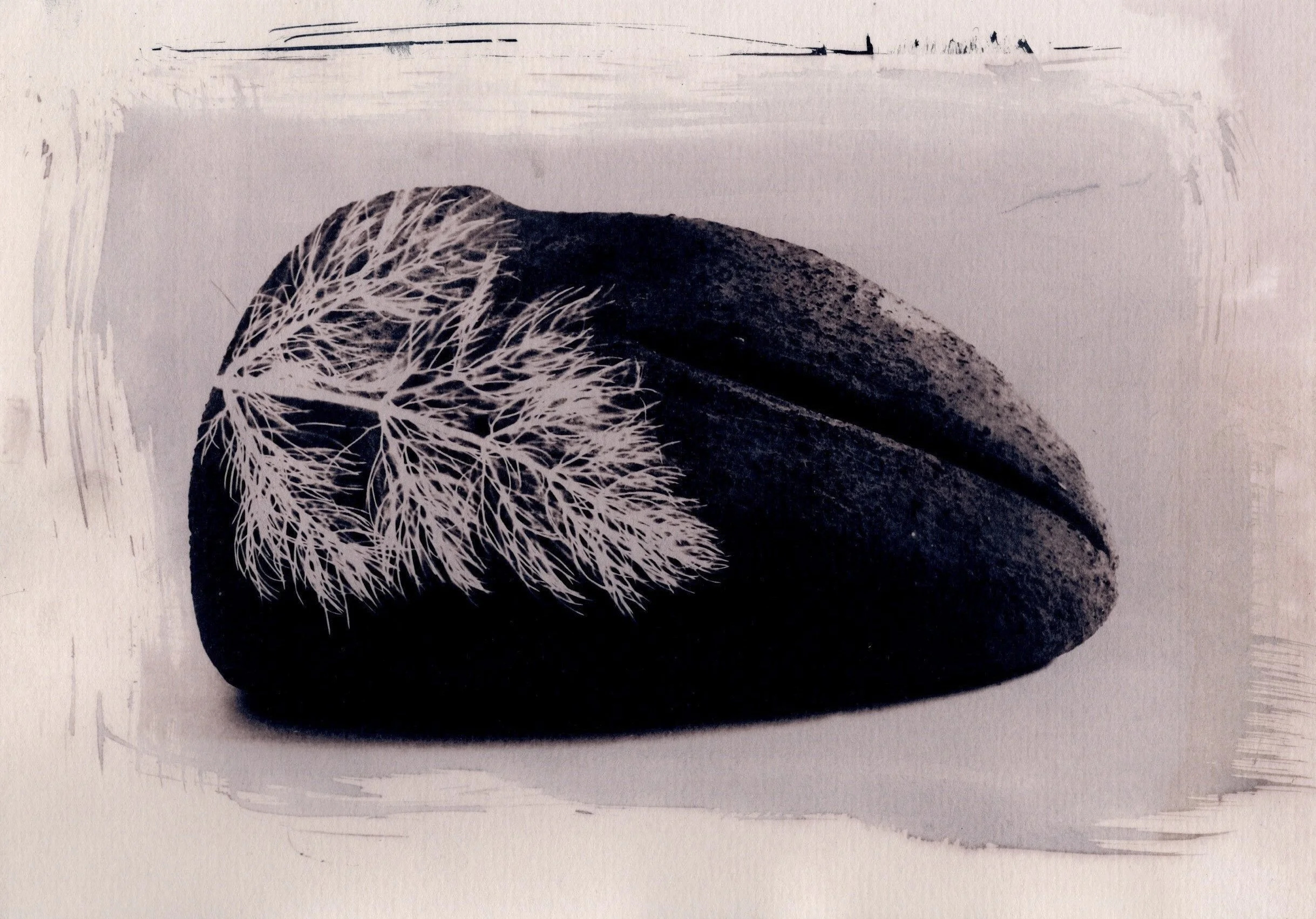
Toned cyanotype by Sarah-Jane
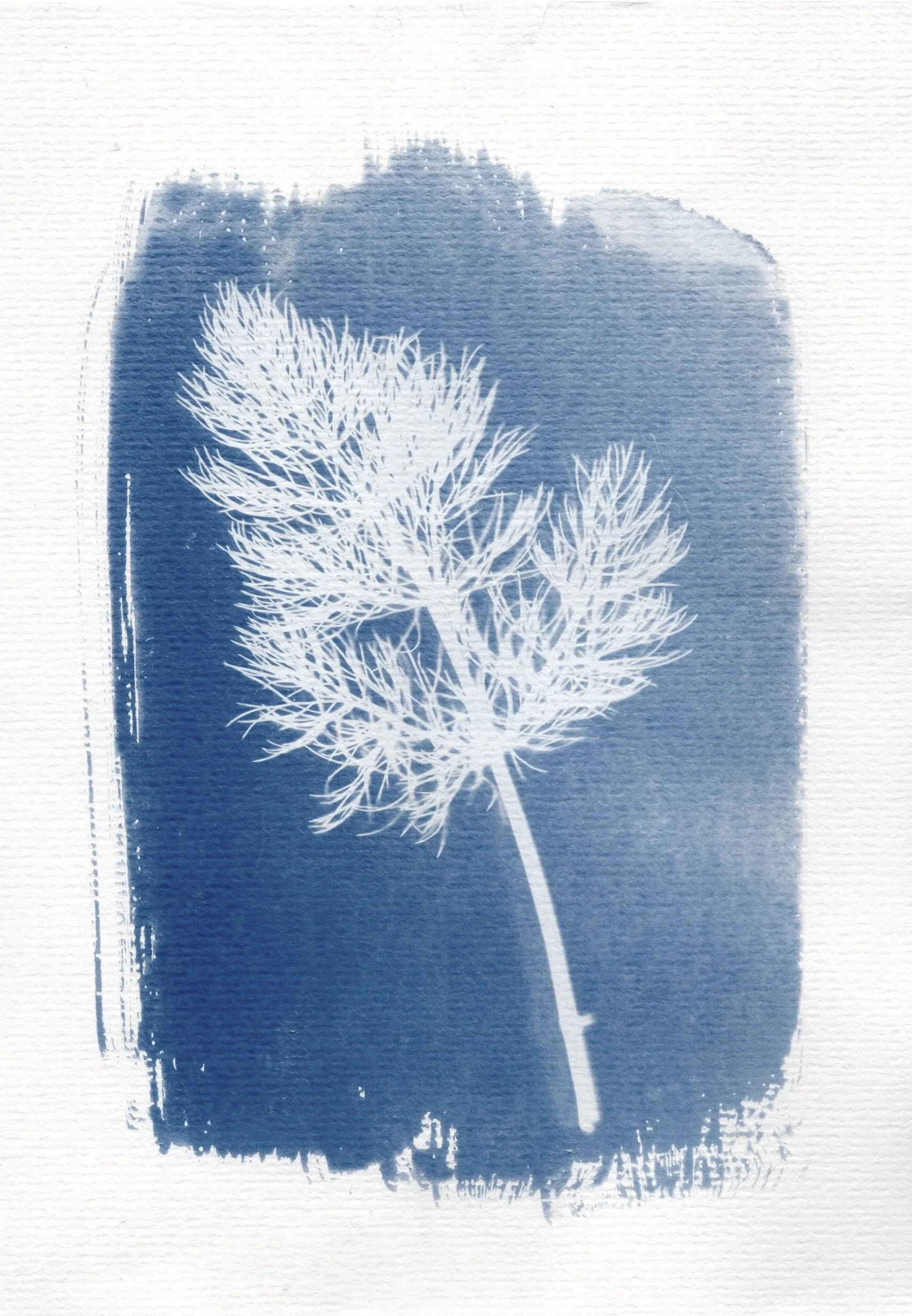
Cyanotype by Sarah-Jane
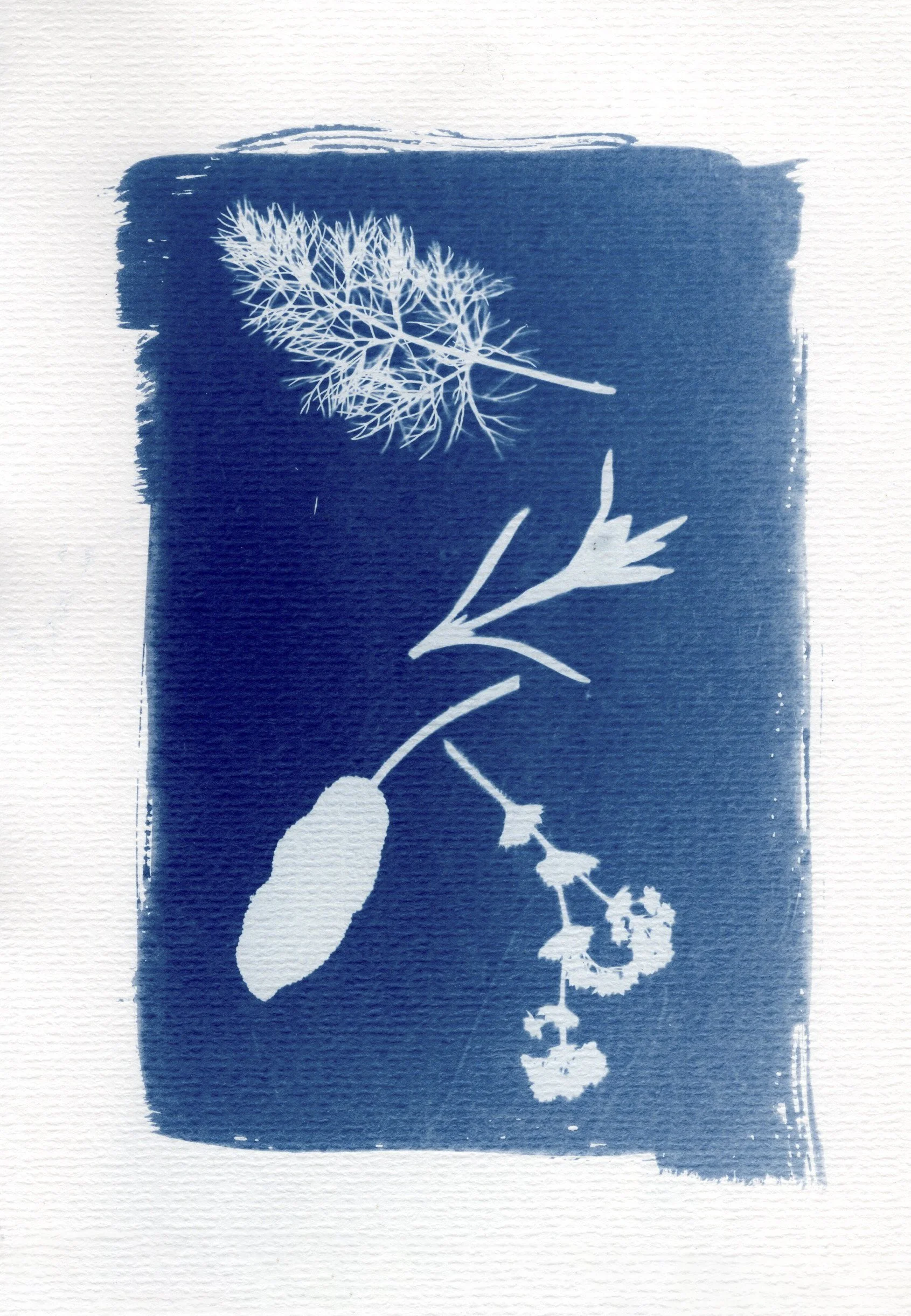
Cyanotype by Julia
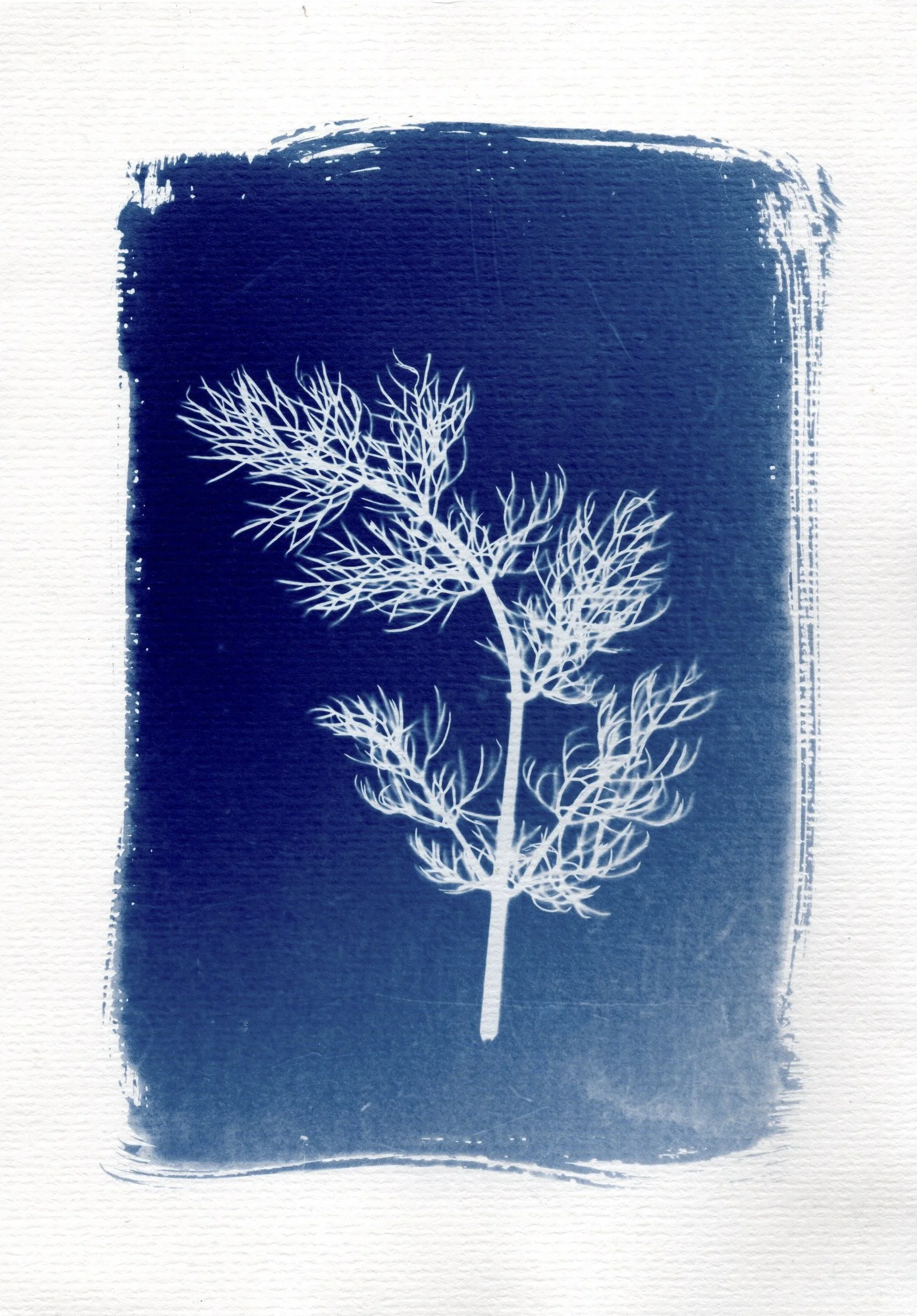
Cyanotype by Anastasia Hesketh
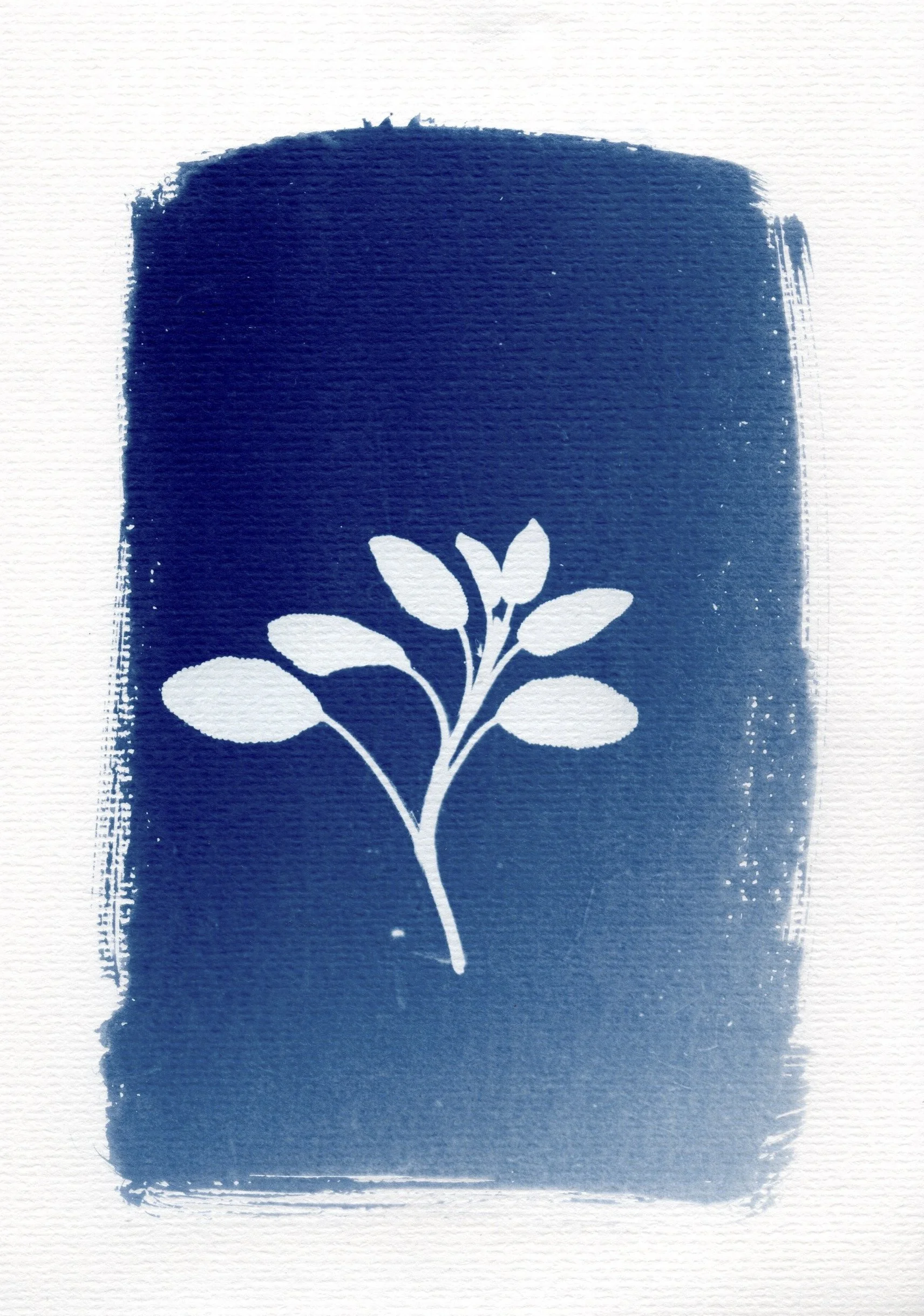
Cyanotype by Eris
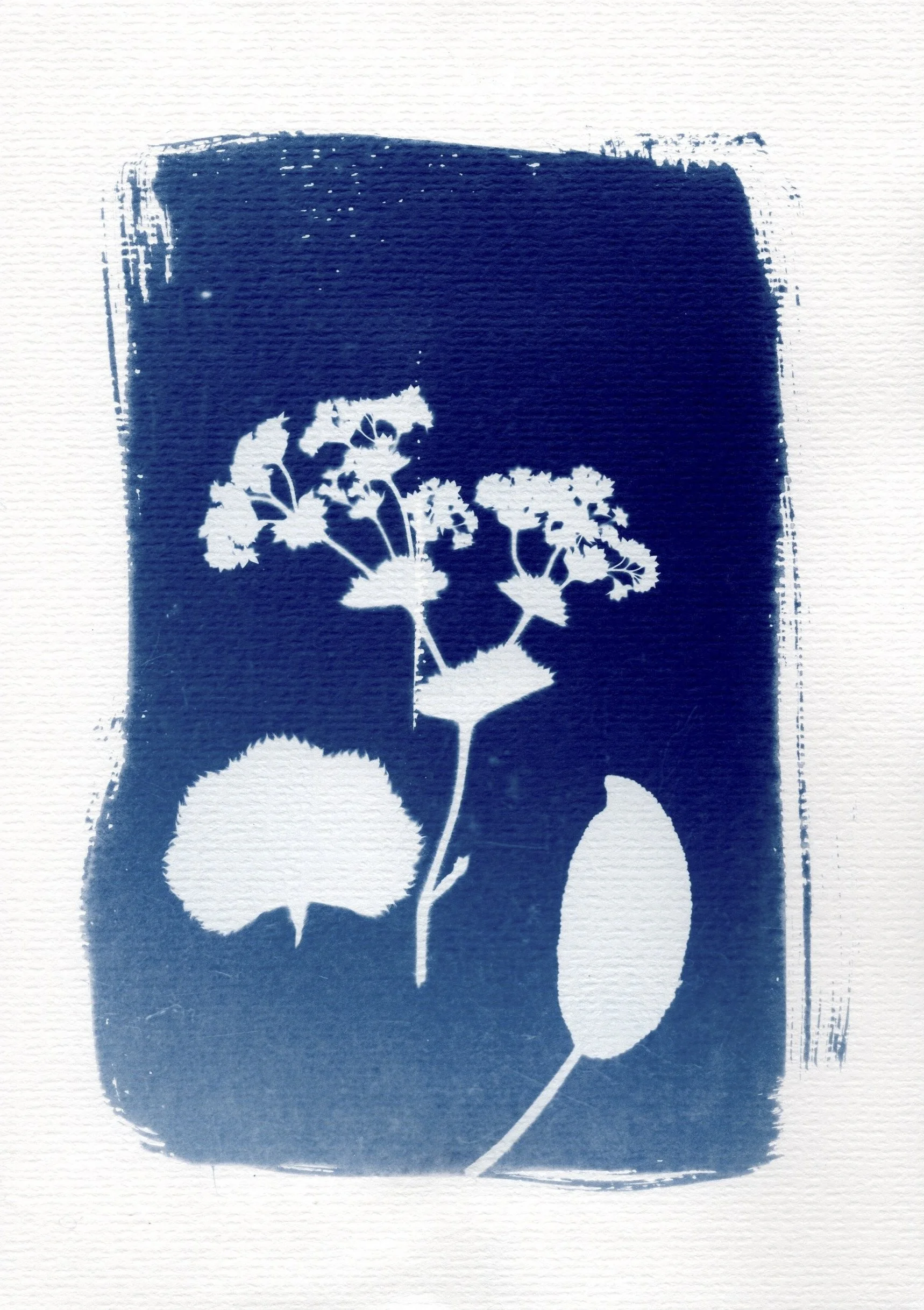
Cyanotype by Leona
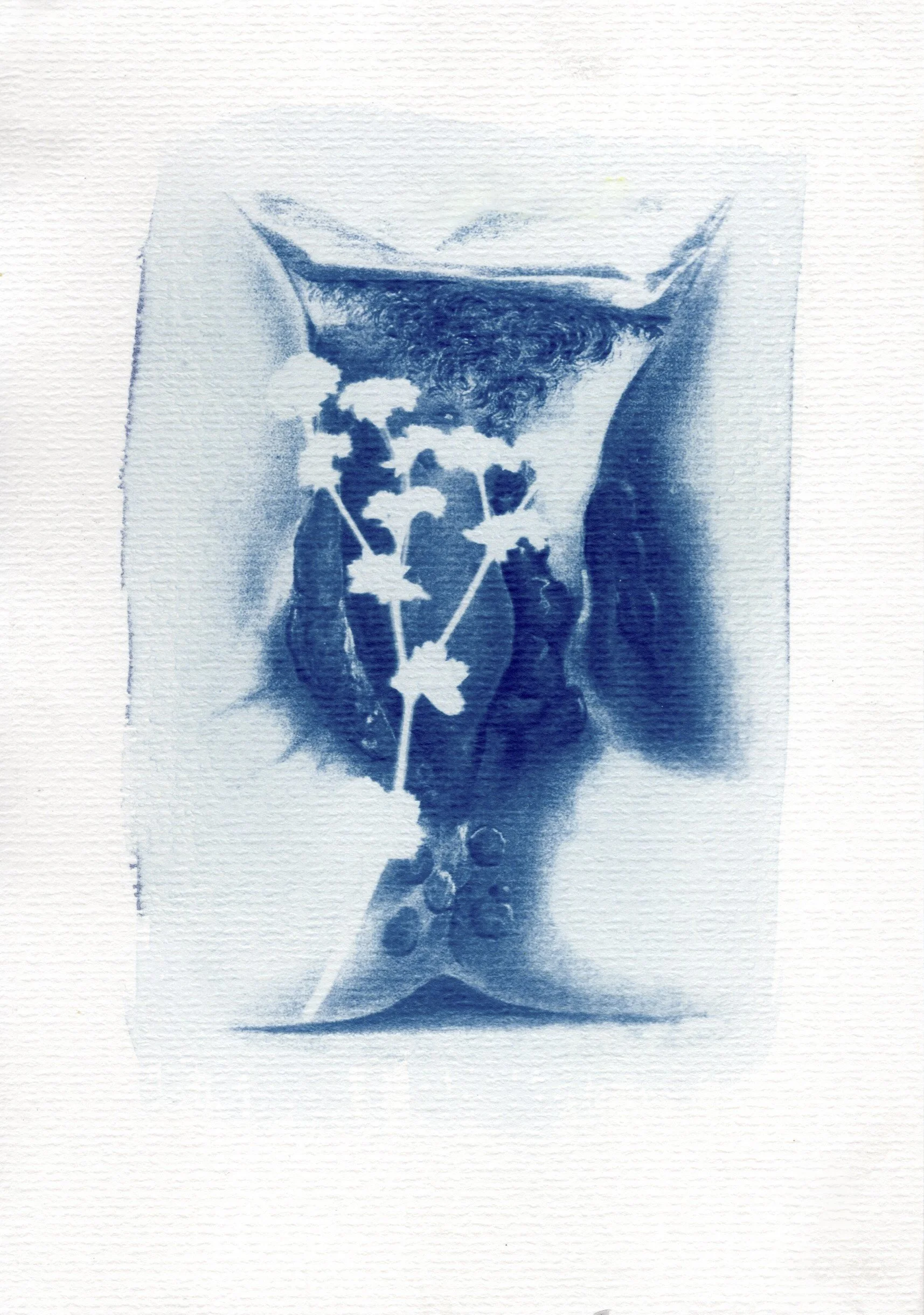
Cyanotype by Sarah Martin
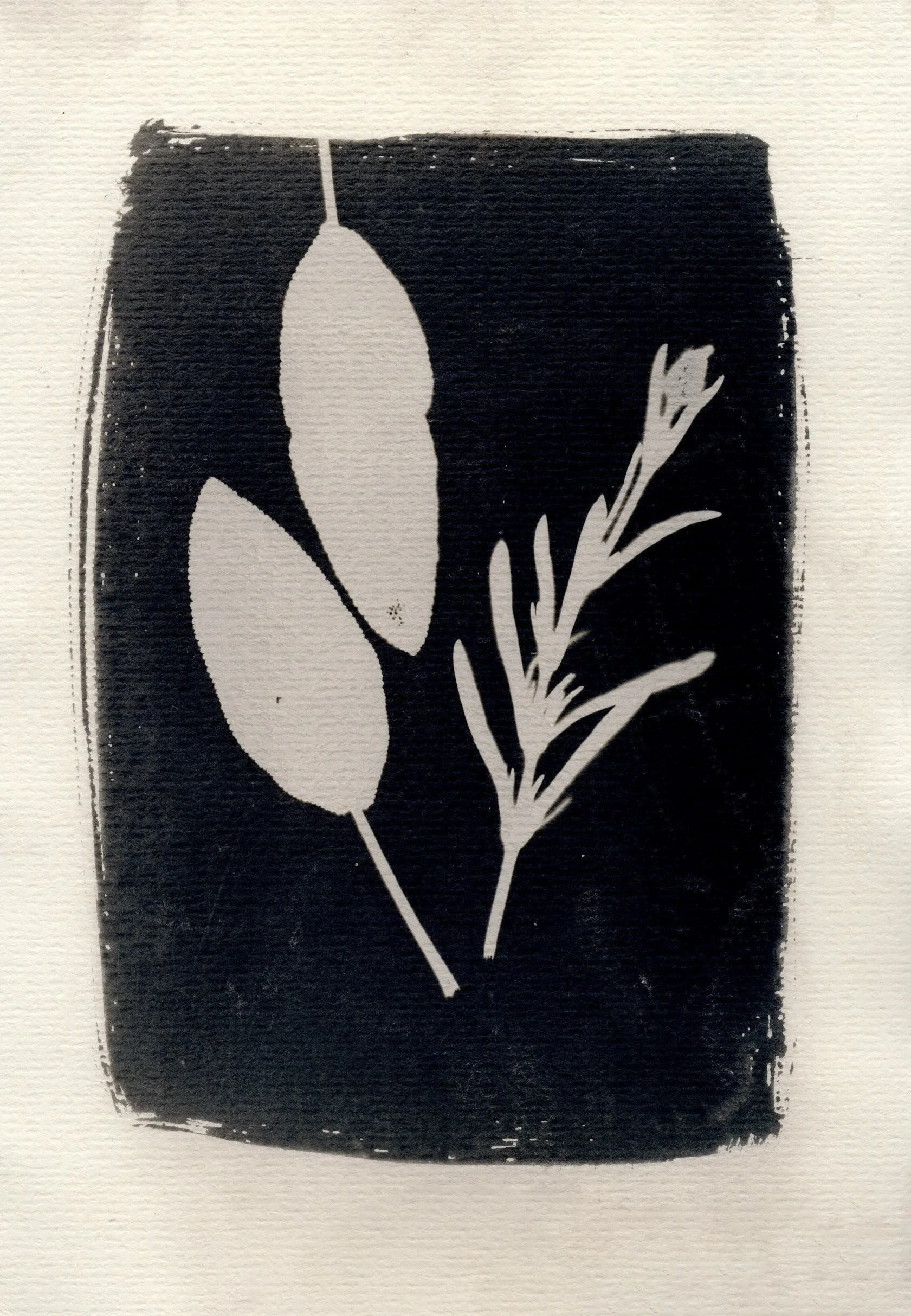
Toned cyanotype by Anna Sansom
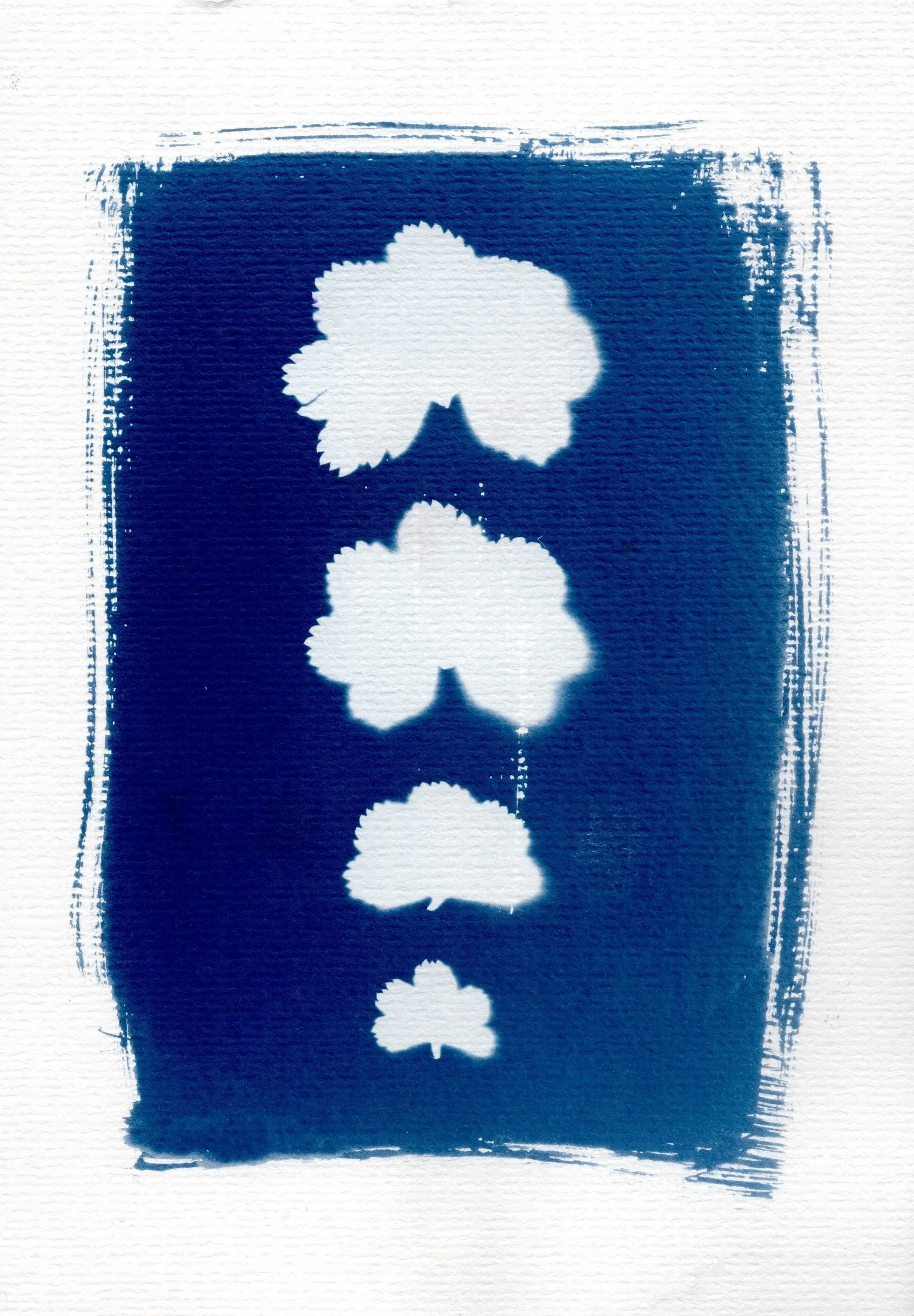
Cyanotype by Kate Hardy
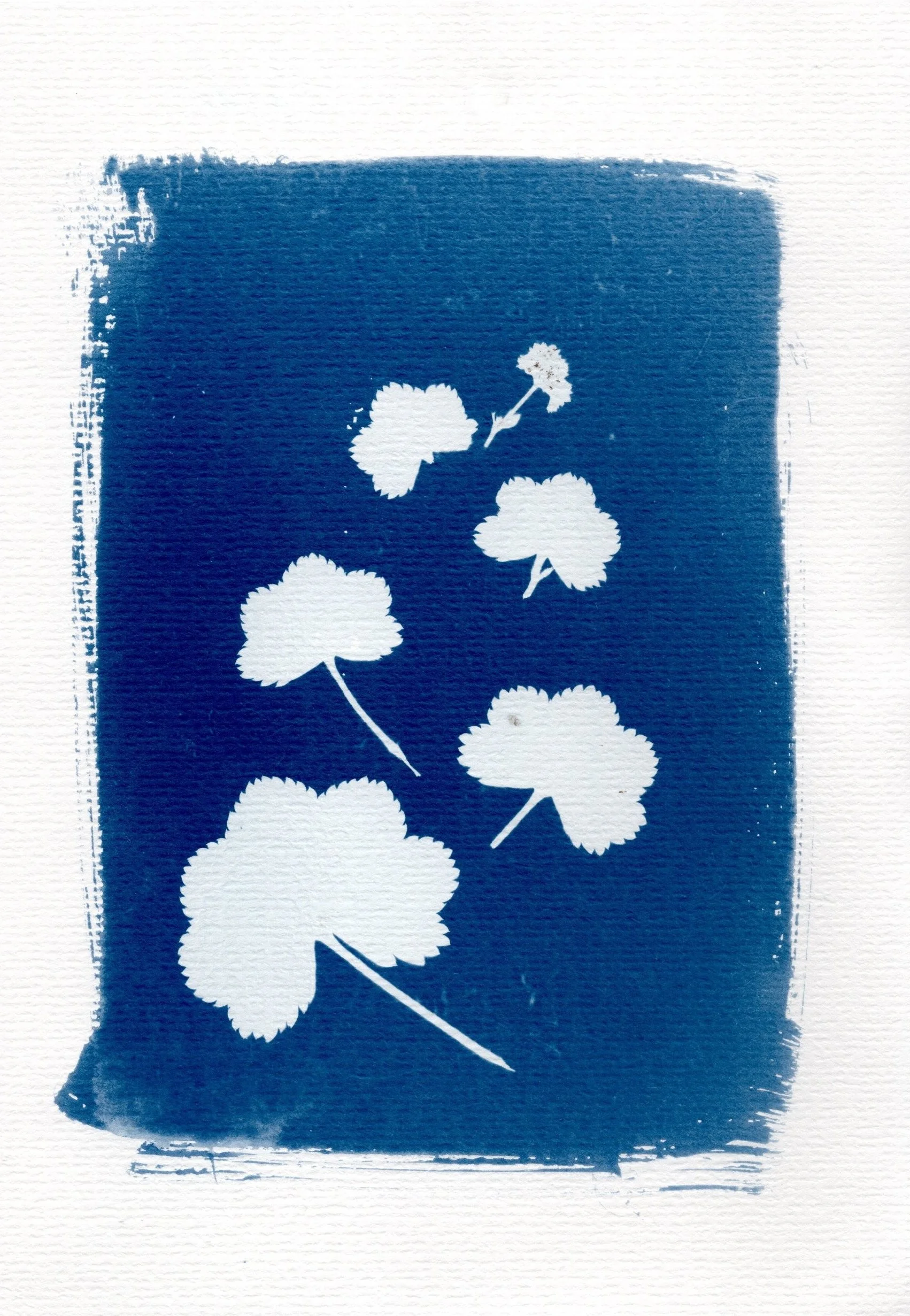
Cyanotype by Paula Dalziel
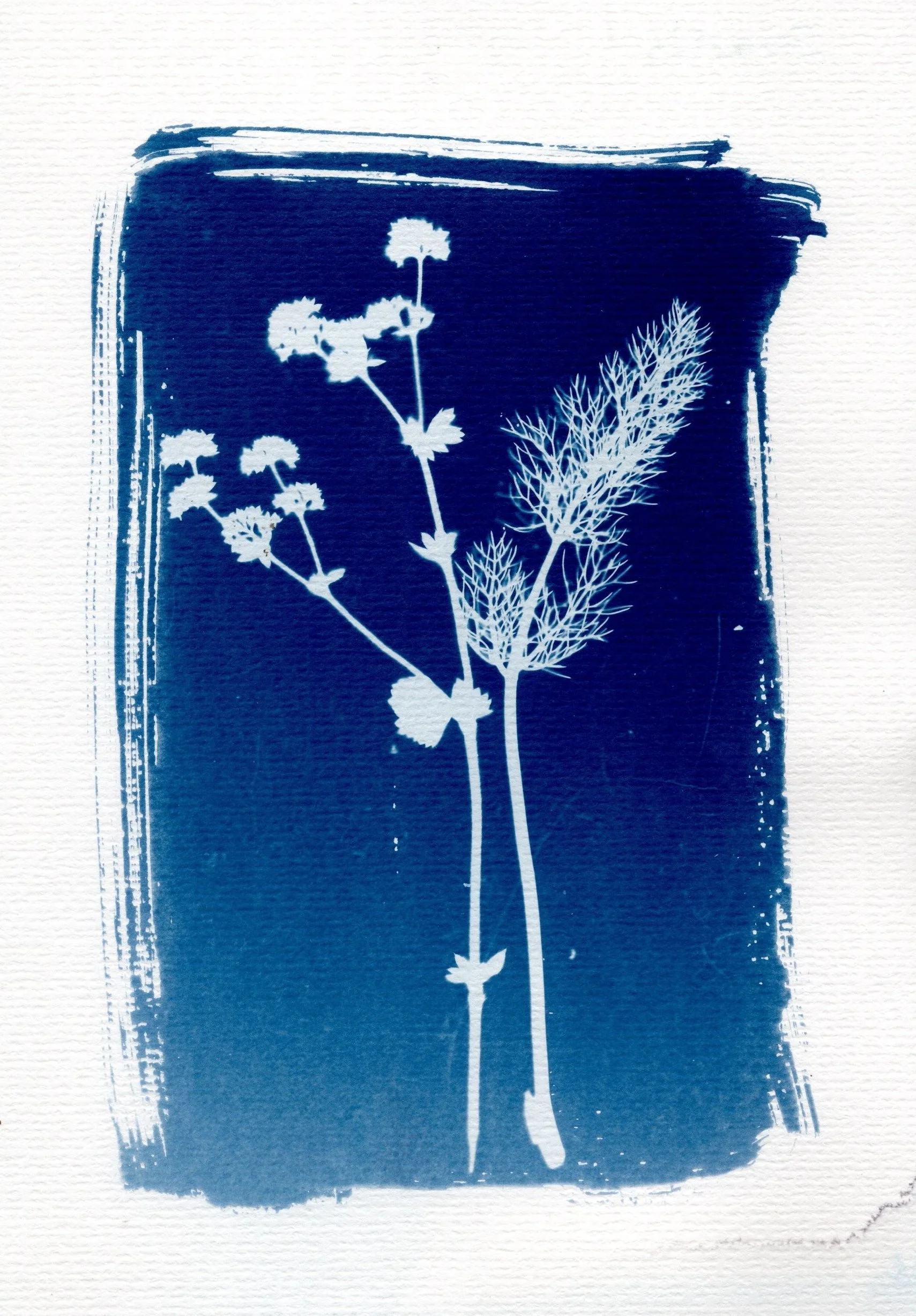
Cyanotype by Sarah Martin
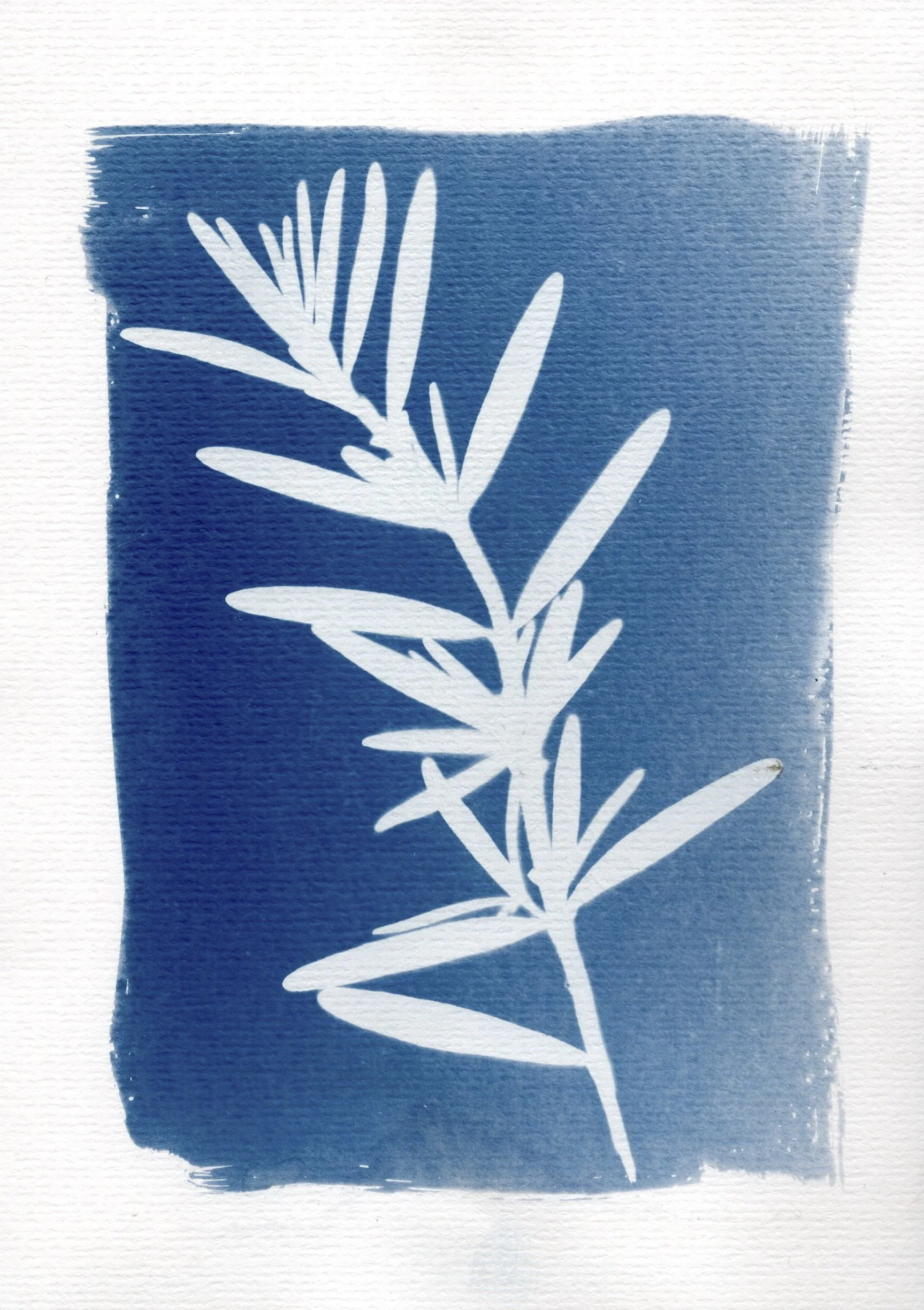
Cyanotype by Alex
![Unique cyanotype using original digital image: Considérations sur les hernies abdominales, sur les bandages herniaires rénixigrades et sur de nouveaux moyens de s'opposer à l'onanisme / [Guillaume Jalade-Lafond]. Wellcome Collection. Source: Wellcome](https://images.squarespace-cdn.com/content/v1/5d2f930e47f3c900016c0ae3/f97ce868-9725-493f-9ad2-a9788dcd4afd/testindividual+frame+export9.jpg)
Unique cyanotype using original digital image: Considérations sur les hernies abdominales, sur les bandages herniaires rénixigrades et sur de nouveaux moyens de s'opposer à l'onanisme / [Guillaume Jalade-Lafond]. Wellcome Collection. Source: Wellcome Collection.
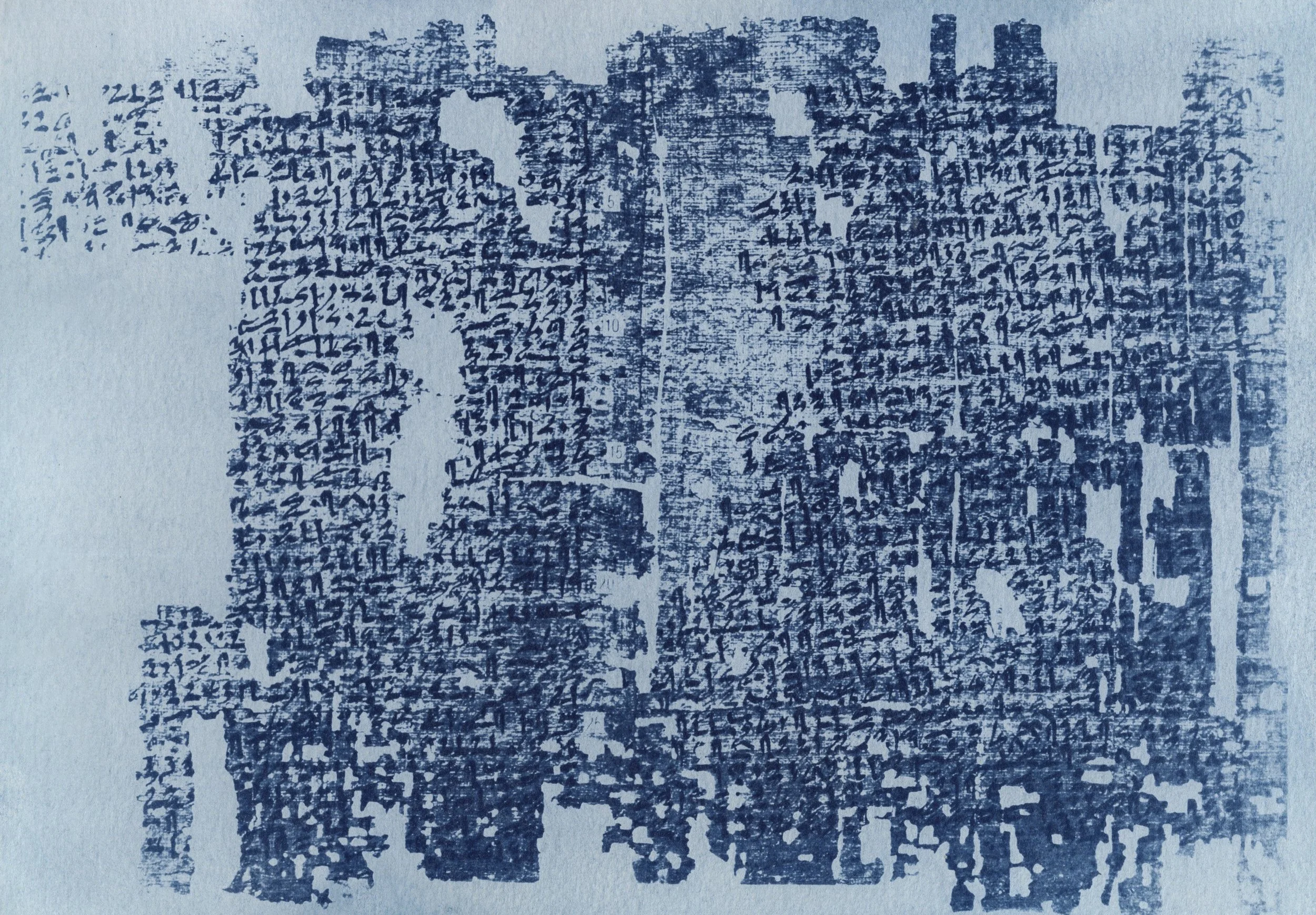
Unique cyanotype using original digital image reproduced with permission from Wellcome Collection: Reproduction of fragments of an Ancient Egyptian medical papyrus containing gynaecological instructions and prescriptions. M0008144: Medical Papyrus. Source: Wellcome Collection.
Cyanotype animation (sample) using original digital Wellcome Collection images: Marion Sims duck-billed obstetrics speculum; Obstetric speculum, Coxeter; Bronze vaginal speculum, three blades, Roman; Wellcome Collection.
120 individual hand printed cyanotype frames toned with two varieties of fresh sage then trad stop animated. Original footage: picking sage in the boiling heatwave midday sun to be used as the botanical toner. Inspired by the recipes in Elizabeth Bulkley’s book dated 1627 (MS 169). Source: Wellcome Collection.